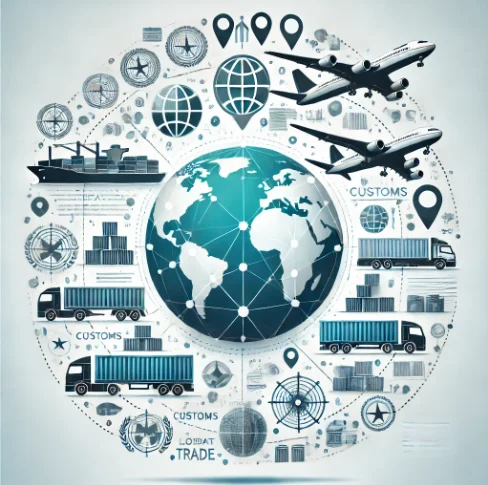
International trade is growing rapidly in a globalized world, making logistics processes more complex and competitive. Digital transformation plays a critical role in improving efficiency and customer satisfaction in international shipping. Integration solutions have a particularly important place in this transformation.
"Increasing competition and customer expectations have made digital transformation inevitable in international shipping. Integration solutions offer businesses major advantages in this transformation. For example, cloud technologies allow companies to store data securely and access it from different locations. API integrations accelerate data flow between systems and automate processes. This enables businesses to make faster, more accurate decisions while improving customer satisfaction."
Traditionally complex and bureaucratic, international shipping is changing rapidly through digital transformation. Growing competition, rising customer expectations and increasingly complex global trade are driving logistics companies toward more efficient, transparent and flexible solutions. Integration solutions play a critical role in digitalizing international shipping processes.
Challenges in International Shipping
International shipping involves many challenges, including customs procedures, different national regulations, long distances and multiple transport modes. These extend processes, increase costs and create a risk of errors.
Benefits of Integration Solutions
- Productivity Increase: Integration reduces manual work and errors while automating processes, saving time and resources.
- Cost Reduction: Greater efficiency indirectly reduces storage, staffing and other operating costs.
- Transparency and Control: Real-time tracking of all processes gives companies greater control over operations.
- Customer Satisfaction: Faster, more accurate deliveries, better customer service and more transparent processes improve customer satisfaction.
- Improved Decision-Making: Data-driven decision-making is becoming increasingly important. Integration solutions help analyze collected data so that decisions can be made more accurately and quickly.
Benefits of Digital Transformation
Digital transformation is a powerful tool for overcoming these challenges. Digital solutions provide:
- Productivity Increase: Automated processes that save time and money.
- Transparency: Trackable processes that enable real-time information sharing with customers.
- Fewer Errors: Reducing manual tasks lowers the error rate.
- Stronger Decision-Making: Data analysis supports more accurate decisions.
- Customer Satisfaction: Faster, smoother service improves customer satisfaction.
The Role of Integration Solutions
Integration solutions improve the effectiveness of digital transformation by enabling different systems to communicate. These solutions provide:;
- Management on a Single Platform: All stakeholders, including carriers, customs authorities and warehouses, can be managed through one platform.
- Data Flow: Data is shared automatically between systems, preventing information loss.
- Process Automation: Automating repetitive tasks allows employees to focus on more strategic work.
- Visibility: Real-time tracking of all processes enables potential problems to be detected early.
Key Components of Integration Solutions
- Cloud Technologies: Offers flexibility, scalability and cost advantages.
- API Integrations: Accelerates data flow by enabling communication between systems.
- Mobile Applications: Simplifies employees' work and improves efficiency.
- Data Analysis: Analyzes collected data to provide valuable business insights.
Examples of Integration Solutions
- Integrated Logistics Platforms: Solutions that manage all logistics processes, including different transport modes, customs procedures and warehousing, on one platform.
- Cloud-Based Solutions: Enables secure data storage and access from anywhere.
- Mobile Applications: Enables logistics operations to be managed from mobile devices.
- Artificial Intelligence and Machine Learning: Performs tasks such as data analysis, forecasting and optimization.
Integration Trends in the Industry
- Artificial Intelligence and Machine Learning: Used in areas such as predictive analytics, optimization and automation.
- Blockchain Technology: Makes logistics processes more reliable through secure, transparent data sharing.
- Internet of Things (IoT): Enables real-time data collection and tracking in logistics processes.
The Future of Integration Solutions in International Shipping
Integration solutions will become increasingly important in international shipping. Combined with artificial intelligence, machine learning and other advanced technologies, they will make logistics processes smarter, more autonomous and more sustainable.
At Evren Bilgisayar, we accompany customers on their digital transformation journeys with integrated solutions tailored to international shipping companies.