The Most Used Transportation Methods in International Logistics
The types of transportation used in international logistics are determined according to the nature of the goods, their cost, delivery time and geographical conditions. The most common methods include land, air, sea and rail transportation. While land transportation offers a practical and fast solution, especially between bordering countries; Maritime transportation stands out in the transportation of large volumes and heavy loads. Air transportation is unique in terms of speed, but due to its cost, it is generally preferred for valuable or perishable items. Rail transport offers a stable and safe alternative over long distances.
Each type of transportation has its own advantages and limitations. For example, although sea transportation provides a cost advantage, the delivery time is long. On the other hand, air transportation is fast but costly. When railway is integrated with land and sea transportation, it becomes more efficient thanks to multimodal transportation. Businesses consider cost, speed, security and product features when deciding which method to choose. For this reason, international logistics is mostly based on mixed models where different transportation methods are used together.
In Which Situations Is Land Transportation Preferred in International Logistics?
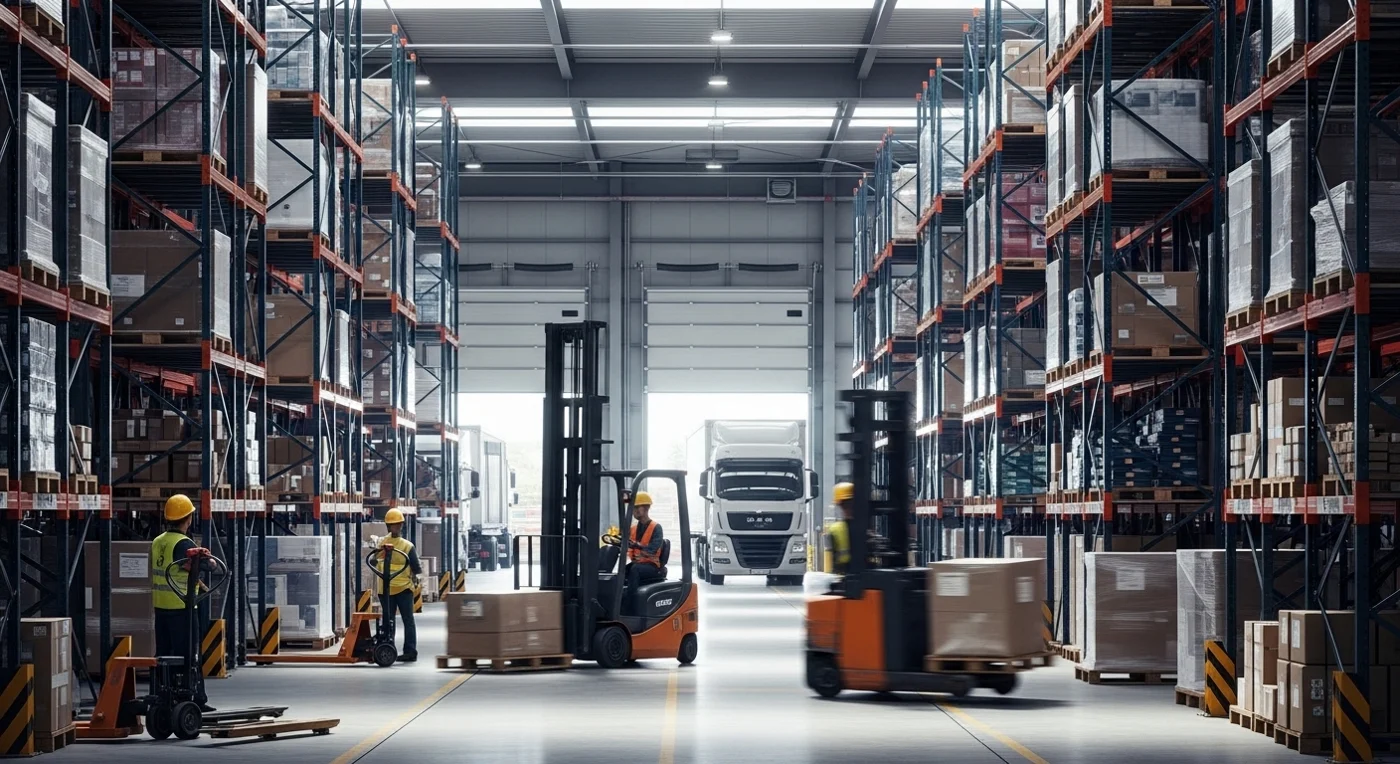
Land transportation is one of the most preferred methods, especially in short and medium distance international trade. In export and import transactions between border countries, transportation with vehicles such as trucks and trailers provides both cost advantages and flexibility. The possibility of door-to-door delivery is one of the most important factors that make land transportation attractive. In addition, offering a partial transportation option for small volume loads creates an economical solution especially for SMEs.
Another factor in choosing land transportation is that it provides flexibility in the logistics chain. The ability to change the route of the goods during the delivery process, the ability to adjust the loading capacity of the vehicles according to different needs and lower customs costs make this method advantageous. However, time may be lost over long distances and the quality of the road infrastructure is also of great importance. For this reason, land transportation generally stands out in geographically close markets, fast delivery expectations and the need for flexible operations.
What are the Advantages and Disadvantages of Air Transportation?
Air transportation is an unrivaled method in international logistics in terms of speed. It is the most suitable option for goods that need to be delivered urgently, such as perishable foods, medicines, electronic devices or high-value items. In addition, having a wide airport network on a global scale makes it possible to deliver products to long distances in a short time. Air transportation is also strong in terms of security; because airline companies apply strict control and security measures during the transportation of cargo.
On the other hand, the disadvantages of air transportation cannot be ignored. The most important disadvantage is that the costs are quite high. Air transportation is not an economical option, especially when transporting large volumes and heavy loads. Additionally, factors such as weather conditions, flight cancellations or airport capacity limitations may negatively affect the delivery process. Therefore, businesses prefer air transportation when speed is more important than cost.
Why is Sea Transportation the Most Preferred Method?
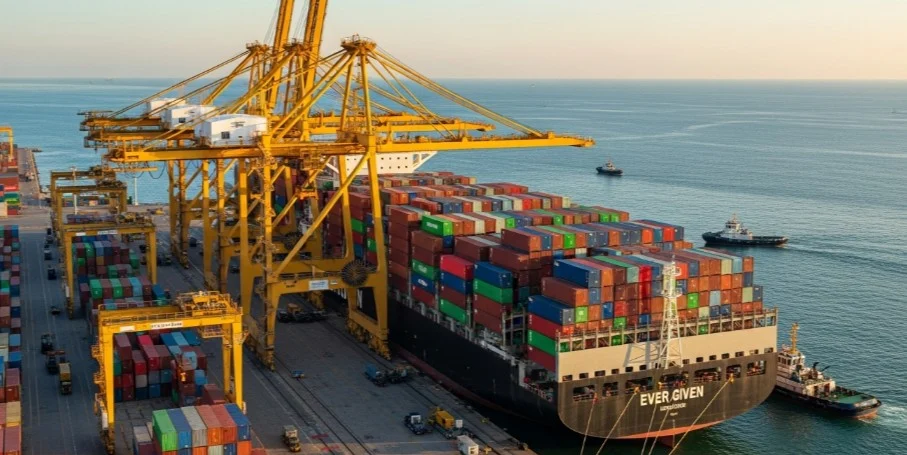
Sea transportation is the most common international logistics method, carrying approximately 80% of world trade. The most important reason for this is that maritime transportation can transport large volumes of cargo at low cost. With the widespread use of container transportation, it has become easier to transport different types of products in a safe and organized manner. In addition, sea transportation offers the most economical solution over long distances and is therefore preferred for heavy industrial products, raw materials and large batch commercial cargo.
However, delivery times of sea transportation are longer compared to other methods. However, in modern logistics management, this disadvantage is minimized thanks to planning and digital tracking systems. In addition, being environmentally friendly, that is, producing less carbon emissions per ton, is among the reasons why maritime transportation is preferred. Low cost, high capacity and sustainability factors have made maritime transportation the most used method in global trade.
How is Rail Transport Used in International Trade?
Rail transportation offers a safe, fixed-cost and environmentally friendly method, especially as an alternative to land and sea transportation. With the development of railway networks in Europe, Asia and the Middle East, its importance in international trade is increasing. Providing an efficient solution for transporting heavy loads over long distances, railway is lower cost and less risky than land transportation. In addition, the effect of weather conditions on rail transportation is more limited, which makes deliveries more predictable.
However, rail transportation is often supported by intermodal transportation. In other words, after the products are transported to the main centers by trains, they are delivered to their final destinations by land or sea vehicles. This integration helps speed up logistics processes and optimize costs. Rail transport plays an important role in large trade networks, especially in the "Belt and Road Project" extending from Europe to China. In this respect, railway transportation will find a greater place in the logistics strategies of the future in terms of both cost and sustainability.