What Does Consignment Stock Mean in Logistics?
Consignment stock in logistics is a stock model where products are physically kept in the stock area of the customer, dealer, distributor or another designated business while ownership remains with the supplier. Products are generally considered the property of the supplier until they are used, sold or consumed. This structure can be preferred especially for businesses that need regular products but do not want to bear the inventory costs directly. The consignment stock model, when not tracked correctly, can become complicated due to the separation of physical stock and business ownership information.
The basis of the question of what is consignment stock is the difference between where the product is located and who it belongs to. The product may be in the customer's warehouse but may not yet be in the customer's possession. Stock movement can become a commercial transaction when sale, use or other specified condition is met. For this reason, the consignment stock system requires a different recording logic than classical stock management.
The question of what is a consignment product is also evaluated within this structure. A consignment product is a product that has been physically sent to the buyer or point of sale, but the transfer of ownership has not yet occurred. The stock amount of such products, their location, usage status and when they will be invoiced to the customer should be regularly monitored. Otherwise, it may be unclear which product is actually sold, which still belongs to the supplier, and which quantity is waiting in stock.
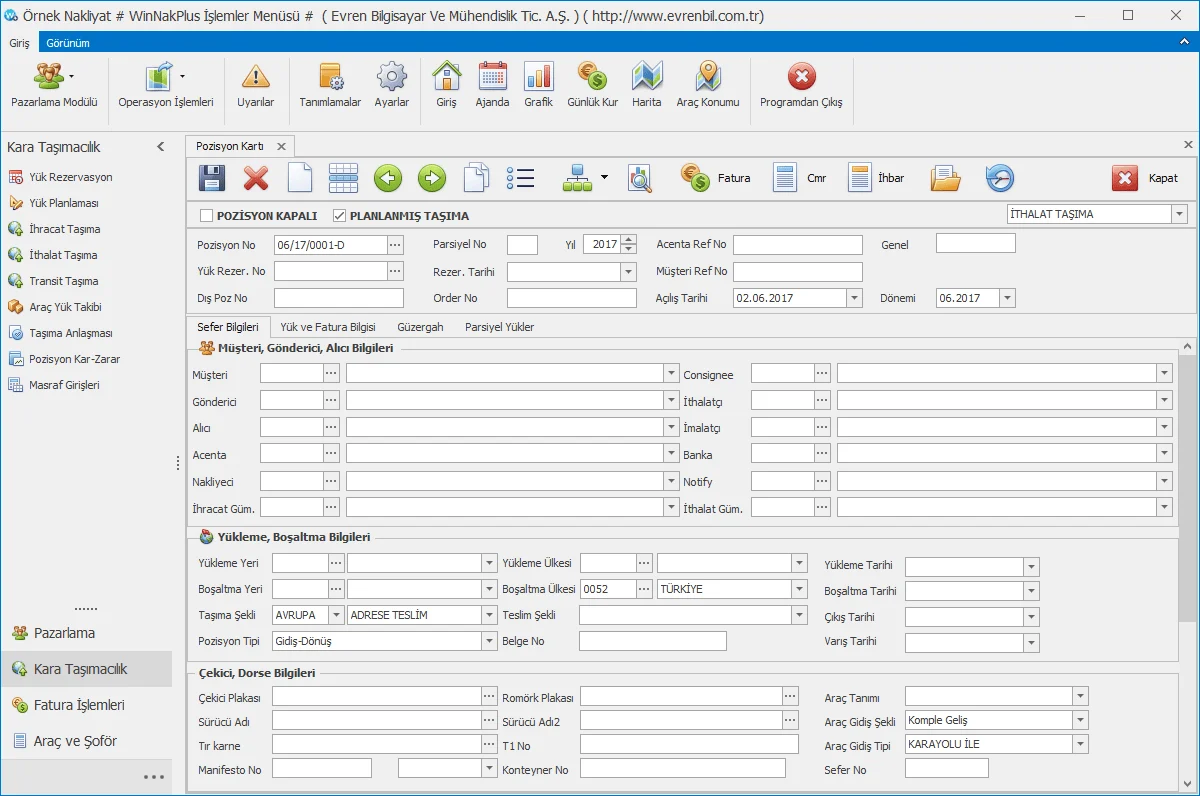
When consignment stock management is done throughlogistics software, physical location and stock ownership can be tracked in separate areas. Thus, while the product is visible in the customer's warehouse, it can also be recorded which business it belongs to. This distinction is especially important for businesses that keep consignment stock for more than one customer or point of sale.

How Does the Consignment Stock System Work?
The consignment stock system usually starts with the supplier sending the products in a specified amount to the stock area of the customer or point of sale. At this stage, physical product movement occurs, but business ownership may not change immediately. Entering the products into the system as consignment allows them to be tracked separately from normal sales stocks.
When the products reach the consignment point, the received quantity should be checked. Fields such as product code, quantity, serial number, batch information or, if necessary, expiration date can be recorded. This way, it can be verified whether the amount sent and the amount accepted are the same.
In consignment stock, the product can be physically located in the customer's usage area. The customer can withdraw the product he needs from stock, use or sell it. When this transaction occurs, the relevant amount is deducted from the consignment stock and the necessary record for the commercial transaction is created. Therefore, it is important to transfer usage or sales information to the system in a timely manner.
In the consignment system, new product shipments can be planned when the stock level falls below certain thresholds. This structure ensures supply continuity, especially for regularly consumed products. However, the resupply amount must be determined correctly. Sending more products than necessary may tie up the supplier's capital in stock, while a low quantity may cause product shortage for the customer.
The counting process is also important in the consignment stock system. Physical stock and the amount appearing in the system should be compared at regular intervals. Products that are used but not recorded in the system, incorrect records or losses may cause stock differences. Regular counting allows these differences to be noticed early.
The return process is also one of the important parts of the model. Products that are unused, out of season, damaged or that need to be taken back according to the contract can be returned to the supplier. During the return, the product quantity and condition should be checked and the consignment stock record should be updated.
How to Manage Product Ownership and Stock Responsibility in Consignment Stock?
One of the most critical issues in consignment stock management is the correct definition of product ownership. Even if the product is physically located in the customer's warehouse, commercial ownership may remain with the supplier. For this reason, location information and ownership information must be kept separate from each other in the system. Tracking physical location and commercial ownership in a single field may lead to registration confusion.
In terms of stock ownership, it should be clearly determined which event triggers the transfer of ownership. This event may be the sale of the product, its use in production, the customer withdrawing the product, or another transaction defined in the contract. When ownership transfer occurs, the relevant product should be removed from the consignment stock and converted into a normal sale or use record.
Stock responsibility is about protecting, counting and storing the physical product in appropriate conditions. Even if the product belongs to the supplier, the customer may be responsible for physical protection while it is in the customer's warehouse. This situation must be clearly defined in the contract and operational processes.
Damage and loss situations are also important in terms of stock liability. If the consignment product is damaged while in the customer's warehouse, it should be determined in advance which party is responsible. Records, photographs or census results showing when and under what conditions the damage occurred may facilitate the evaluation of disputes.
When tracking consignment stock, products should not be mixed with normal customer stocks. It is possible to have the same product code in both purchased stock and consignment stock. Therefore, stock status must be clearly visible. Otherwise, the consignment product may be mistakenly used as normal stock or errors may occur in the invoicing processes.
It should also be clarified which side has the responsibility for counting. The supplier may perform physical counts at regular intervals, customer may share count data, or the two parties may perform joint checks. Counting frequency can be determined according to product value, consumption rate and stock mobility.
When product ownership changes, it is useful to create a record with time and user information. Thus, the date by which a particular product was consigned and when it was transferred to the customer's stock can be tracked later. These records are especially important in reconciliation and invoicing processes.

What are the advantages of using consignment stock for businesses?
One of the most important advantages of the consignment stock model for the customer is that although the products are physically available, the stock cost does not occur immediately. The business can quickly access the product it needs, but the financial burden may remain on the supplier to a certain extent until the product is used or sold. This can support cash flow, especially for high-value or regularly used products.
Having the products close to the customer can also shorten the supply time. When an urgent need arises, a new order is not expected to come from the supplier. Since the product is already available at the designated location, use or sale can occur faster. This can provide a significant advantage in terms of operational continuity.
From the supplier's perspective, consignment stock can help establish a closer supply relationship with the customer. The actual consumption amount of the customer, which products he uses more frequently and in which periods the stock need increases can be seen more clearly. This data can be used to develop subsequent shipments and production plans.
Consignment stock system can increase stock availability. Out-of-stock situations can be reduced because the product is available at the customer's location before demand arises. However, this advantage is only achieved by keeping the right products on consignment in the right quantities. Incorrect demand forecasting may lead to excess stock.
Using consignment products at points of sale can increase product diversity. The dealer or retail location can carry a wider range of products without having to purchase all the products in advance. The ability to return unsold products under certain conditions can reduce stock risk.
For the supplier, the distribution of products to different customer locations creates the need for additional tracking. In order to maintain the advantage, it must be clearly visible which customer has how much stock. When consignment stock is not managed well, a large amount of the supplier's capital can sit uncontrolled at different points.
The model can also enable stock replenishment processes to be carried out in a more planned manner. When minimum stock levels are defined based on actual consumption data, new products can be shipped before the need arises. In this way, the risk of stock shortage on the customer side is reduced and the shipment of more products than necessary can be prevented.
What are the Points to Consider in Consignment Stock Tracking?
The first thing to pay attention to in consignment stock tracking is to clearly define the stock status. It should be clearly visible through the system which products are on consignment, which customer's location they are located in, and who has commercial ownership. Confusion of consignment and normal stock records may create errors in both stock and finance processes.
For consignment stock management, product movements must be recorded in a timely manner. If the product is used or sold but still appears as consignment in the system, the actual stock amount is incorrect. For this reason, it is important that transactions such as consumption, sales, returns and transfers are recorded as much as possible at the moment the transaction occurs.
Physical counting and system stock need to be compared regularly. Registration differences may occur over time, especially in consignment areas with high transaction volume. Count differences may result from product loss, misuse, incomplete data entry, or system error. The difference must not only be corrected, but also its cause must be investigated.
Minimum and maximum stock levels must be defined correctly. A minimum stock level that is too low may leave the customer without a product. Too high a maximum level may create unnecessary product accumulation. These limits should be determined by taking into account past consumption, lead time and demand fluctuations.
When managing consignment goods, the age of the stock should also be taken into consideration. Products that have not been used for a long time may create idle stock for the supplier. Stock age should be monitored separately, especially for products that are affected by factors such as expiration date, season or technological up-to-dateness.
Alignment between invoicing and stock movement is also critical. When the product is used by the customer, if the stock record is updated but a commercial transaction is not created, a reconciliation difference may occur. Similarly, if the invoiced product still appears in consignment stock, it may indicate incorrect stock values. Therefore, commercial and physical movements must support each other.
Regular reconciliation between customer and supplier strengthens the accuracy of records. Consignment stock amount, used products, returns and pending records can be compared in certain periods. Thus, small differences can be prevented from growing over time.
Access and responsibility powers should also be clear in consignment stock tracking. It can be determined which user can create stock transactions, who will approve the counting result, and which changes require administrator approval. This structure reduces uncontrolled registry changes.
When the consignment stock model is managed correctly, it facilitates product access on the customer side and provides the opportunity to monitor actual consumption more closely on the supplier side. However, in order for this structure to be sustainable, stock ownership, physical quantity, product movements and commercial records must be followed in harmony with each other.