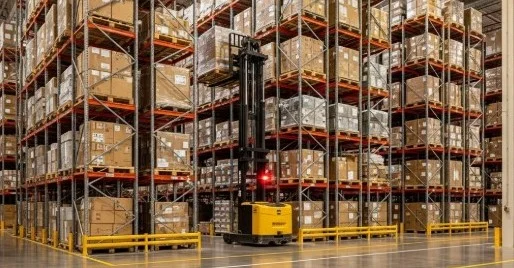
What Does Stacking Mean in Logistics?
Stowage in logistics is the process of placing products in storage areas in an orderly, safe and efficient manner. In this process, the physical properties of the products, their weight, packaging types and ease of transportation are taken into account. The aim is to maintain product safety while using warehouse space with maximum efficiency. Stacking is not just arranging products on top of each other; It also means planning the material flow, ease of access and minimizing the risk of damage.
In modern businesses, the stacking process is no longer planned only by manual methods, but digitally with the support of logistics software. These software analyze stock density, provide shelf optimization and automatically guide the placement of products in the right positions. Thus, both warehouse capacity is increased and operational errors are minimized.
Why is Stacking Important in Logistics?
Stacking plays a critical role in logistics processes in terms of efficiency, safety and cost control. Correct stacking techniques reduce product damage, make work areas more organized and provide personnel with quick access to products. This both shortens the order preparation time and contributes to timely shipments.
In addition, an effective stacking strategy enables optimum use of warehouse space. Since a significant portion of warehouse costs are directly proportional to the space used, stacking planning creates a direct cost advantage. Therefore, stacking is not just a physical arrangement process; It is a management tool that directly affects business profitability and operational efficiency.
What are the Stacking Rules?
Stowage rules consist of basic principles determined to ensure product safety and maintain warehouse order. First of all, heavy products should be placed at the bottom and light products should be placed on top. Packaging integrity must be maintained, transportation directions of the products must be taken into account and stack height must not exceed certain limits. Additionally, product labels should be visible and emergency exit routes should be kept away from stacking areas.
National and international standards should also be taken into consideration in stacking operations. Particularly in warehouses containing chemicals, food or fragile products, certain temperature, humidity and pressure criteria must be observed. Paying attention to these rules ensures occupational safety and helps the business fulfill its legal obligations.
Which Products Require Special Stacking Methods?
Some product groups require special stacking methods due to their physical properties or sensitivity. For example, breakable materials such as glass, porcelain, electronics or medical products should be stored on soft-surface shelves that protect against vibration and shock. For food products, cold chain conditions must be maintained and stacking gaps must not obstruct air flow.
Stacking distances for hazardous materials or flammable products should be determined according to safety instructions. These products should be stored isolated from each other and emergency access should not be blocked. Choosing the correct stacking method is of great importance not only in terms of product safety, but also in terms of operational continuity and legal compliance.