Key Differences Between Transportation and Logistics
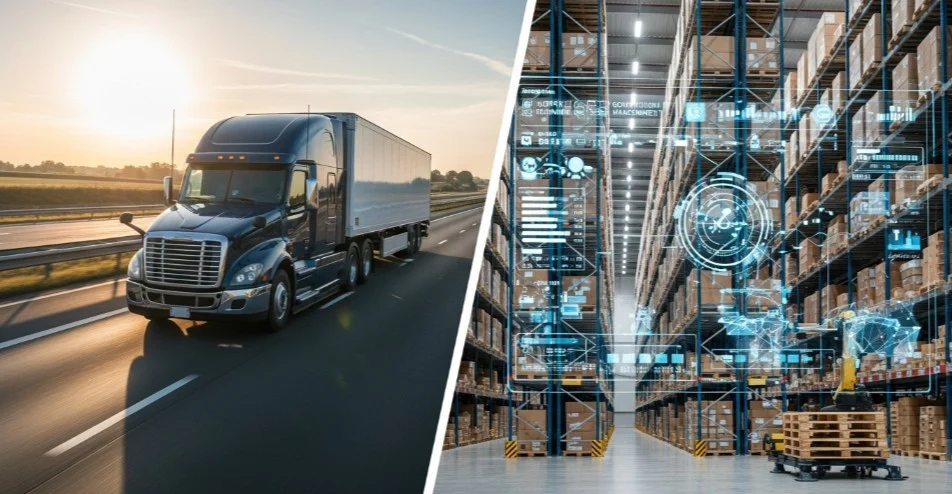
Although the concepts of transportation and logistics are often confused with each other, they actually refer to different processes. Transportation covers the process of delivering products from one point to another in a safe and timely manner. In this process, vehicle selection, route determination, delivery planning and transportation safety are at the forefront. The main purpose of transportation is to deliver the product to its destination at the most affordable cost and in the shortest time. For this reason, transportation is considered a sub-component of logistics with a narrower scope.
Logistics, on the other hand, refers to a much broader process that includes transportation. Logistics; It controls the entire flow from product procurement to storage, from stock tracking to order management, from distribution to return processes. So logistics is not just transportation; It focuses on planning, coordination, information management and customer satisfaction. In this respect, while logistics is a strategic management area that increases the efficiency of businesses, transportation is only a part of the logistics process.
Scope of Transportation and Logistics
Transportation is one of the most basic elements of trade and ensures the delivery of products from the point of production to the consumer. In this context, different transportation modes such as road, sea, air and railway are used. Transportation activities depend on criteria such as cargo safety, delivery time, fuel costs and vehicle capacity. Therefore, transportation focuses more on operational processes and performs a single function: the physical movement of cargo.
Logistics, on the other hand, covers a much wider range of areas such as supply, storage, stock management, order processing and distribution, including transportation. For example, every step of a product, from the procurement of raw materials to its delivery to the end user, is within the scope of logistics. The software, automation systems, warehouse management and customer services used in this process are also part of logistics. Therefore, logistics represents a more strategic and holistic approach that plays a key role in providing businesses with a competitive advantage.
Differences in Storage and Inventory Management
Storage and stock management generally do not play a primary role in transportation operations. Because the purpose of transportation is to deliver the product from one point to another. Transportation companies mostly undertake the transportation process; storing products or managing stock levels is not their responsibility. Therefore, transportation focuses on short-term operations and the transportation itself.
On the contrary, logistics is at the center of storage and stock management. Warehouse management ensures that products are stored, organized and quickly accessed in appropriate conditions. Inventory management helps businesses control their costs by preventing excess or shortage of products. By using advanced software and automation systems in logistics processes, stock movements are monitored instantly and storage strategies are optimized. Thus, logistics ensures not only transportation but also the availability of the product in the right quantity, at the right place and at the right time at every stage.
Distinction of Transportation and Logistics in Cost Management
Cost management in transportation generally focuses on items such as fuel expenses, vehicle maintenance costs, driver wages and route planning. In order to reduce transportation costs, it is important to use vehicle capacities efficiently, route optimization and timely deliveries. Since transportation costs directly depend on transportation operations, cost optimization can be achieved with short-term solutions.
Logistics cost management goes far beyond transportation. Costs are calculated in many areas such as storage, stock management, supply processes, information technologies, packaging, returns and customer services. The aim of logistics is to minimize not only transportation costs but also expenses incurred throughout the entire supply chain. Therefore, logistics cost management requires strategic planning and is generally focused on long-term efficiency. An effective logistics management offers businesses the advantage of both reducing operational costs and increasing customer satisfaction.