E-ledger is a system that allows businesses to keep their financial data electronically. Correct and regular use of this system is of great importance for businesses to fulfill their tax obligations and monitor their financial situations.
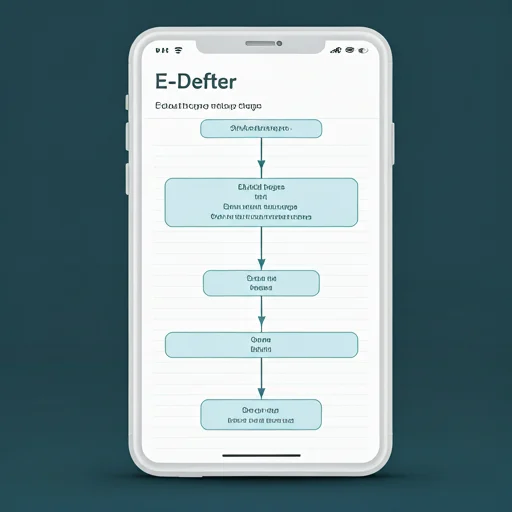
E-ledger editing steps can be generally listed as follows:
Registration to the E-Ledger System:
- An e-invoice provider authorized by the Revenue Administration (GİB) is selected.
- The information of the business (tax number, title, etc.) is entered into the system of the selected provider.
Transfer of Accounting Data:
- Data in the accounting software of the business (current accounts, cash-bank transactions, invoices, etc.) are transferred to the e-ledger system.
- This transfer can usually be done automatically or manually.
Creating an E-Ledger:
- The e-ledger system automatically creates ledgers such as journals and ledgers by processing the transferred data.
- The business can review and control these books thanks to the reporting tools on the system.
Signature and Sending of the E-Ledger:
- The created e-ledger is signed with an electronic signature and sent to the Revenue Administration.
- The signing process is usually done automatically by the e-invoice provider.
IOP Approval:
- GIB checks and approves the sent e-ledger.
- The approved e-ledger is stored in the records of the business.
Things to Consider When Editing an E-Ledger:
- Correct Data Entry: It is important to enter accounting data accurately and completely.
- Regular Control: The created e-books should be checked regularly and incorrect records should be corrected.
- Following Legal Legislation: Legal regulations regarding e-ledgers may change constantly. Therefore, it is important for businesses to follow these regulations.
- Security: The security of e-ledger systems must be ensured and precautions must be taken against unauthorized access.
Advantages of E-Ledger:
- Speed and Efficiency: Since manual operations are eliminated, processes are accelerated and efficiency increases.
- Accuracy: Data entry errors are minimized, thus more accurate and reliable information is obtained.
- Transparency: All transactions are recorded electronically, thus ensuring transparency.
- Cost Savings: Costs such as paper, printing and storage are eliminated.
- Environmentally Friendly: Environmental awareness is increased by reducing paper consumption.
- Tax Compliance: Compliance with tax legislation becomes easier.
As a result, e-ledger is an important tool that facilitates the financial management of businesses and increases efficiency. When used correctly, it provides many advantages to businesses. However, there are some points to consider during the e-ledger editing process. By paying attention to these points, you can make the best use of the e-ledger system.
Evren Computer systems are an important tool that facilitates the financial management of businesses and increases efficiency, providing many advantages to businesses.