Integrating ERP Systems with Logistics
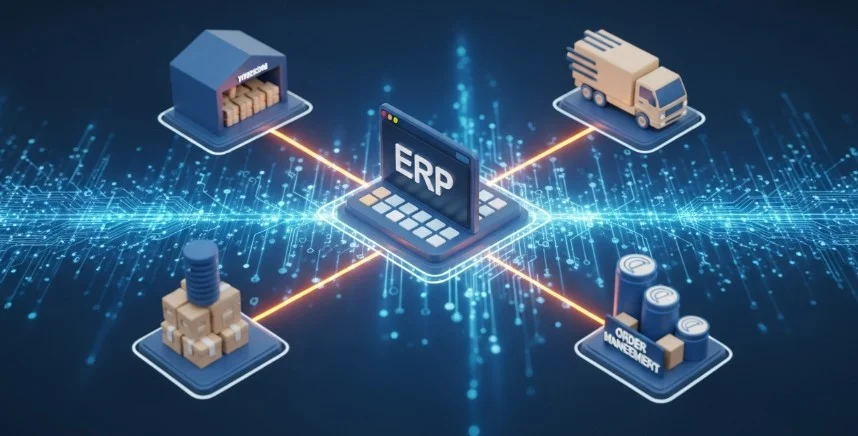
ERP (Enterprise Resource Planning) systems enable companies to manage all business processes from a single center. When integration with logistics is achieved; supply, storage, ordering, transportation and delivery processes are coordinated through the ERP platform. Thanks to this integration, information flow accelerates, the need for manual interventions decreases and harmony between processes increases.
During the integration process, data exchange is usually established between the ERP software and modules such as the logistics management system (LMS), transportation management system (TMS) or warehouse management system (WMS). These connections can be provided via API, EDI or special integration software. The aim is for each process to work digitally in sync with each other.
How to Establish Data Flow Between ERP and Logistics Modules?
Data flow is established bidirectionally between the finance, purchasing and sales modules in the ERP system and the warehouse, transportation and inventory modules on the logistics side. For example, when a sales order is created, this data is automatically transmitted to the logistics module and the shipping process is started. Likewise, when the delivery is completed, the invoicing process is triggered by automatic return to the ERP system.
The basis of this integration is accurate data mapping and consistent protocols between systems. Logistics software integrated into the ERP system reduces operational errors with real-time information flow and makes all steps of the process visible. Thus, planning, reporting and decision-making processes run more smoothly.
What is the Role of ERP Integration in Order and Stock Management?
ERP integration allows every step in order management to be tracked centrally. Once the customer order is received, the system checks the stock status, issues shipping orders and initiates the invoicing processes. This automation increases customer satisfaction by eliminating time losses and human errors.
In stock management, ERP systems offer real-time inventory tracking. All information, such as how much of which product is left and how much goods entered which warehouse on which date, is updated instantly. In this way, excess stock load is not created, missing stock situations are prevented and supply planning is done more efficiently.
What Kind of Competitive Advantage Does ERP and Logistics Compatibility Provide to Companies?
The harmonious operation of ERP and logistics processes provides companies with great advantages in terms of time, cost and workforce. In particular, fast preparation and correct dispatch of orders increases customer satisfaction. In addition, keeping processes under digital control within the business contributes to faster strategic decisions.
Competitive advantage is not limited to the acceleration of internal processes; It also strengthens your position in the market. Thanks to real-time data, the supply chain becomes more flexible and can respond quickly to sudden market changes. This makes companies more resilient to market fluctuations.