What Does Integrated Logistics Mean?
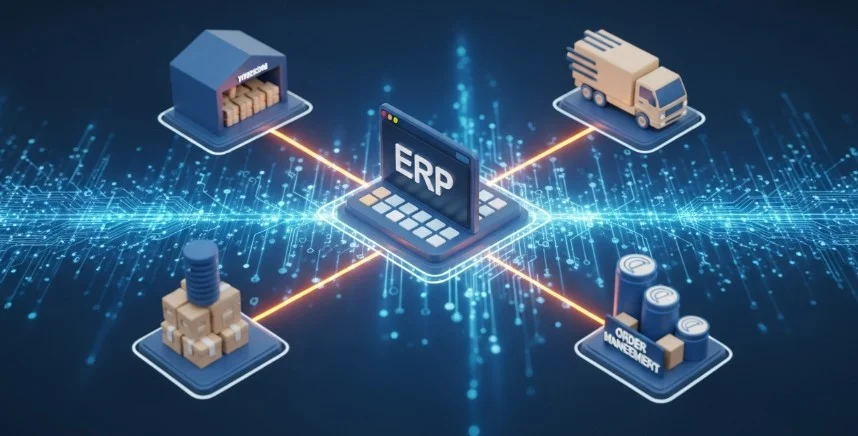
Integrated logistics refers to the coordination of all stages of the supply chain under a single planning and management system. In this model, storage, stock management, order preparation, distribution, customs clearance and delivery processes are not handled independently of each other, but in an integrated structure. The aim is not only to transport the product from one point to another, but to manage the operation from start to finish in an efficient, traceable and sustainable manner. Thanks to the integrated logistics approach, information flow and physical product flow are controlled within the same system. This reduces error rates and increases process transparency. This holistic structure provides a great advantage, especially for companies that make multi-channel sales. The ability of different departments to work simultaneously strengthens operational harmony. Thus, the logistics process turns into a strategic power of the business.
The main focus in this model is coordination. The data flow between the supplier, warehouse, carrier and customer proceeds uninterrupted. Integrating processes allows costs to be analyzed more clearly and unnecessary expenses to be reduced. It also ensures that delivery times are optimized. Thanks to the integrated structure, every step from order to delivery proceeds as planned. Problems such as excess stock or insufficient stock are more easily controlled. In international transportation, managing customs and document processes within the same system provides great convenience. This approach creates a scalable infrastructure, especially for businesses with growth targets. As a result, integrated logistics is not only an operational but also a strategic management approach.
What are the differences between Integrated Logistics and Classical Logistics?
In the classical logistics approach, processes are generally managed piecemeal. Storage may be carried out by one company, transportation by another company, and customs procedures by a different intermediary. This can lead to disruptions in information flow and coordination difficulties. In integrated logistics, all these steps are planned and monitored in a single system. Thus, a strong link is established between the different stages of the operation. While the classical model is more focused on physical transportation, it also centers on integrated logistics data management. This approach ensures that process performance is measurable. It also helps detect error sources faster. The basis of the difference lies in the holistic planning approach.
There are also important differences between the two models in terms of cost control. Total cost analysis may become difficult due to the dispersed structure in classical logistics. In integrated logistics, cost items can be analyzed clearly because all data is collected in a single center. This reduces unnecessary stock accumulation and delivery delays. Customer experience is also stronger in the integrated model because the ordering process is traceable from start to finish. Return and exchange processes are managed more systematically. Especially in fast-growing companies, the classical model may become insufficient over time. The integrated structure meets the increasing order volume more efficiently. Therefore, integrated logistics offers a more sustainable solution in modern supply chain management.
What Stages Do Integrated Logistics Processes Consist?
Integrated logistics processes start with supply planning. In the first stage, it is determined which supplier, in what quantity and in what time period the product will be supplied. Then, the products are accepted into the warehouse and stock management is carried out. It is of great importance to keep the products in the right conditions during the storage phase. When the order arrives, the product collection and packaging process comes into play. Speed and accuracy are critical factors at this stage. Afterwards, distribution planning is made and the transportation process is started. Customs clearance procedures for international shipments are also an important part of this chain. When all these steps are integrated with each other, the operation becomes efficient.
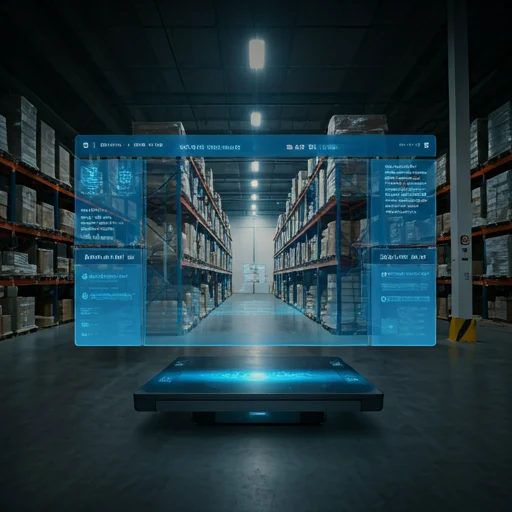
Digital tracking of processes is one of the most powerful aspects of integrated logistics. Every stage from order to delivery can be monitored through the system. At this point, technological infrastructure plays a decisive role because the data flow must be uninterrupted. Stock levels, shipping plans and delivery performance are analyzed simultaneously. These analyzes shed light on future planning. Central control is vital, especially in companies that do multi-location storage. At this stage, a correct logistics software Its use ensures that all processes proceed synchronously and increases operational efficiency. Thus, the integrated structure becomes sustainable not only in theory but also in practice. Thanks to systematic management, error rates are reduced to a minimum.
Why Does Integrated Logistics Play a Critical Role for E-Commerce Companies?
Customer expectations in e-commerce companies are based on speed, transparency and trust. The user placing an order wants to instantly see where the product is. Delays in delivery time directly affect brand perception. Integrated logistics plays a critical role at this point because it manages the entire process from order to delivery under one roof. Integration of stock and sales platform ensures that the product sold is actually available in the warehouse. At the same time, the increased order volume during busy campaign periods is managed in a more controlled manner. Return processes also proceed systematically and customer satisfaction is maintained. This structure strengthens the sustainability of the e-commerce operation. A dispersed logistics model can pose serious risks for growing e-commerce companies.
In the digital market where competition is intense, speed alone is not enough; consistency is also important. Thanks to integrated logistics, delivery performance can be measured and improved. In addition, even if different cargo companies are worked with, all data can be collected in a single system. This provides a great advantage in terms of cost optimization. For e-commerce companies that sell internationally, customs processes must also be managed in an integrated manner. Operational transparency also increases investor confidence. Integrated logistics has become not a choice but a necessity for companies that want to establish a scalable structure. Therefore, when creating an e-commerce strategy, the logistics infrastructure should be designed correctly from the very beginning. A solid integrated structure directly affects the growth potential of the brand.