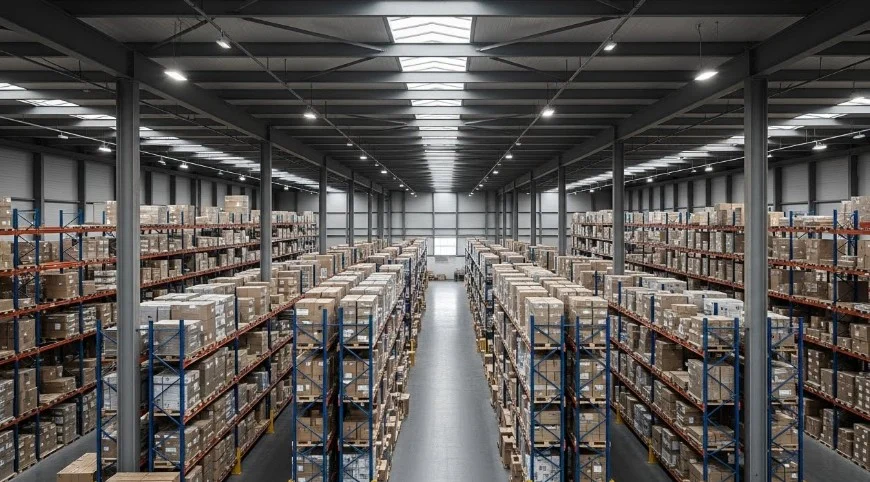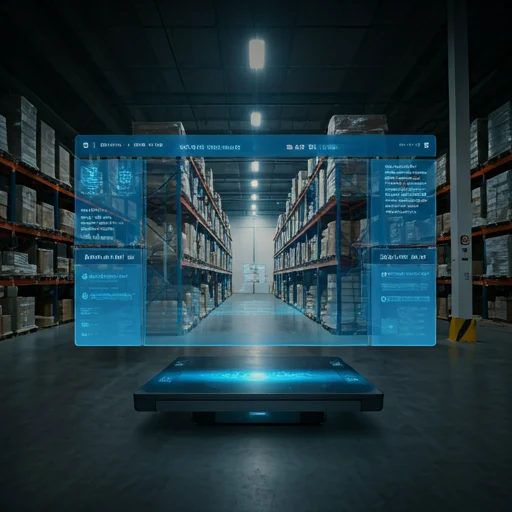
Businesses need more efficient warehouse management systems to meet growing product variety and customer expectations. Bonded warehouse management software meets this need by optimizing warehouse operations. It aims to manage all warehouse processes on one platform and improve efficiency.
What Is Bonded Warehouse Management Software?
Bonded warehouse management softwareis a software system that tracks, analyzes and manages all products' incoming and outgoing movements, locations, inventory levels and related information in a warehouse. It integrates with barcode readers, RFID tags and other technologies to automate warehouse operations.
Benefits of Bonded Warehouse Management Software
- Productivity Increase: Automating warehouse operations speeds up processes and reduces errors.
- Inventory Control: Real-time inventory tracking prevents overstocking and shortages.
- Optimized Warehouse Utilization: Planning the warehouse layout ensures efficient use of available space.
- Fewer Errors: Reducing manual data entry lowers the error rate.
- Improved Decision-Making: Data-driven decisions make warehouse management more effective.
- Cost Reduction: Provides advantages such as preventing inventory losses and reducing storage costs.
Features of Bonded Warehouse Management Software
- Product Tracking: Identifying and tracking all products using barcodes or RFID tags.
- Layout Planning: Determining and visualizing product locations within the warehouse.
- Inventory Turnover Analysis: Analyzing product turnover rates in the warehouse.
- Order Picking: Automatically picking and preparing orders.
- Inventory Counting: Periodic or continuous inventory counts.
- Reporting: Creating detailed warehouse performance reports.
- Integration: Easy integration with other systems, such as ERP and WMS.
Applications of Bonded Warehouse Management Software
- Logistics companies: Managing storage and distribution processes.
- Manufacturing companies: Storing raw materials and finished goods.
- E-commerce companies: Processing orders quickly and accurately.
- Food industry: Storing food products within the cold chain.
- Automotive industry: Storing spare parts and vehicles.