Operation of the Logistics Process
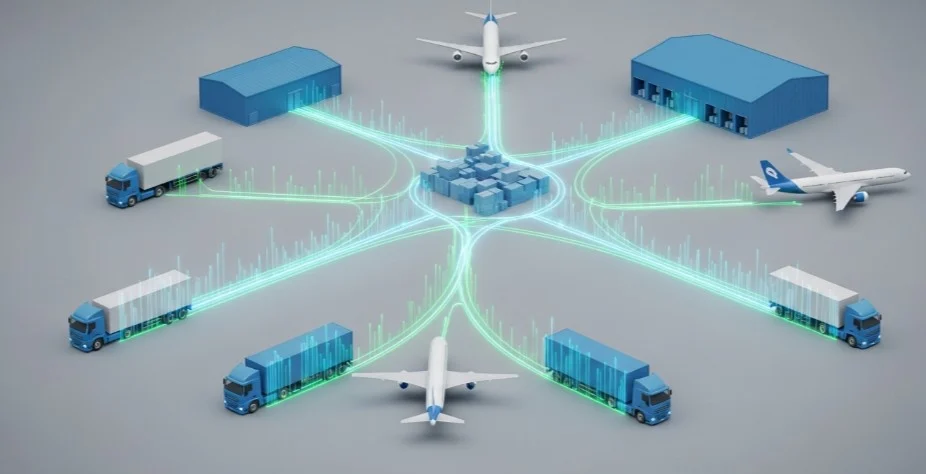
The logistics process is a comprehensive management system that covers all stages of a product, starting from the procurement of raw materials until it reaches the end user. This process includes not only transportation but also many steps such as planning, warehousing, inventory management, order processing, delivery and returns. Today, businesses benefit from logistics software solutions to manage this complex structure more efficiently. The aim is to deliver the product at the right time, at the right place and at the right cost.
A well-managed logistics process not only provides cost advantages to businesses, but also increases customer satisfaction. Coordination, timing and information flow play critical roles at each stage of the process. Therefore, logistics is considered not only an operational but also a strategic activity.
What Basic Stages Does the Logistics Process Consist of?
The logistics process is based on several important stages: procurement, storage, inventory control, transportation planning, delivery and return management. In the first stage, the required materials are procured. The products are then stored and stock levels are checked. Then the orders are planned and the products are sent by selecting the appropriate transportation modes.
The delivery phase is the most visible part of logistics and directly affects customer satisfaction. Finally, return and return processes are also part of logistics. This holistic structure ensures that the product reaches the end user in an uninterrupted flow.
How Do Storage and Inventory Control Perform in Logistics?
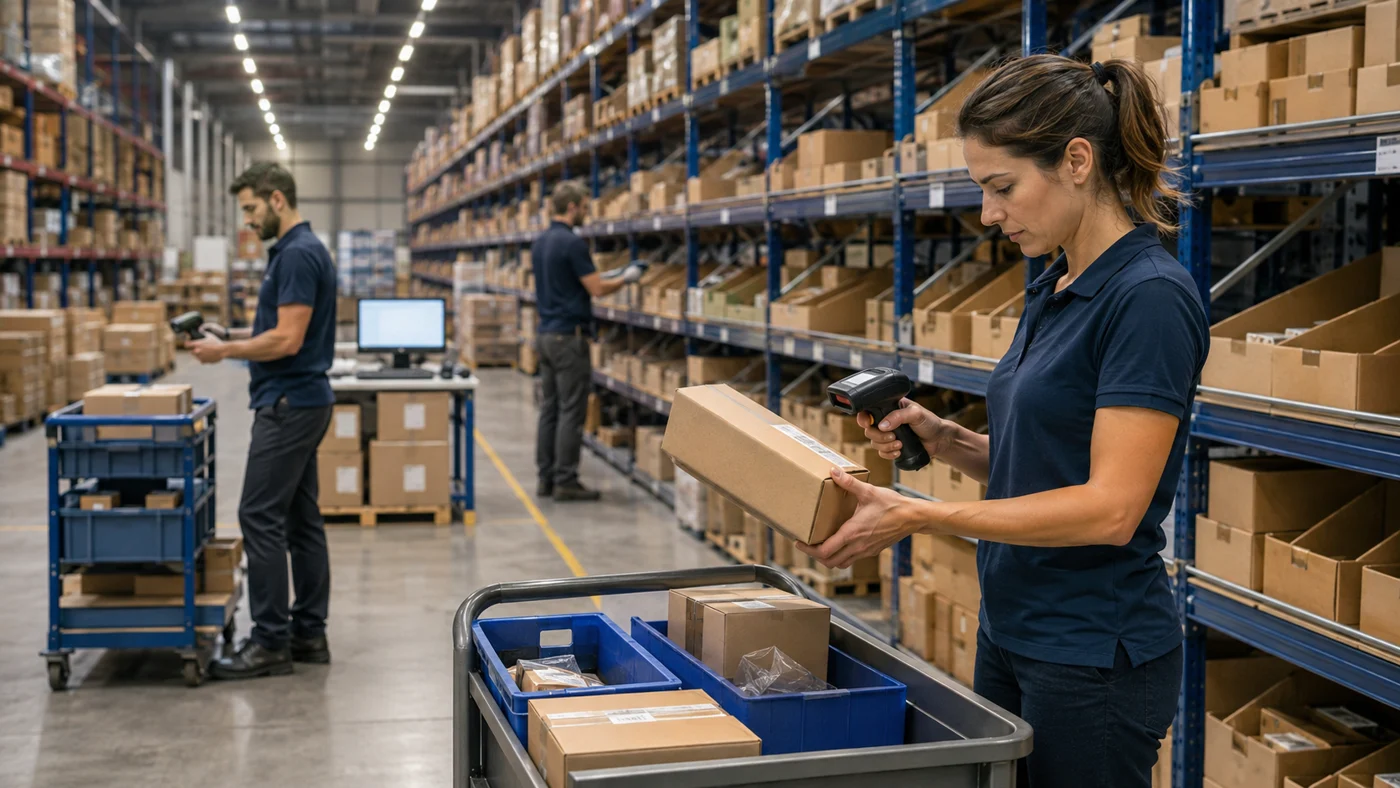
Storage is at the heart of logistics because it ensures that products are stored in an orderly, safe and accessible manner. In modern storage systems, products are tracked with barcoding, RFID tags and automation technologies. Thus, it can be easily tracked on which shelf or in which warehouse each product is located.
Inventory control is critical to prevent businesses from experiencing excess stock or insufficient stock. Stock levels are analyzed regularly to optimize costs and respond quickly to customer demands. Supporting these processes with digital systems increases the effectiveness of logistics management by reducing the margin of error.
What Factors Does Transportation Planning Depend on in the Logistics Process?
Transportation planning is an important stage in the logistics process that ensures the optimal transportation of products. While making this planning, factors such as the nature of the product, delivery time, costs, vehicle capacity and route are taken into consideration. For example, cold chain transportation may be required for sensitive or perishable products.
In addition, customs procedures and legal regulations in international transportation are among the factors that affect planning. Thanks to correct transportation planning, costs are reduced and timely delivery of products is guaranteed.
How to Integrate Delivery Tracking and Monitoring into the Logistics Process?
Delivery tracking is the most customer-focused part of the logistics process. At this stage, the location of the product, its estimated arrival time and whether the delivery has been made are monitored instantly. Thanks to GPS-based vehicle tracking systems, barcode reading technologies and digital platforms, both companies and customers can track the location of the product.
This integration not only increases customer satisfaction but also provides operational control to companies. Recognizing possible delays in advance allows alternative solutions to be developed. Thus, transparency and trust are ensured in the logistics process.
How Do Digital Logistics Software Increase the Efficiency of the Process?
Digital logistics software minimizes errors by automating many manual processes. Many stages such as stock tracking, order management, route optimization, cost calculation and reporting are carried out faster and more accurately thanks to these software.
In addition, digital systems support data-based decision-making processes. For example, instant reports can show which route is more economical or which warehouse is experiencing product shortages. Thus, businesses both save time and gain a competitive advantage by using their resources more efficiently.