How is Vehicle Loading Occupancy Optimization Performed?
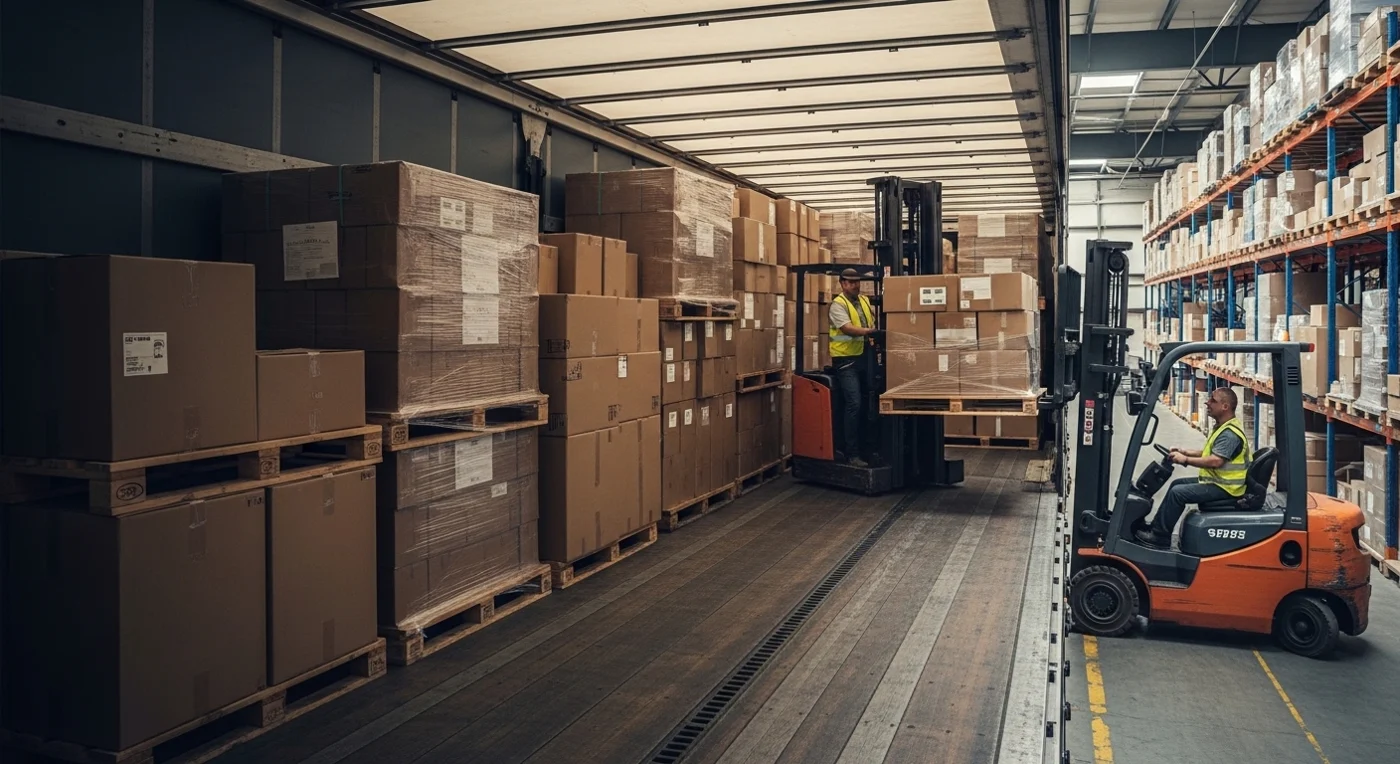
Vehicle loading occupancy optimization is the process of using the internal volume, carrying capacity and delivery order of a shipping vehicle in the most efficient way. The goal here is not just to fill the vehicle completely. The main goal is to both reduce costs and increase the quality of operation by transporting the right products in the right order, in the right vehicle and with the right plan. Unnecessary free space inside the vehicle is often an invisible source of cost. Because when the vehicle hits the road, it consumes fuel, driver time is used, the shipment plan is processed and the delivery process continues. When the amount of cargo transported remains low, all these costs are distributed over fewer products.
This issue is especially critical for companies that distribute, make regular shipments, carry products of different sizes and work with route planning. If a business that delivers vehicles to the same region every day cannot manage the vehicle occupancy rate correctly, the number of unnecessary trips will increase over time, delivery pressure will grow and the burden of the operations team will become heavier. Therefore, occupancy optimization is not a last-minute placement decision within the warehouse; It is the planned management of the entire process from order to shipment.
In many businesses, the occupancy problem arises not because the vehicle appears empty, but because it is not used efficiently even though it appears full. Products may be loaded in the wrong order, access may become difficult depending on the delivery points, usable space may be lost because the appropriate vehicle is not selected, or the planning may not reflect reality because the product dimensions are entered incorrectly. In such cases, the vehicle appears to be full, but the efficiency remains low because the capacity is not used correctly.
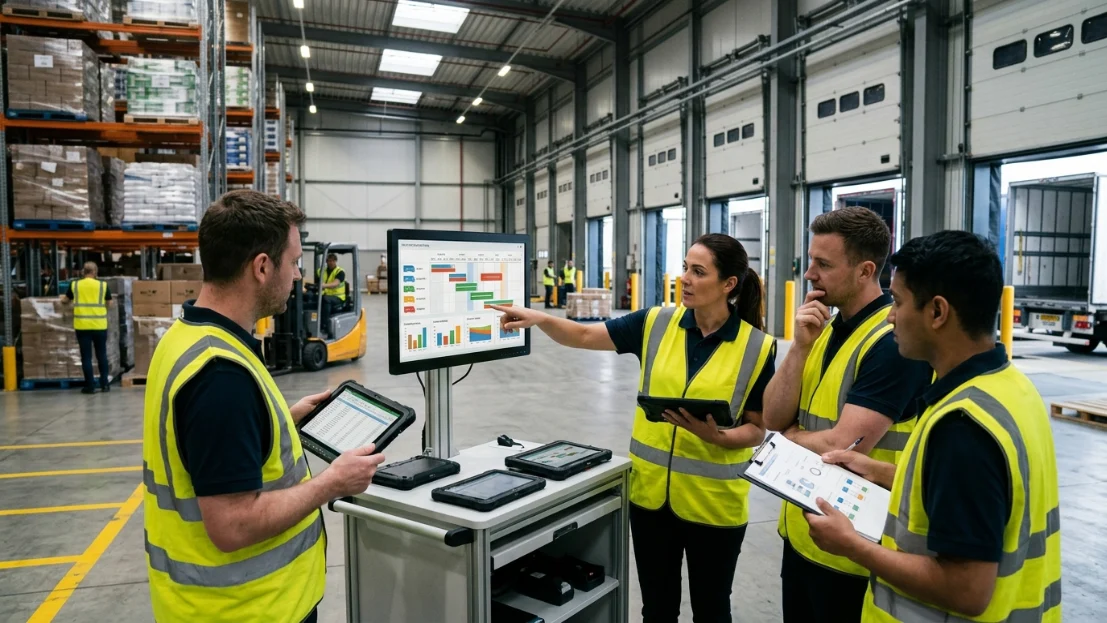
Planning power is decisive here. More accurate results are obtained when order density, vehicle type, product size, delivery order and route structure are evaluated together. Especially companies using logistics programs can see more clearly which vehicle is more suitable for which order combination, which gaps occur during loading and at what stage the capacity loss begins. Thanks to this visibility, decisions are made based on measurable data, not guesses.
Correct occupancy optimization makes it possible to transport more products with fewer vehicles. The result of this is not just a cost advantage. Warehouse checkouts proceed more regularly, the delivery plan is established more firmly, unnecessary trips are reduced and the risk of delays on the customer side decreases. Therefore, the issue affects both transportation cost and service quality at the same time.
Why is occupancy important in the Vehicle Loading Process?
The first reason why the occupancy rate is important in the vehicle loading process is cost control. When a vehicle hits the road with insufficient capacity, the company does not just carry empty space. It also produces higher unit transportation costs. Because while the time spent for shipment, fuel, personnel and operational resources do not change, the total amount of product transported decreases. This situation quickly turns into a significant area of inefficiency in businesses that make regular shipments.
The occupancy rate also shows the quality of vehicle use. If vehicles consistently show up at low occupancy, this indicates a problem with planning, order consolidation, vehicle selection or loading order. Especially if there is an occupancy difference in shipments with the same route structure and similar order profile, the company's operation standard is not strong enough. That's why the occupancy rate is not just a number, it is an indicator of operational discipline.
Occupancy is also a critical element in terms of delivery performance. Placing products in the vehicle randomly and filling the space is not the same as placing them in a planned order according to the delivery order. When the first deliverables are placed in the hard-to-reach area, the field team loses extra time at each stop. This disrupts the route order, extends the delivery time and may create dissatisfaction on the customer side. So good occupancy is not just tight occupancy; It means accessible and site-appropriate placement.
The occupancy rate is also important to understand how effectively the carrying capacity is used. Questions such as which vehicles are frequently empty, which product groups take up more space in the vehicle than necessary, which delivery model creates capacity loss, can only be answered when occupancy data is monitored. This directly affects the company's future vehicle planning, fleet preferences and shipping structure.
In addition, the occupancy rate also has an environmental impact. Lower occupancy often means more vehicle movements. More vehicle movement means more fuel consumption and higher emissions. When cost and sustainability are considered together, managing vehicle occupancy correctly provides not only an operational but also a strategic advantage.
What are the Factors Affecting Occupancy Optimization?
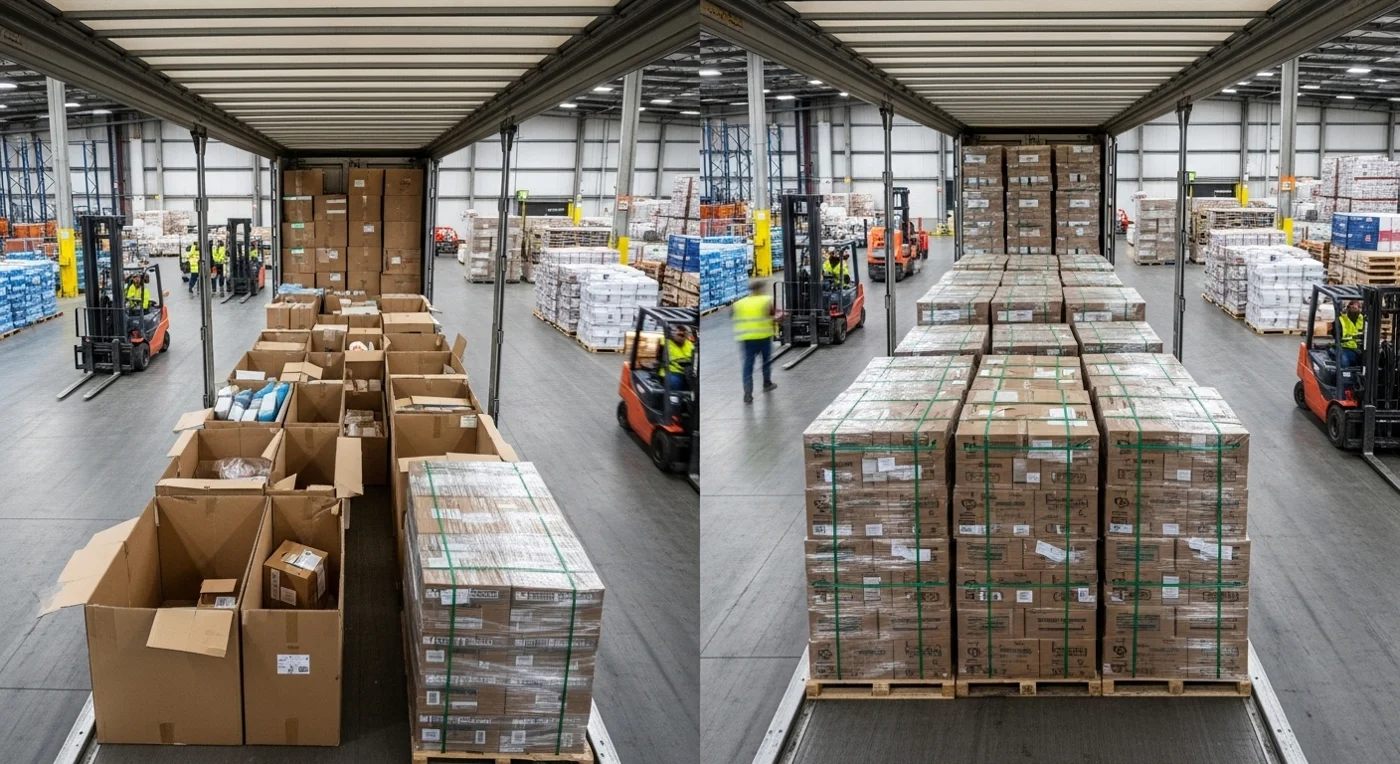
The most fundamental element affecting occupancy optimization is the product structure. Not every product can be transported the same way. Some products are light but bulky. Some take up little space but are very heavy. Some products can be placed on top of each other, while others must be carried in a single layer. Products that are fragile, contain liquid content, have sensitive surfaces or require special orientation require different placement rules in the vehicle. For this reason, it is not possible to ensure efficient occupancy without correctly defining the size, weight and transportation conditions of the products.
Delivery order is also a direct determining factor. Achieving good vehicle occupancy alone is not enough. The order in which the products will be downloaded should also be taken into account. When the product allocated for the first delivery point is left behind, the driver or field staff has to reopen the interior of the vehicle at each stop. This wastes time and increases the risk of error. Therefore, the occupancy plan should be considered together with the delivery order.
Vehicle type is another important factor. The same amount of load can be transported with different efficiency in different vehicles. Vehicle interior length, height, door opening, floor space and payload capacity directly change loading performance. When a vehicle that does not fit the order profile is selected, there is a loss of available space. Therefore, vehicle selection should be made based on data and need profile, not on habit.
Order flow also affects occupancy optimization. Last minute orders, constantly changing delivery demands, product quantities that are not clear during the preparation phase, and scattered order entries make planning difficult. If the planning team cannot find sufficient preparation time, the loading decision is made on site and in a hurry. In such a structure, occupancy optimization cannot be achieved consistently. For this reason, order closing time, preparation process and shipping plan must be carried out in a certain discipline.
Data accuracy also plays a critical role. If the measurement information on the product card is incorrect, the capacity calculation made on the system will be invalidated in the field. The load that seems to fit inside the vehicle may actually take up more space. On the contrary, usable space may be left empty without being noticed. Therefore, for efficient occupancy, product information should be checked regularly and field and system data should be harmonized.
The human factor should not be neglected. Even with the same order structure, the same vehicle type and the same delivery region, different teams can produce different results. This is often due to a lack of standards. Teams that are trained, planned and work in the same way show higher occupancy success. Therefore, operational quality is related not only to vehicle and product data, but also to team discipline.
How to Increase Efficiency in Vehicle Loading Planning?
The first step to increase efficiency is to work with the right data. The width, length, height and weight information of the products must be complete. In addition, stackability, fragility, transport direction and special storage conditions should also be defined. When there is a difference between the system data and the actual product structure, the planning breaks down in the field even if it looks correct on paper. Therefore, vehicle loading efficiency starts with product card accuracy.
The second step is to put the orders together correctly. Orders destined for the same region, with similar delivery times, suitable for the same vehicle type and with high loading compatibility should be handled together. The dispersed order structure creates space inside the vehicle and complicates the delivery flow. Planning orders based on shipment compatibility, not just on readiness, significantly increases efficiency.
Standardizing the loading order is also important. Although it may seem practical for each personnel to load according to their own habits in the short term, it creates disorder in the long term. There should be certain rules regarding which product group will be loaded first, which orders will be kept close to the door, and which products can be transported together. When a standard is established, the error rate decreases and the operation gives more consistent results in different shifts.
The in-warehouse preparation process also has a great impact on productivity. When products are not prepared in the loading order, time is wasted at the vehicle. The order of collection, sorting and preparation for shipment must proceed in accordance with the loading plan. Businesses that do not have strong in-warehouse preparation have difficulty in achieving good occupancy in the vehicle. Because loading quality begins to take shape not only at the vehicle door, but also in the preparation area.
Performance measurement is also one of the main ways to increase efficiency. It should be regularly monitored which vehicles leave with lower occupancy, which routes experience capacity loss, and which product types cause more space loss. When measurements are not made, the same mistakes are repeated. Here, logistics programs with reporting power provide clear decision support to managers. Thus, it becomes clearer which vehicle type, which route structure and which loading model are more efficient.
In addition, harmony between the delivery order and the loading order must be maintained. Just showing the vehicle full does not mean efficiency. To move quickly on site, reduce product damage, and shorten delivery time, the loading layout must serve the flow of operations. Real efficiency is achieved with a plan that works smoothly from the warehouse exit to the delivery point.
How to Avoid Errors That Lead to Loss of Occupancy
The most common error that causes loss of availability is incorrect product data. When the measurement and weight information does not reflect reality, vehicle capacity is calculated incorrectly. This leads to unexpected gaps within the vehicle or the need for last-minute relocation. To avoid this problem, product information should be checked at regular intervals and compared with actual field data.
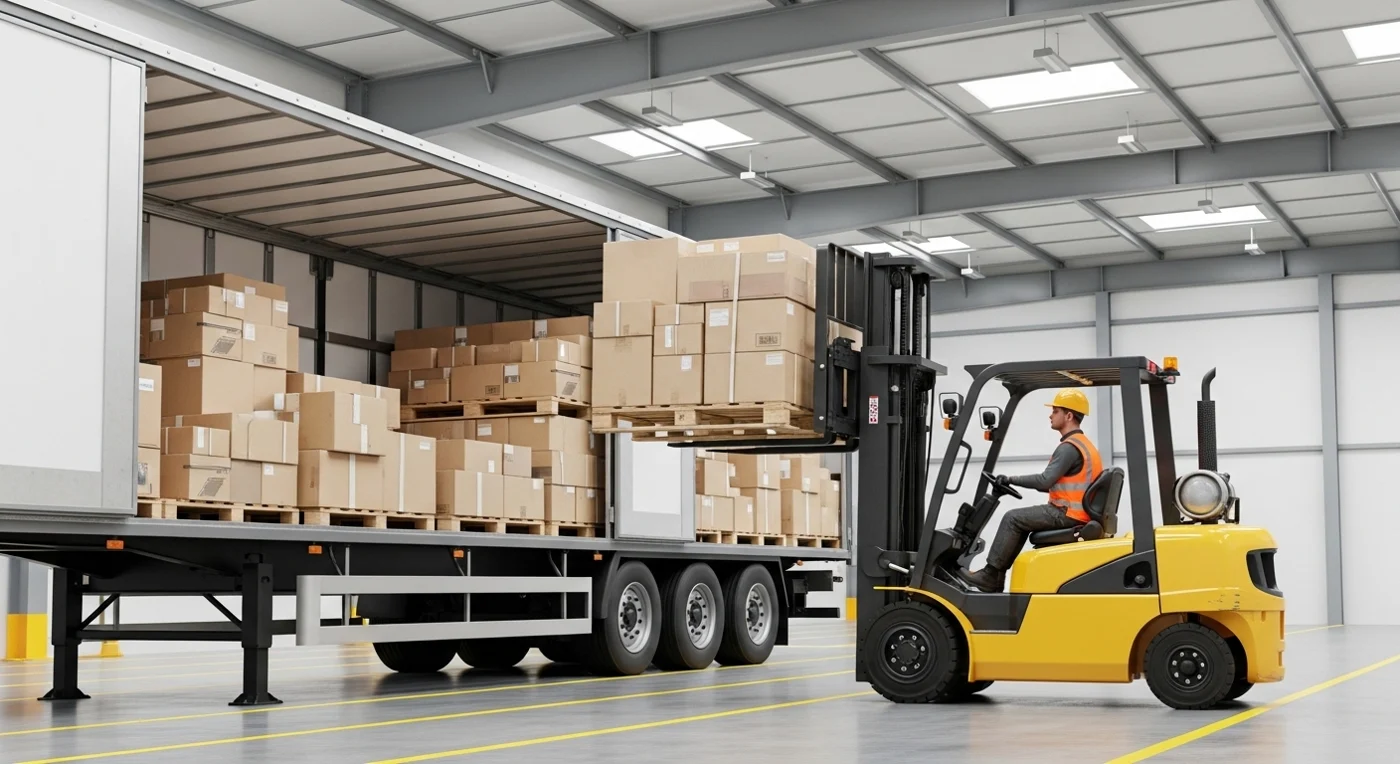
Another important mistake is loading without taking into account the delivery order. Even if the vehicle appears full, if the products are placed in the wrong order, time will be lost at the delivery points. Searching for products at each stop, pulling the load to the front, or trying to reach the material in the back row slows down the operation. Therefore, occupancy and ease of access should be considered together.
Last minute order changes also lead to serious losses. New orders, cancellations or address changes after the vehicle loading plan is completed disrupt the in-vehicle order. To reduce such situations, order closing times should be clearly determined and a separate application model should be created for exceptional changes. It is difficult to establish healthy occupancy in an ever-changing shipping structure.
Choosing the wrong vehicle is also a common problem. A larger vehicle does not always provide an advantage. Large vehicles that do not fit the order profile carry unnecessary space. Forced plans made with small vehicles create the need for additional trips. Therefore, vehicle selection should be made based on past shipment data, order density and product features.
Lack of communication is also one of the important reasons for loss of occupancy. If the sales, warehouse, planning and shipping teams do not have the same information, the loading order will be disrupted. If the product's special transportation condition, delivery priority or field note is missing, the loading plan does not comply with the actual conditions. For this reason, the operation must be managed regularly not only physically but also in terms of information flow.
To prevent occupancy loss, businesses need to establish a standard, measurable and data-oriented structure. When correct product information, correct vehicle selection, correct order consolidation, correct delivery order and regular performance monitoring come together, capacity utilization increases significantly. Thus, more work can be done with fewer trips, cost pressure decreases and shipment quality increases. Vehicle loading occupancy optimization is not by random compression; It is achieved through planning, control and operation harmony.