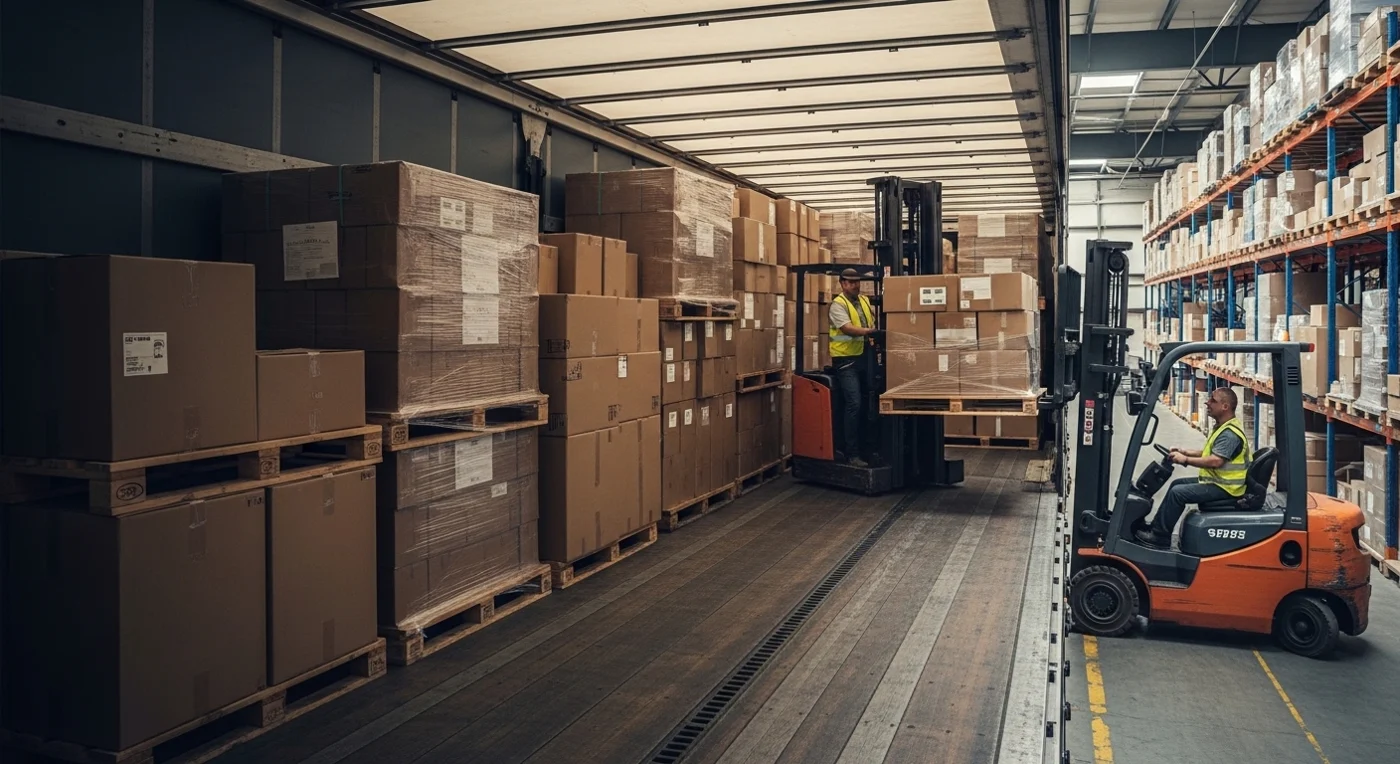
Route optimization is a route planning process that combines the points that need to be visited by one or more vehicles between a specific start and end point in the most efficient way. In this process, many factors such as distance, duration, traffic density and vehicle capacity are taken into consideration.
The Importance of Route Optimization
- Time Saving:By determining the shortest and fastest routes, vehicles can visit more points in a shorter time.
- Cost Reduction:Costs such as fuel consumption and vehicle maintenance are reduced thanks to shorter routes.
- Productivity Increase:More effective use of vehicles increases workforce efficiency.
- Customer Satisfaction:Making deliveries on time increases customer satisfaction.
- Reducing Traffic Congestion:Smarter routes reduce situations that cause traffic congestion.
How Does Route Optimization Work?
Route optimization systems typically follow the following steps:
- Data Collection:Information such as the coordinates of the points to be visited, the capacities of the vehicles, and traffic data are collected.
- Route Calculation:According to the data collected, different route options are evaluated and the most suitable route is determined.
- Route Planning:The determined route is communicated to the drivers or relevant persons.
- Tracking and Optimization:As the route is implemented, the route can be continuously updated using real-time traffic data.
Methods Used in Route Optimization
- Fixed Route:The points to be visited in a certain order are determined in advance.
- Dynamic Route:The route plan is constantly updated according to variables such as traffic conditions and emergencies.
- Multiple Warehouse Route Optimization:For deliveries from more than one warehouse, the most appropriate routes are determined.
- Capacity Constrained Route Optimization:Routes are planned considering the carrying capacity of the vehicles.
Areas Where Route Optimization Benefits
- Logistics:Transportation, distribution, courier services
- Service Services:Technical service, maintenance services
- Sales:Mobile sales teams
- Utilities:Garbage collection, snow removal
Things to Consider in Route Optimization
- Correct Data Entry:For route planning to be accurate, it is important that all data is accurate and up to date.
- Flexibility:The route plan must be able to be updated according to variables such as traffic conditions.
- Ease of Use:The system should be easy to use so drivers can easily access route information.
- Integration:Integration with other systems (GPS, ERP, CRM, etc.) increases efficiency.
Conclusion
Route optimization is an important tool that helps businesses optimize their logistics processes and reduce costs. In this way, businesses can provide faster, more efficient and more customer-oriented services.
Evren Computer systems enable more effective use of vehicles, increase workforce efficiency, timely deliveries and increase customer satisfaction.