How Should Container Tracking Be Done in Sea Transportation?
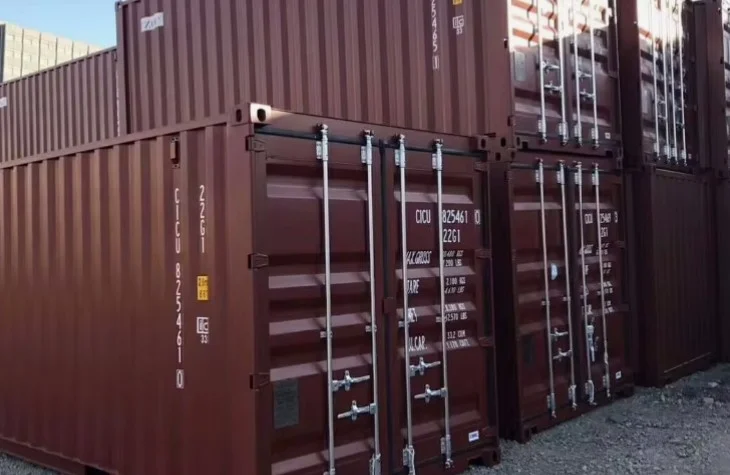
Container tracking in sea transportation is the process of regularly monitoring the stage of the cargo from the port of origin to the port of destination. This tracking is not done just to see where the container is. The main purpose is to understand whether the transportation is progressing according to the planned flow, to notice possible delays early, to provide accurate information to the customer and to be able to make operational decisions on time. Since the process in maritime transportation is longer and more gradual than in land transportation, the quality of tracking directly affects the quality of service. Every step, from the container's entry into the port to its loading onto the ship, to its arrival from the transfer ports to its destination, is of particular importance.
The main reason that makes container tracking important is that the process is not just about physical movement. A cargo may wait at the terminal, it may not be able to reach the planned voyage, the waiting time at the transfer port may be longer, or the delivery process may be delayed due to paperwork at the destination port. So even if the container appears to be moving, the operation may be progressing slower than expected. Therefore, tracking should be done not only by looking at the ship's location, but also by evaluating all the processing steps to which the cargo depends.
Container tracking is also of great importance in terms of customer relations, especially for companies that engage in regular sea transportation. Operations teams that do not know what stage the load is at cannot provide clear information to the customer. As uncertainty increases, trust decreases. On the other hand, in a structure where movements are tracked accurately, delivery dates can be managed more realistically and precautions can be taken earlier when there is a risk of delay. Therefore, container tracking is not just a process of collecting information, but a process that provides direct operational control.
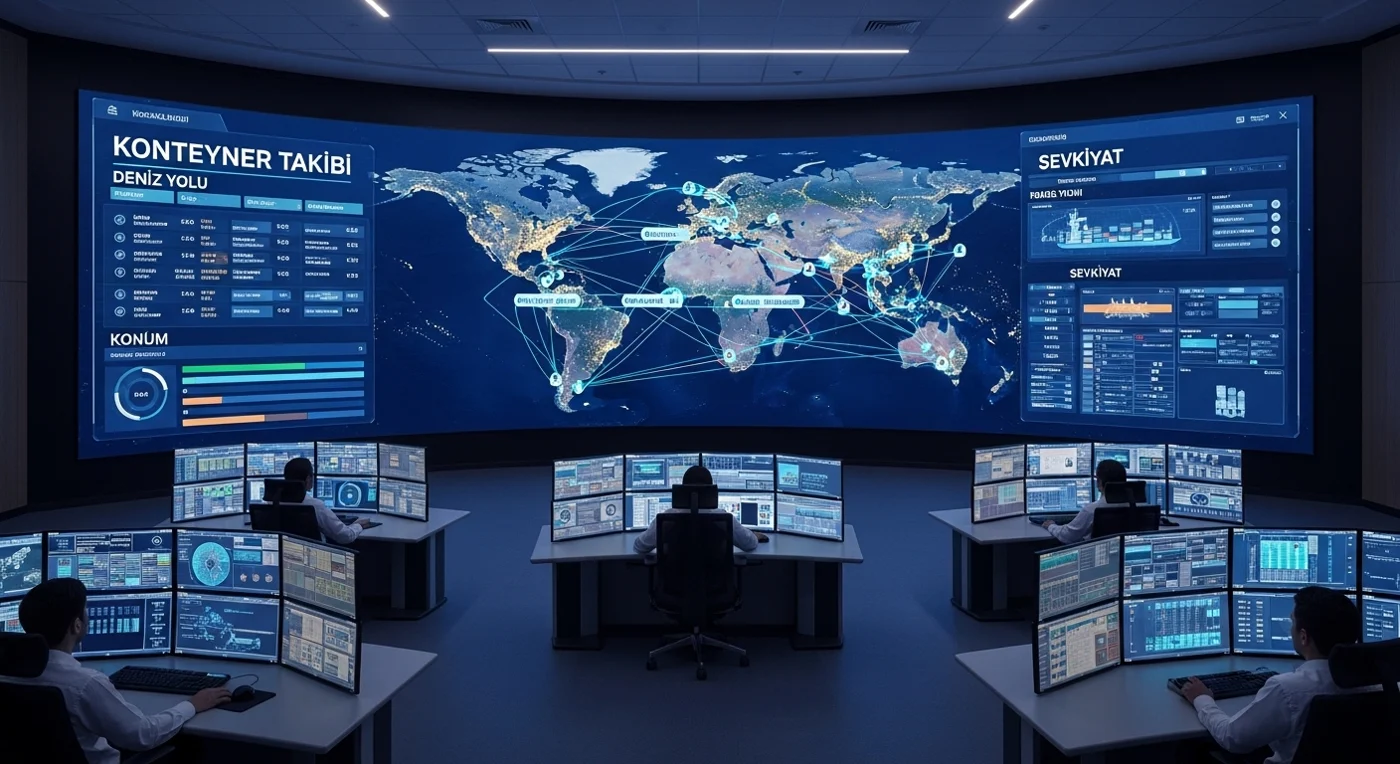
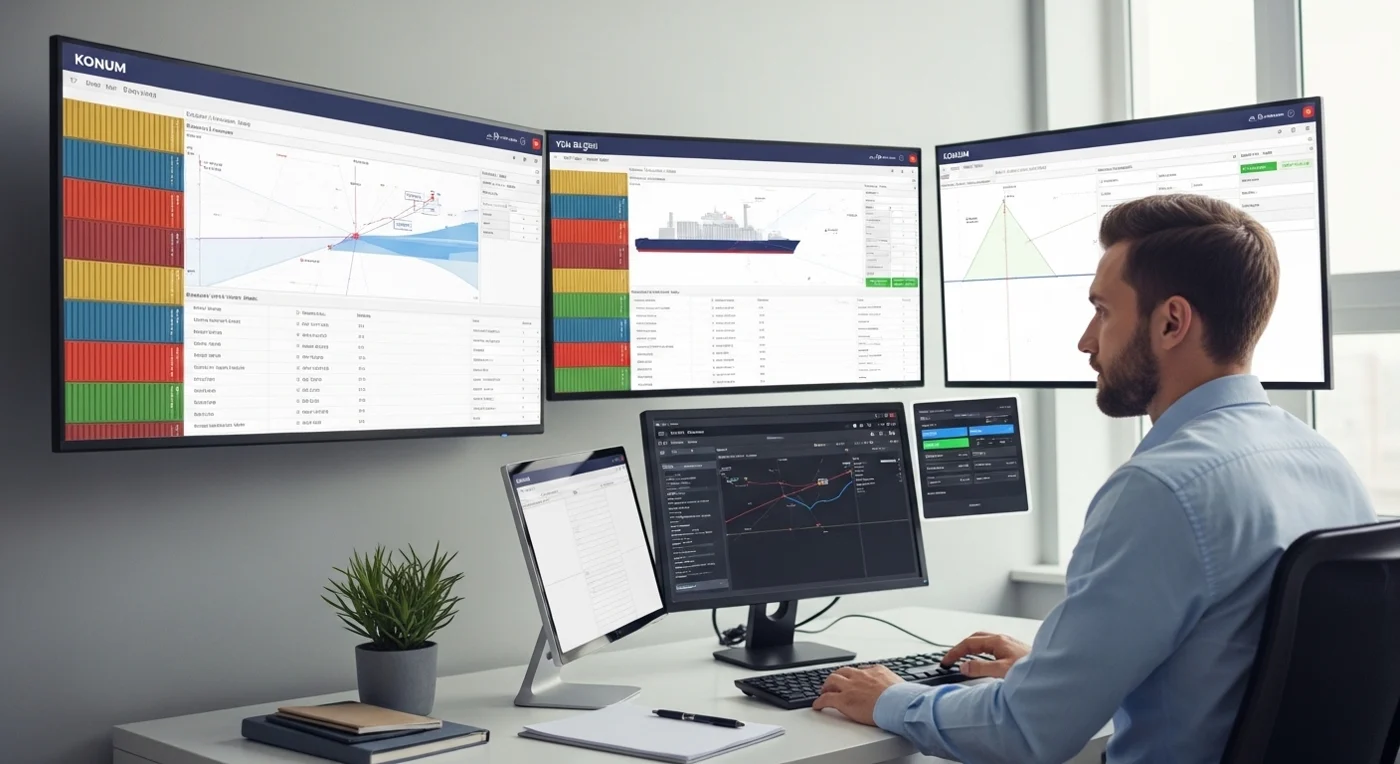
At this point, systematic follow-up provides a great advantage. Especially in processes managed with logistics software, container movements, document flow, voyage information and port stages can be monitored more holistically. Thus, instead of just looking at the final situation on a screen, the entire process can be read more clearly. The stronger the tracking is established in maritime transportation, the healthier the planning and delivery management progresses.
What Information is Used for Container Tracking?
The most basic information used for container tracking is the container number. This number constitutes the identity of the physical unit and is at the center of queries made in the systems. However, only the container number is not enough for a healthy tracking. Because the reservation under which the container is transported, which ship it is attached to, which port it leaves from and goes to, and the transfer plan, if any, must also be known. The container number alone is the starting point, but should be evaluated together with other data to truly understand the process.
Another critical information is voyage and carrier information. Which route operator is used, ship name, voyage number, planned departure date and estimated arrival date allow to understand the route of the container. This information becomes even more important, especially in connecting transportation. Because the container may not proceed with a single ship. If it is necessary to transfer to another ship at an intermediate port, the tracking should also include this connection. For this reason, being satisfied with only the departure and destination port information is often insufficient.
The information used for tracking also includes port and terminal movements. It must be monitored when the container enters the terminal, whether it is loaded onto the ship, whether its exit from the port is completed, and whether it enters the discharge process at the port of destination. Because the difference between the planned schedule and actual movements can only be understood at these stages. When the voyage plan on paper does not match the actual terminal movement, there is a risk of delay or deviation.
Documentary information is also an important part of the tracking process. The bill of lading number, cargo description, sender and receiver details, delivery method and documents required at the destination are as important as the physical movement. Sometimes the container reaches the correct port, but the delivery process is delayed due to incompatibility on the document side. Therefore, it would not be right to limit container tracking only to ship data. The entire operational flow should be evaluated together.
At What Stages Are Container Movements Monitored?
Container movements are first monitored during the pre-loading preparation phase. At this stage, empty container allocation, routing to the loading address, loading plan and terminal entry date become important. Even if the container has not yet been loaded onto the ship, it becomes clear at this stage whether the process has started correctly or not. If loading is delayed or terminal delivery time is missed, the entire subsequent schedule will be affected.
The second stage is the terminal and port acceptance process. When the container enters the terminal area after loading, it is checked whether it is delivered within the planned cut-off time. This stage is very important because if the container does not enter the terminal on time, it may not be connected to the relevant voyage. In many operations, the first signal of delay is seen here. Therefore, the information that the container has arrived at the terminal should be carefully monitored not only in terms of recording but also in terms of time control.
The third stage is the loading and exit process to the ship. Here it is understood whether the container is actually loaded on the planned ship, when the ship departs and whether the departure is in line with the schedule. If there is a difference between the planned departure date and the actual departure, the delivery time is directly affected. Therefore, it is necessary to look at the actual loading confirmation, not just the reservation.
The fourth stage is the navigation and transfer ports, if any. In international sea transportation, many containers do not go directly to the port of destination. It can wait at transfer ports or connect to another voyage. If these intermediate stops are not followed, the process cannot be read properly. Especially waiting times at the transfer port can be one of the most important reasons that extend the total transit time. Therefore, movement tracking should continue throughout the journey.
The final stage is the port of arrival, evacuation and delivery preparation. The process is not over when the container reaches the destination port. Evacuation time, waiting status at the terminal, document matching and final delivery preparation should also be monitored. The assumption that a container that has arrived at the port of destination will be delivered immediately is often not true. In-port transactions and document flow also determine the final part of the process.
How to Notice Delays in Container Tracking?
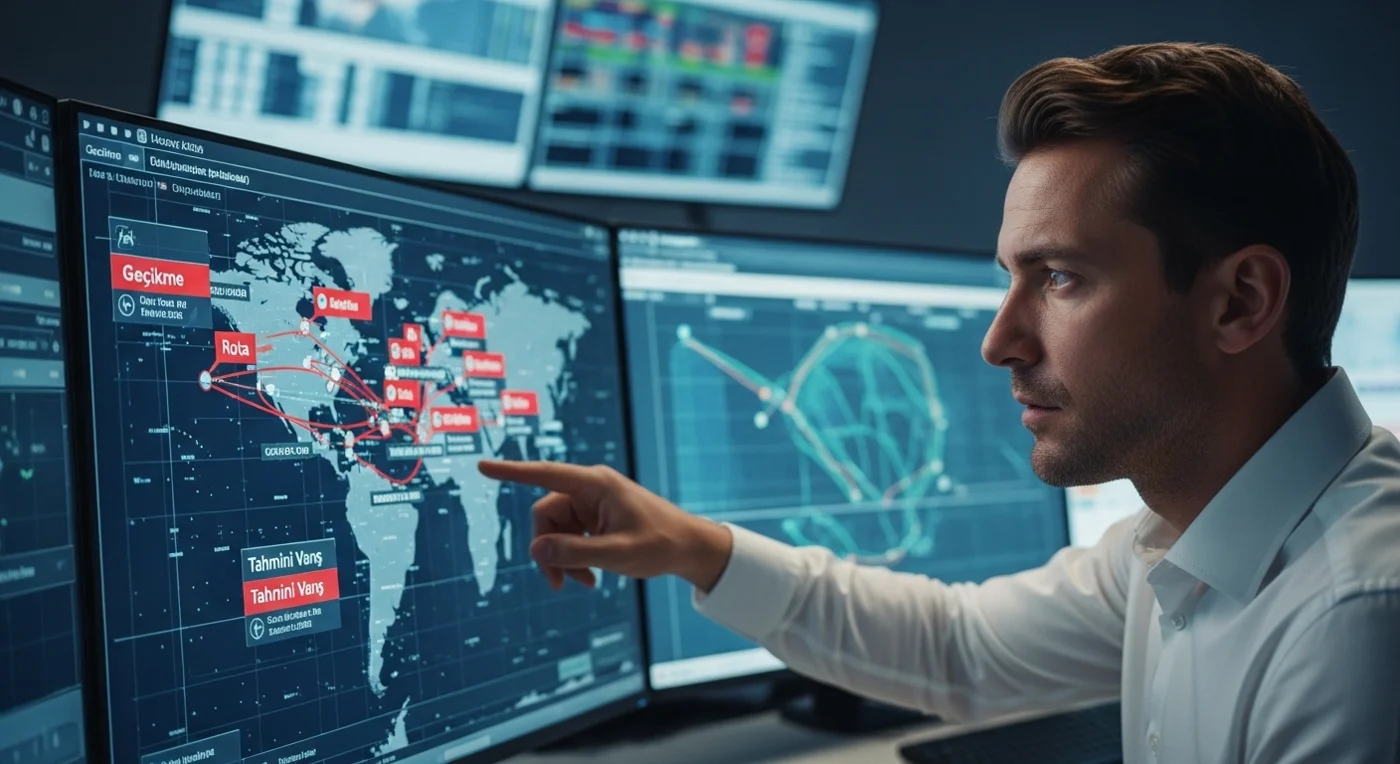
In order to detect delays, the planned schedule must first be compared with the actual movement. If the container did not enter the terminal on time, was not loaded onto the ship on the planned date, or the waiting time at the transfer port was extended, there is a risk of delay. So the delay is not only apparent when the estimated arrival date has passed. Early signals appear much earlier. Teams with strong follow-up can catch this difference in the beginning stages.
The first symptom often appears at the terminal entrance or loading stage. Important signs are that the container misses the cut-off time, the voyage shown in the reservation does not match the actual departure, or the loading confirmation is delayed. In this case, there is a possibility of delay before the container even sets sail. If this difference is not seen in time, the information given to the customer becomes misleading.
Transshipment ports are one of the areas where delays are most frequently noticed. If the container cannot be connected to the second planned voyage after reaching the intermediate port or if the waiting time becomes longer, the total transit time begins to change. At this point, just looking at the port arrival information is not enough. Next time connection also needs to be checked. Because real delay often starts not where the movement stops, but where the connection breaks.
Delays are sometimes caused by document incompatibility, not physical movement. Lack of documentation, error on the bill of lading or disruption in arrival preparation may slow down the delivery process even if the container has arrived at the port. Therefore, delay should not be evaluated only based on ship and port movement. The entire operational flow should be read together.
Which Mistakes Should Be Avoided in Container Tracking?
The most common mistake is to track only the estimated arrival date. However, container tracking is a much broader process than a single date information. Entry to the terminal, loading onto the ship, transfer movements, port of destination transactions and document flow should be evaluated together. Looking only at the last estimate will cause late detection of deviations in intermediate stages.
Another mistake is to ignore information other than the container number. Tracking will be incomplete without taking into account voyage information, carrier line, reservation data, bill of lading details and port movements. The container may be apparently moving, but there may be a problem in the operation flow to which it is connected. For this reason, the questioning should be done holistically, not in a single area.
Not monitoring the transfer ports adequately is also one of the important mistakes. In many operations, the origin and destination ports are followed, but the ports in between are overlooked. However, a significant part of the delay occurs at these stages. For this reason, not only where the container leaves and where it arrives, but also how it progresses in between should be monitored.
Seeing the document side separately from the physical movement is also the wrong approach. The container may have arrived at the port, but the delivery may not proceed due to lack of documentation. Therefore, tracking should not be seen as just location information. In particular, companies that use international maritime shipping software can monitor container movements more holistically, together with the document flow and operation process.
The last mistake is to start the follow-up process after the problem occurs. Effective follow-up is not a control that comes into play when there is a delay, but a regular monitoring system carried out from the beginning of the process. Visibility, which begins when the container is at the loading stage, enables faster decisions in the following stages. When container tracking in sea transportation is done correctly, customer information is strengthened, the operation becomes more predictable and uncertainty in the delivery process is reduced.