How Does Cargo Damage Occur in Logistics?
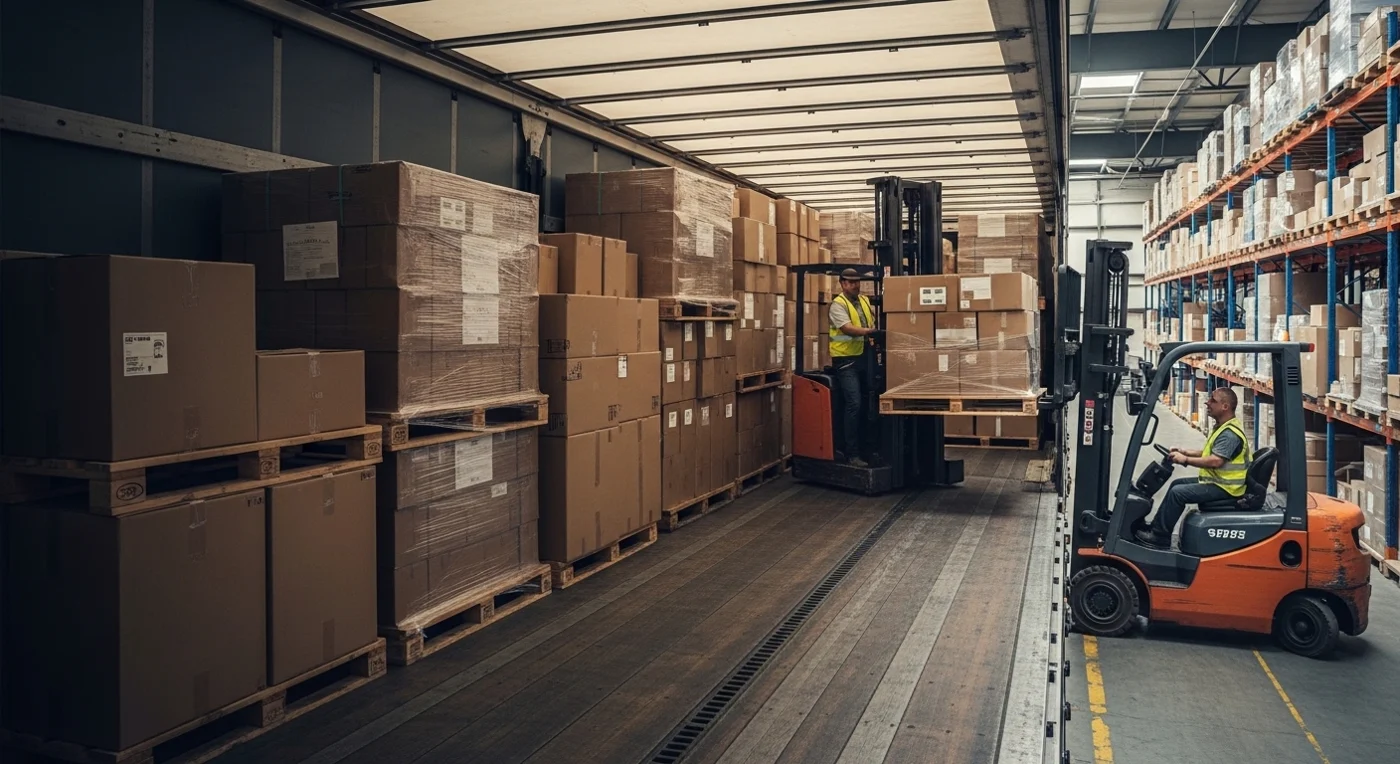
Load damage in logistics is the situation where products are physically damaged, become unusable or lose value in the process from leaving the warehouse to reaching the delivery point. Damage doesn't just occur during transportation; Errors in packaging, loading, in-vehicle placement, fixing, road conditions and unloading stages can also cause damage to the cargo. Even a small operational error can lead to significant losses, especially for products that are sensitive, fragile, heavy or require special transportation conditions. For this reason, it is necessary to consider cargo damage not only as a result of delivery, but as a common risk of the entire transportation process. Determining at what stage and for what reason the damage occurred is important to prevent similar problems from recurring.
Cargo damage does not only mean product loss for businesses. Additional processes such as reshipment, returns, additional transportation, customer complaints and operation rescheduling may also occur. Especially in high-volume transportation, even minor damages can reach a significant level in the total cost. Tracking loading, vehicle, delivery and damage records together through logistics programs can make it easier to see which operations are at higher risk. However, real improvement is possible not only by recording the damage, but also by correctly analyzing the operational causes that caused the damage.
What Are the Most Common Causes of Cargo Damage?
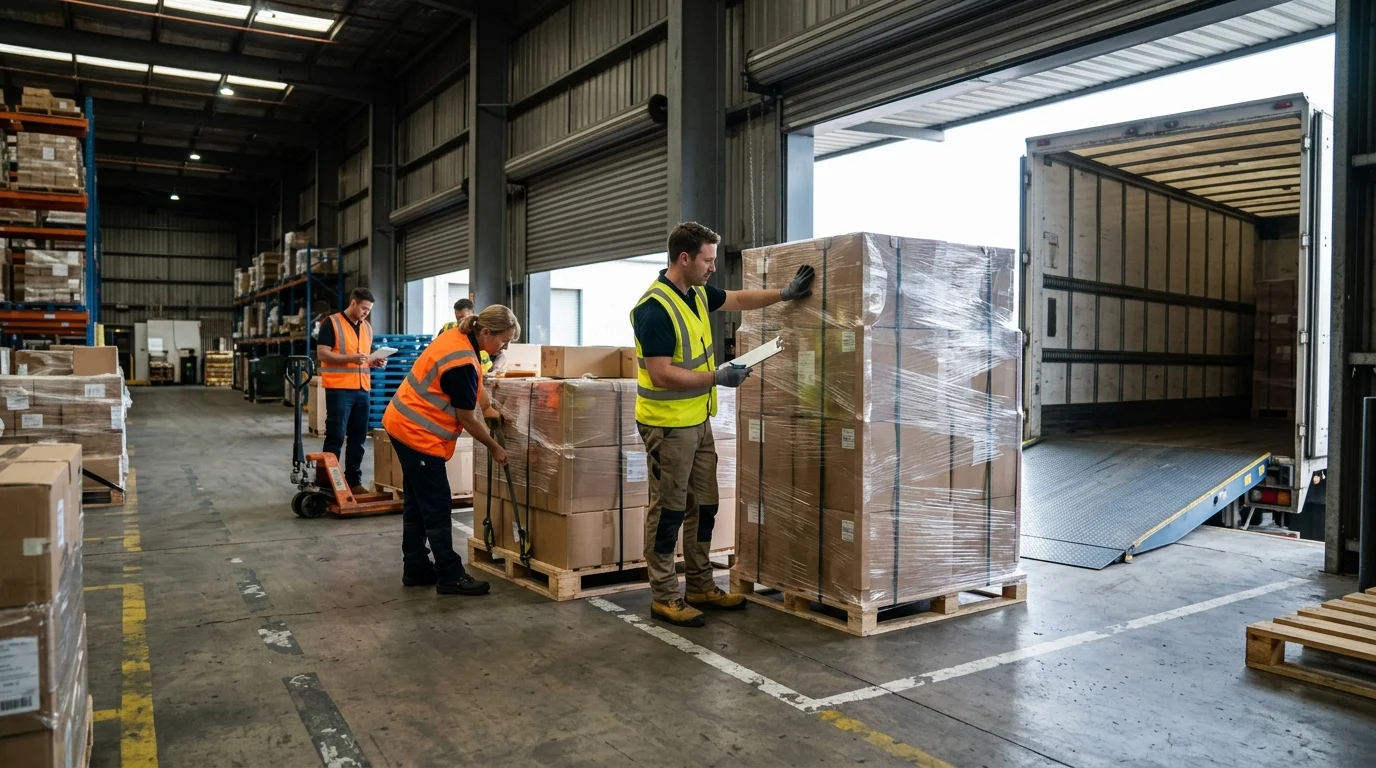
The most common causes of cargo damage include inadequate packaging, incorrect stacking, improper vehicle selection, movement of the cargo within the vehicle and errors made during loading and unloading. Using packaging that is not suitable for the weight or physical structure of the product may not provide adequate protection against impact and pressure during transportation. Similarly, placing heavy products on light or fragile products may increase the risk of deformation and breakage. Particularly in operations where different product groups are transported in the same vehicle, how the loads will come into contact with each other should also be taken into consideration. Therefore, the load must not only fit into the vehicle, but also must be placed so that it can be carried safely along the road.
Sudden changes made during the operation may also increase the risk of damage. Last-minute vehicle changes, disruption of the loading order, or the addition of products that were not originally planned to the vehicle may change the current layout balance. Misuse of forklifts and other loading equipment, improper handling of pallets, or keeping products in unsuitable conditions in the loading area for a long time may also cause damage. Hard braking, sharp bends and rough road conditions during travel also place additional stress on inadequately secured loads. Therefore, damage often occurs not from a single mistake, but from the combination of multiple small risks during the transportation process.
How Do Packaging and Loading Errors Affect Freight Damage?
Packaging is the first layer of protection against impact, vibration, pressure and environmental conditions that the cargo may encounter during transportation. Packaging made without taking into account the size, weight and sensitivity of the product may not provide adequate protection during transportation, even if it looks solid from the outside. If the box is too large, it may cause the product to move within the package, and if it is too small, it may cause constant pressure on the product. In palletized transportation, placing the products on the pallet unbalanced and insufficient fixing may cause the load to shift during movement. It is also important that the product is used in accordance with the way it is transported, as is the quality of the packaging material.
Errors during the loading phase can cause damage even to a correctly packaged product. Placing products haphazardly in the vehicle, ignoring weight distribution, or leaving loads without fixing them increases the risk of movement during transportation. Improper transportation of heavy loads with light products may cause crushing or tipping, especially during braking and cornering. If the loading order is not in accordance with the delivery order, it may result in unnecessary handling at intermediate points and repeated movement of products. Since every additional movement increases the possibility of damage, the loading plan must be prepared to take into account both transportation safety and unloading order.

How Do Vehicles, Roads and Transportation Conditions Increase the Risk of Damage?
Vehicle selection can be a direct determinant in terms of cargo damage. Case size, carrying capacity, suspension structure, ground condition and availability of necessary equipment affect how the load will be protected throughout transportation. Transporting sensitive products in vehicles that will be exposed to high vibration, loading temperature-controlled products into unsuitable vehicles, or not having sufficient equipment to fix the load increases the risk. The technical condition of the vehicle is also important; Worn suspension, uneven chassis floor or problems with door systems can cause unexpected movements during transportation. For this reason, choosing the appropriate vehicle should not be made solely based on capacity calculation.
Road and driving conditions can also change the likelihood of damage. Uneven ground, sudden braking, sharp bends and high speed may cause the loads inside the vehicle to move more. Especially in long-distance transportation, constant vibration along the way can cause damage to sensitive products that is not immediately noticeable from the outside. Weather conditions also pose additional risks for some products; Excessive temperature, humidity or precipitation may cause physical deterioration depending on the nature of the load. Therefore, when preparing a transportation plan, not only the departure and arrival points, but also the structure of the route and the environmental conditions that the cargo may encounter during transportation should be taken into consideration.
What Precautions Can Be Taken to Reduce Cargo Damage in Logistics?
The first step in reducing cargo damage is to correctly define the transport characteristics of the product. Weight, volume, fragility, temperature requirements, stackability and special transport conditions should be known at the planning stage. Based on this information, the appropriate packaging method, vehicle type and loading order can be determined. Checking packaging, pallets and fixing equipment before loading also reduces the risks that may occur during transportation. Examining past damage records, especially in recurring operations, can reveal which products or routes are experiencing more problems.
Basic precautions include placing the vehicle in accordance with standard rules, maintaining weight balance, and securing the loads with appropriate equipment. Informing loading and unloading personnel about product features contributes to the reduction of errors made during handling. When damage occurs, instead of just replacing the product, the cause of the incident should be evaluated together with the vehicle, route, loading method and personnel information. Recurrence of the same type of damage may indicate that there is a systematic problem in the process. Thanks to regular inspection and cause analysis, the risk of damage cannot be completely eliminated, but can be significantly reduced.