What Does the Peak Period Mean in Logistics?
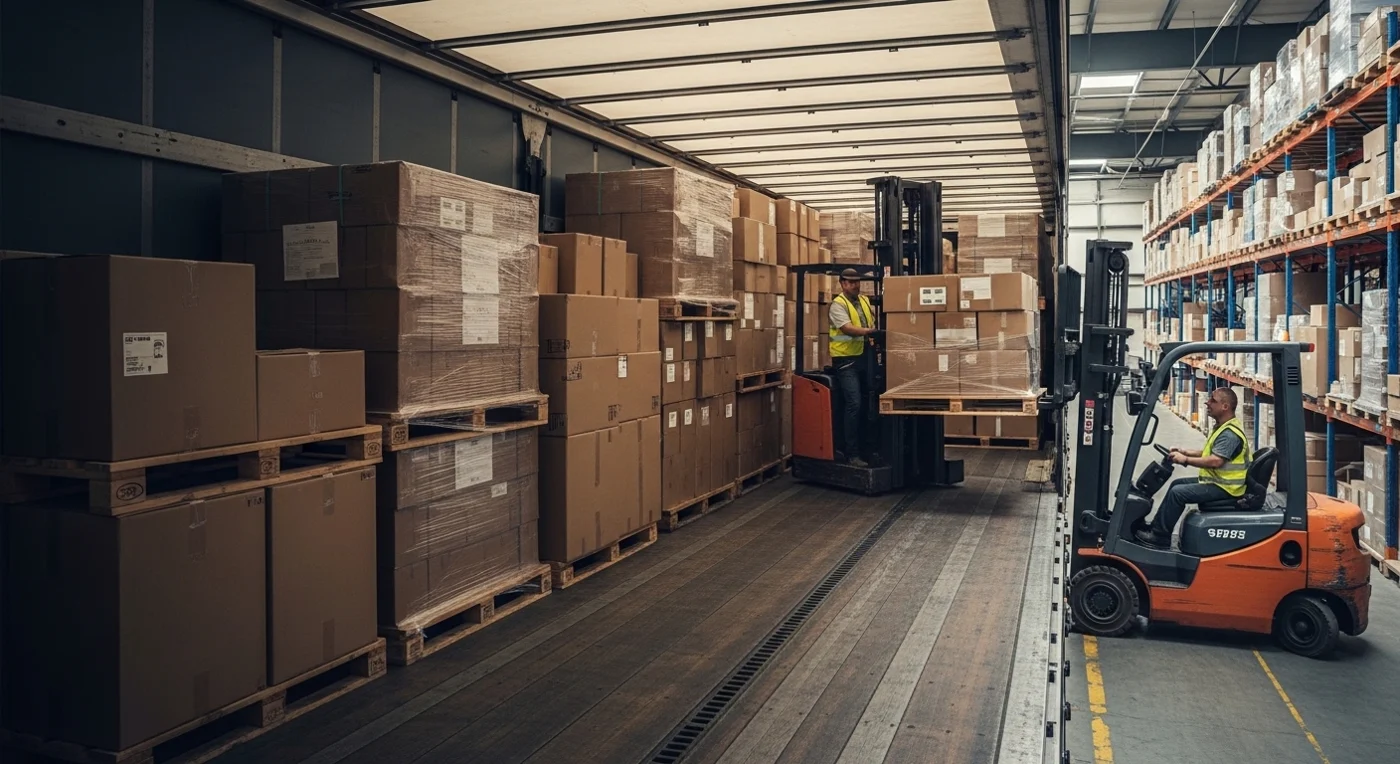
In logistics, the peak period refers to the time periods when the order, shipment, warehouse movement and delivery density significantly exceeds normal levels. These periods generally occur due to campaigns, seasonal transitions, special days, year-end activity or an increase in demand in certain product groups in a short time. The main problem of logistics operations during peak periods is not just processing more orders. At the same time, it is necessary to manage the increasing volume in a controlled manner with the existing vehicle, personnel, warehouse and equipment capacity.
It is not enough to explain the question of what is the peak period simply as "peak season". Not every intensity is considered a peak period. The peak period is the level of intensity that puts significant pressure on the existing operating structure and requires revision of the normal plan. The number of orders may increase, shipments may become more frequent, in-warehouse movements may accelerate, and delivery requests may be squeezed into narrow time intervals. In this case, the standard capacity plan may be insufficient.
Peak periods in logistics can often be predicted in advance. Sales movements in the past years, campaign calendars, season starts and customer order habits can give an idea about which dates the density may increase. However, some peak periods may occur unexpectedly. A sudden increase in demand, an accumulation of orders after an interruption in the supply chain, or a particular product attracting intense interest in a short time may create unexpected pressure on the operation.
Tracking order, shipment, vehicle, stock and operation data together vialogistics software can make it more visible which points are overly concentrated during peak periods. However, technology alone is not enough. In peak period management, capacity limits must be known in advance, alternative resources must be prepared and plans suitable for density scenarios must be created.
In Which Situations Do Peak Periods Occur in Logistics?
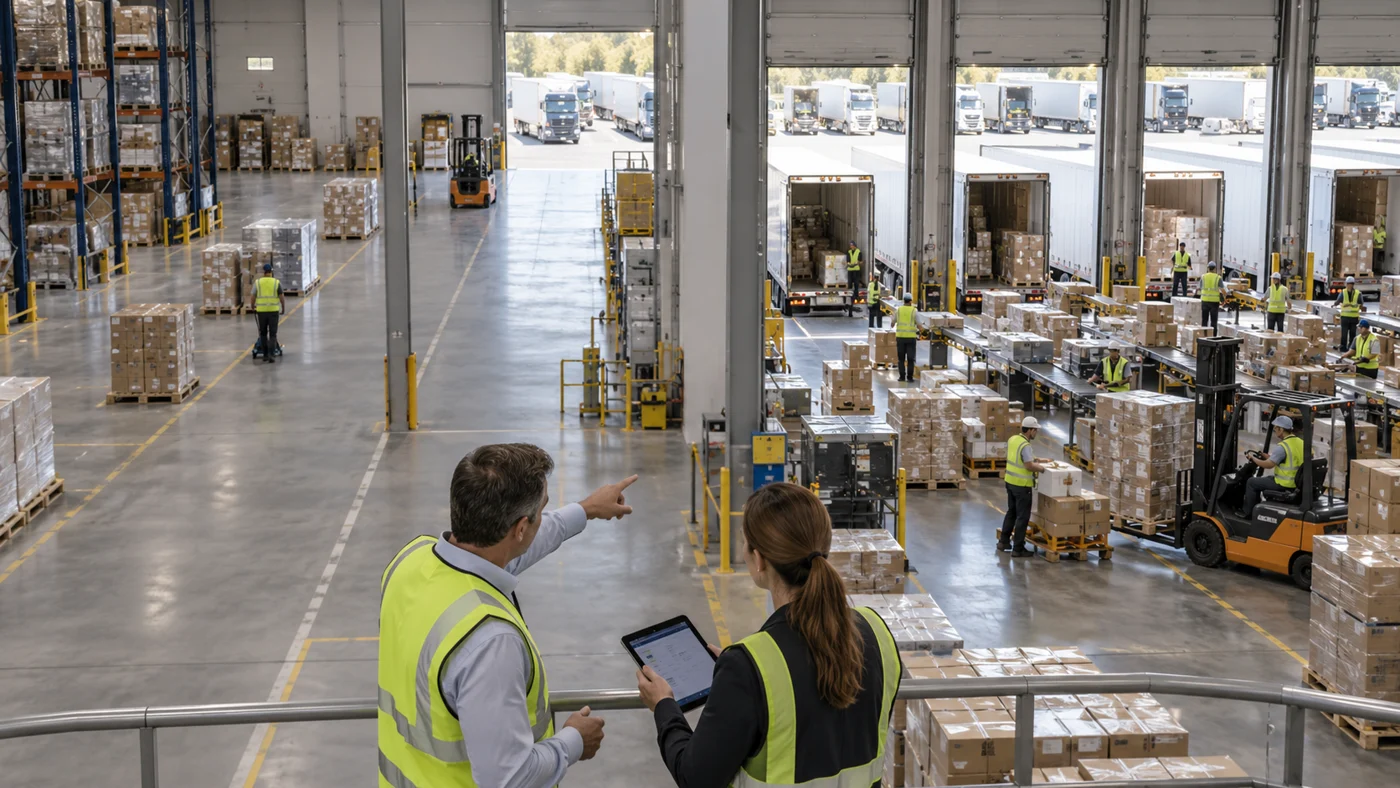
One of the most common times when peak periods occur in logistics is season transitions. The beginning of the summer or winter season, school term, holiday season or sales periods of certain product groups may cause a rapid increase in order volume. Especially in retail and e-commerce operations, seasonal mobility directly affects warehouse and shipping processes.
Campaign periods are also one of the important reasons for peak density. During big discount days, special brand campaigns or mass promotion periods, a large number of orders may occur in a short time. This increase, which seems positive on the sales side, may lead to operational delays if the logistics capacity is not prepared.
The end of the year and special days can also create intensity. Holidays, New Year's Eve, special consumption days or corporate purchasing periods may increase order and shipment volume. During these periods, not only product demand but also customers' expectation of delivery by certain dates increases. This situation increases the time pressure on the operation.
New product launches or fast-growing product groups may also constitute a peak period. Higher sales than expected may cause stock movements and the number of shipments to increase in a short time. If the increase in demand is not predicted correctly in advance, vehicle and personnel capacity may be insufficient.
Temporary peak periods may also occur after supply problems. Orders may be placed on hold when certain products are out of stock for an extended period of time. Processing the accumulated orders simultaneously when the product arrives again can intensify the warehouse and shipping operations in a short time.
Regional demand increases may also create a peak period. Even if the total order volume does not seem very high, increasing deliveries to certain cities or regions may strain vehicle and route capacity. For this reason, the peak period should be evaluated not only in terms of general volume but also in terms of geographical density.
Some peak periods may last very short periods of time, while others may continue for weeks. A one-day campaign and a season-long intensity should not be managed in the same way. The duration of the intensity determines which resources should be increased temporarily and which resources should be increased for the longer term.
How Does Order and Shipment Density Change During Peak Periods?
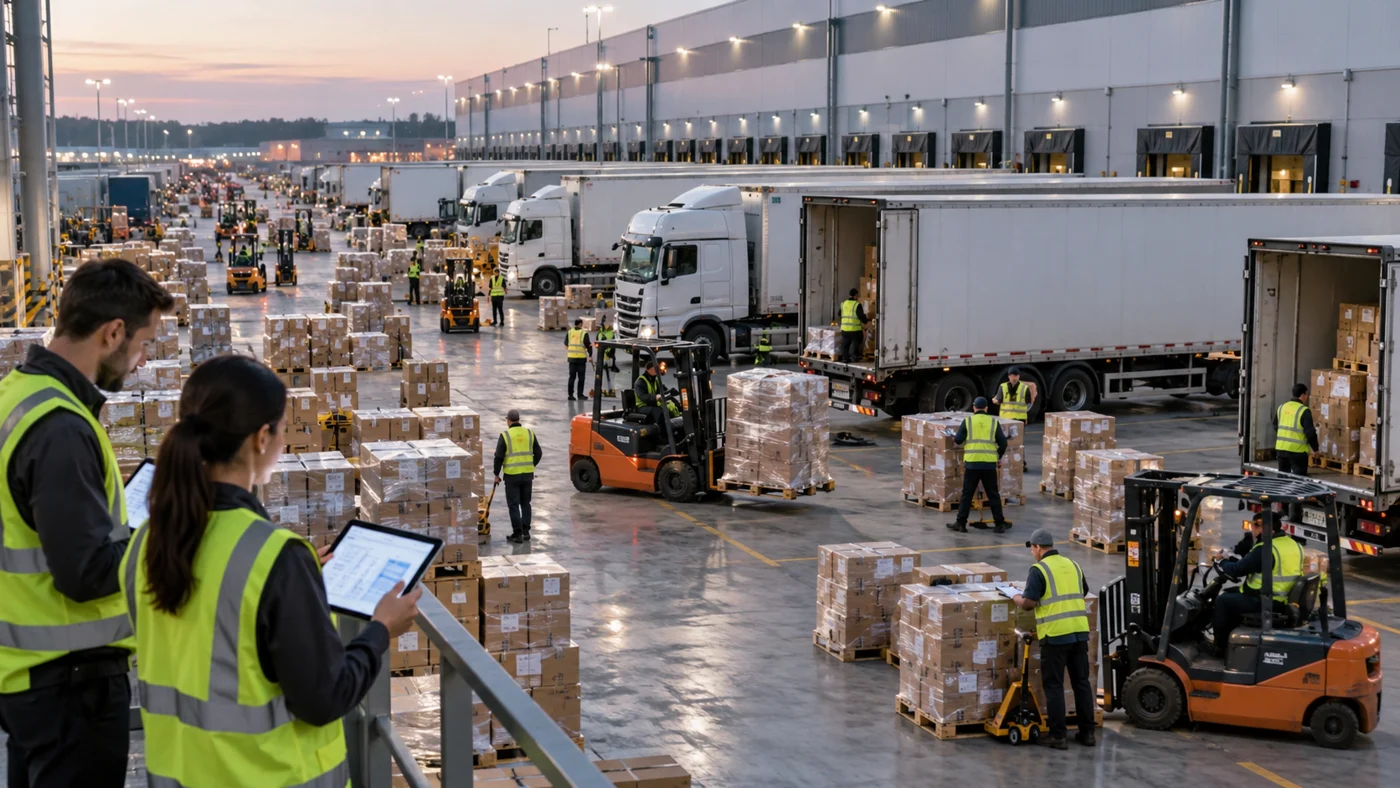
During peak periods, order density generally exceeds normal operating levels. However, the real change is not only in the number of orders. The speed at which orders enter the system, product variety, delivery expectations and processing priorities may also change. Creating large amounts of orders in a short time on the same day can significantly increase the workload of warehouse and planning teams.
Breaking orders into smaller pieces can also increase density. More small orders mean more picking, packaging, labeling and delivery, even if the total product quantity remains similar. For this reason, peak period performance should not be evaluated only on total product volume.
The number of shipments may also increase in parallel with the order density. More orders may require increased vehicle throughput or higher occupancy of existing vehicles. The route plan can become more complex when multiple deliveries occur in the same area.
Narrowing delivery time intervals increases the pressure on the operation. During peak periods, order volume increases as customers maintain their expectation of fast delivery. In this case, vehicle planning, loading order and delivery priority should be done more carefully.
When shipment density increases, loading areas and ramps are used more. Loading capacity, which is sufficient during the normal period, may create a bottleneck during the peak period. Vehicles arriving at the facility at the same time may increase waiting times.
During peak periods, the shipment plan may be updated more frequently. New orders, delivery changes or lack of capacity may require subsequent intervention in the current plan. This makes it necessary for planning teams to work more dynamically.
When order and shipment density increases together, the impact of small errors also grows. Errors such as incorrect product preparation, incorrect tool assignment or missing documentation can affect a larger number of operations. Therefore, protection of control mechanisms is as important as speed.
How Do Peak Periods Affect Warehouse, Vehicle and Workforce Capacity?
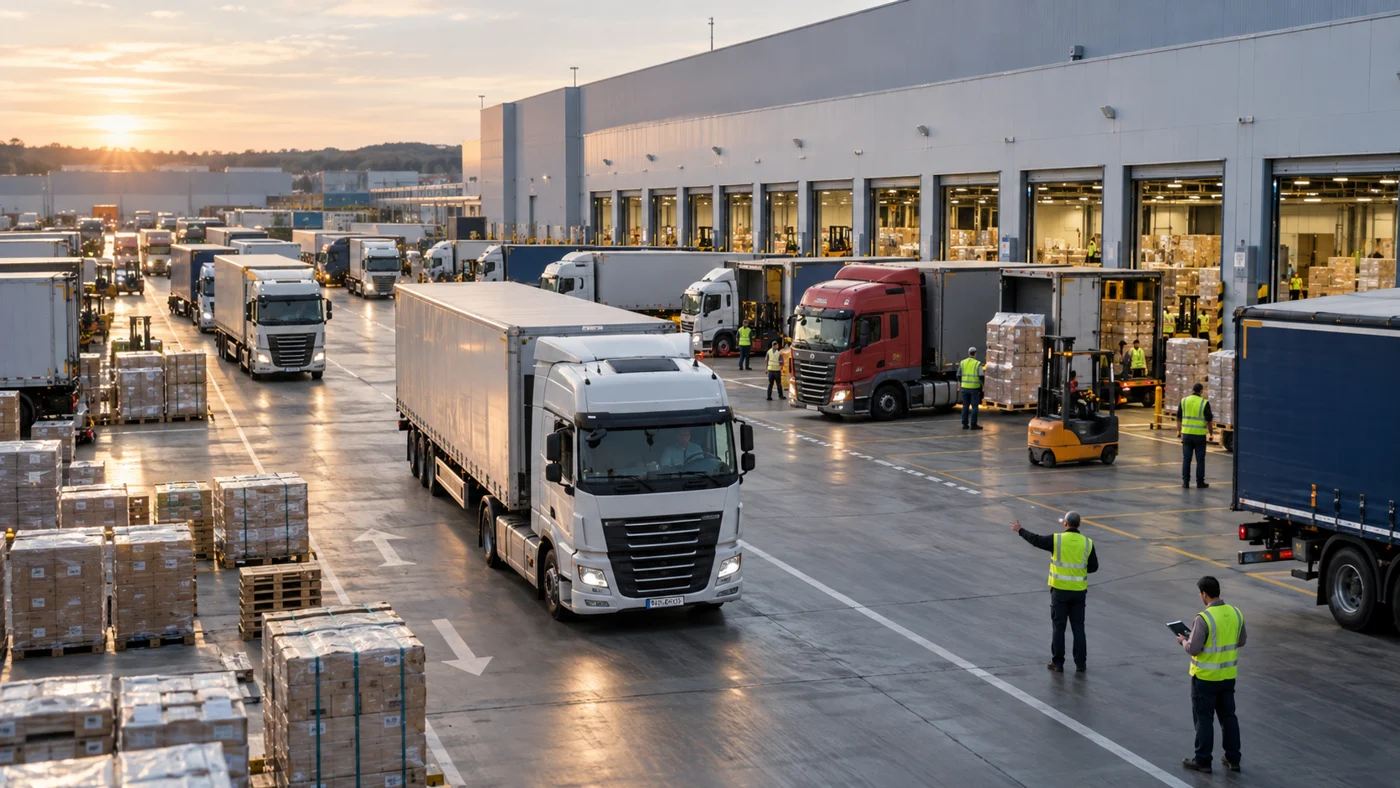
The first effect of peak periods on warehouse capacity is the increase in transaction volume. More product receipts, more order picking, more packaging and more shipping preparation are required. Even if the warehouse space is physically sufficient, the operation may slow down if personnel or equipment capacity is insufficient.
Congestion may occur in collection and packaging areas. When preparing a large number of orders at the same time, employees' space for movement may be reduced and the risk of product mixing may increase. For this reason, in-warehouse workflow and task distribution should be replanned during peak periods.
Vehicle capacity is also directly affected by density. The number of available vehicles may be sufficient for the normal period, but during the peak period, more shipments may be needed on the same day. In this case, additional vehicle use or external carrier support may be required.
It is also important to manage vehicle occupancy rates correctly. Due to density, sending vehicles for shipment at low occupancy to ensure rapid delivery may increase the cost. On the other hand, excessive occupancy may negatively affect the delivery order and operation time. Therefore, a balance must be established between speed and capacity efficiency.
Workforce capacity is one of the areas under the most pressure during the peak period. Warehouse workers, drivers, scheduling teams and customer service may face higher workloads at the same time. Understaffing can increase the risk of overtime, fatigue and errors.
During busy periods, simply increasing the number of employees may not be enough. If new or temporary employees do not know the process, it can increase the error rate. For this reason, job descriptions, training and team distribution should be planned before the peak period.
Equipment such as forklifts, pallet trucks, handheld terminals and loading ramps may also reach the capacity limit. Even if the personnel is sufficient, if the number of equipment is insufficient, processing times may be longer. For this reason, the capacity plan should not be limited to vehicles and human resources only.
If the peak period lasts for a long time, the continuous use of resources at high capacity may increase the need for maintenance. Intensive work of vehicles and equipment may increase the risk of malfunction. For this reason, maintenance plans should be arranged according to the busy period.
What Planning is Made to Prepare for Peak Periods?
The first step in peak period preparation is to examine historical density data. It should be analyzed on which days the order volume increased in previous periods, which products moved more, and in which regions the delivery density occurred. This data helps estimate the approximate size of the upcoming intensity.
Campaign and sales plans should be shared with logistics teams in advance. High-volume campaigns created on the marketing or sales side should not be planned independently of logistics capacity. When the expected number of orders is known in advance, warehouse, vehicle and personnel capacity can be prepared accordingly.
Alternative capacity sources should be identified. Additional vehicles, external carriers, temporary personnel or additional shift options can be made available before the rush begins. Seeking resources after the peak period begins may increase costs and delay intervention.
Product placement in the warehouse can also be reviewed before rush hour. Moving the items most expected to be ordered to more easily accessible areas can reduce picking time. Additional capacity can also be created in packaging and shipping areas.
Personnel shifts should be adjusted according to the order density. If it is known that the density increases especially at certain hours, the workforce can be distributed according to these hours instead of using the same personnel capacity all day.
Vehicle and route plans can be prepared with alternative scenarios. When the order volume is higher than expected, it can be determined in advance which routes will be divided, in which regions additional vehicles will be deployed and which carriers will be commissioned.
Stock preparation is also part of peak period planning. The stock level of products whose demand is expected to increase should be checked in advance. Even if the warehouse and vehicle capacity is ready, not having enough stock prevents customer demands from being met.
Priority rules must be determined. When there is a capacity shortage, it should be clear which orders will be prepared first or which deliveries will have priority. Leaving these decisions to personal interpretation at times of intensity may disrupt the consistency of the operation.
During the peak period, it is useful to monitor performance daily or even hourly if necessary. The plan can be updated by monitoring the number of pending orders, products ready for shipment, vehicle occupancy and delivery delays. Thus, problems can be noticed while the operation is ongoing, not after the intensity is over.
The purpose of peak period management is not just to activate more resources. The main goal is to maintain service quality as much as possible by distributing the increased volume evenly between existing and additional resources. Busy periods can be managed in a more controlled manner thanks to advance capacity planning, alternative resource preparation and real-time monitoring.