What Does Transport Constraint Mean in Logistics?
Transportation restriction in logistics refers to the operational or legal conditions that limit a load by which vehicle, over which route, at what time and under what conditions. These restrictions may arise from the physical characteristics of the load, vehicle capacity, road conditions, delivery times or legislation. Therefore, transportation planning is not just about determining the starting and destination points of a load; All necessary conditions must be evaluated together to carry out the transportation.
When transportation restrictions are ignored, the planned shipment may not be implemented in the field. Insufficient vehicle capacity, the inability to transport the load with certain vehicle types, a weight or height limitation on the route, or the delivery point only accepting vehicles at certain hours may cause the operation to be rescheduled. This may cause loss of time, additional costs and delivery delays.
Transportation restrictions in logistics are not a situation that only occurs in large or special loads. In standard transportation operations, there may be many restrictions such as vehicle type, number of pallets, loading order, delivery time, driver working time and route characteristics. As the operation grows, evaluating these conditions simultaneously becomes more complex.
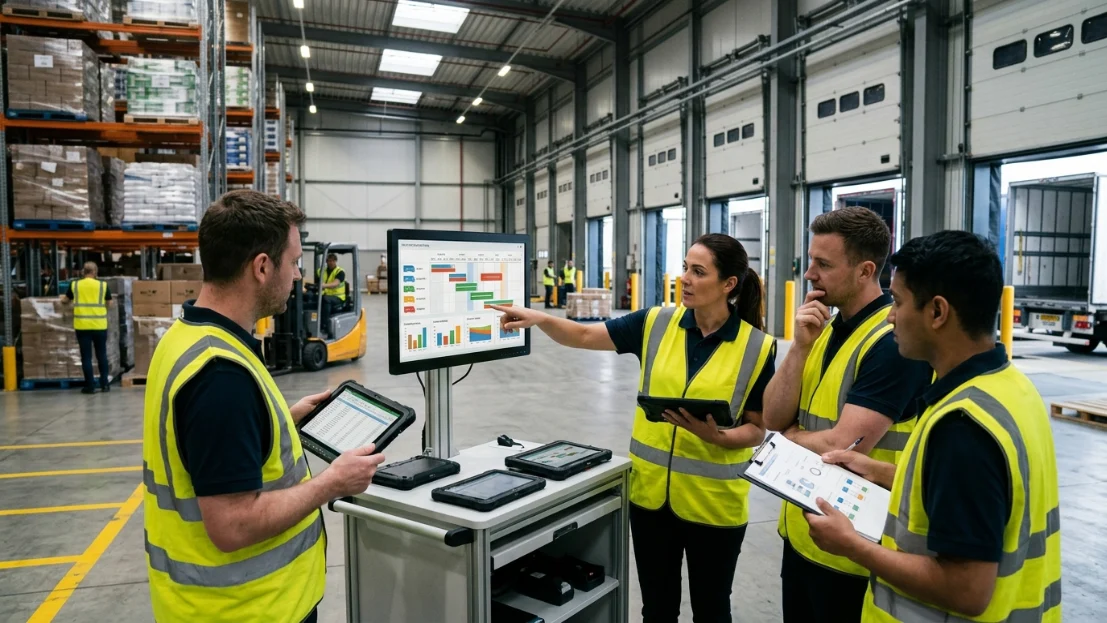
Evaluating load, vehicle, route, time and operation conditions together throughLogistics software can help detect inappropriate plans earlier. However, the rules to be used in the system must be defined correctly. An incorrectly or incompletely defined constraint may result in transportation plans that seem technically possible but cannot be implemented in the field.
What Transportation Restrictions Are Encountered in Logistics Operations?
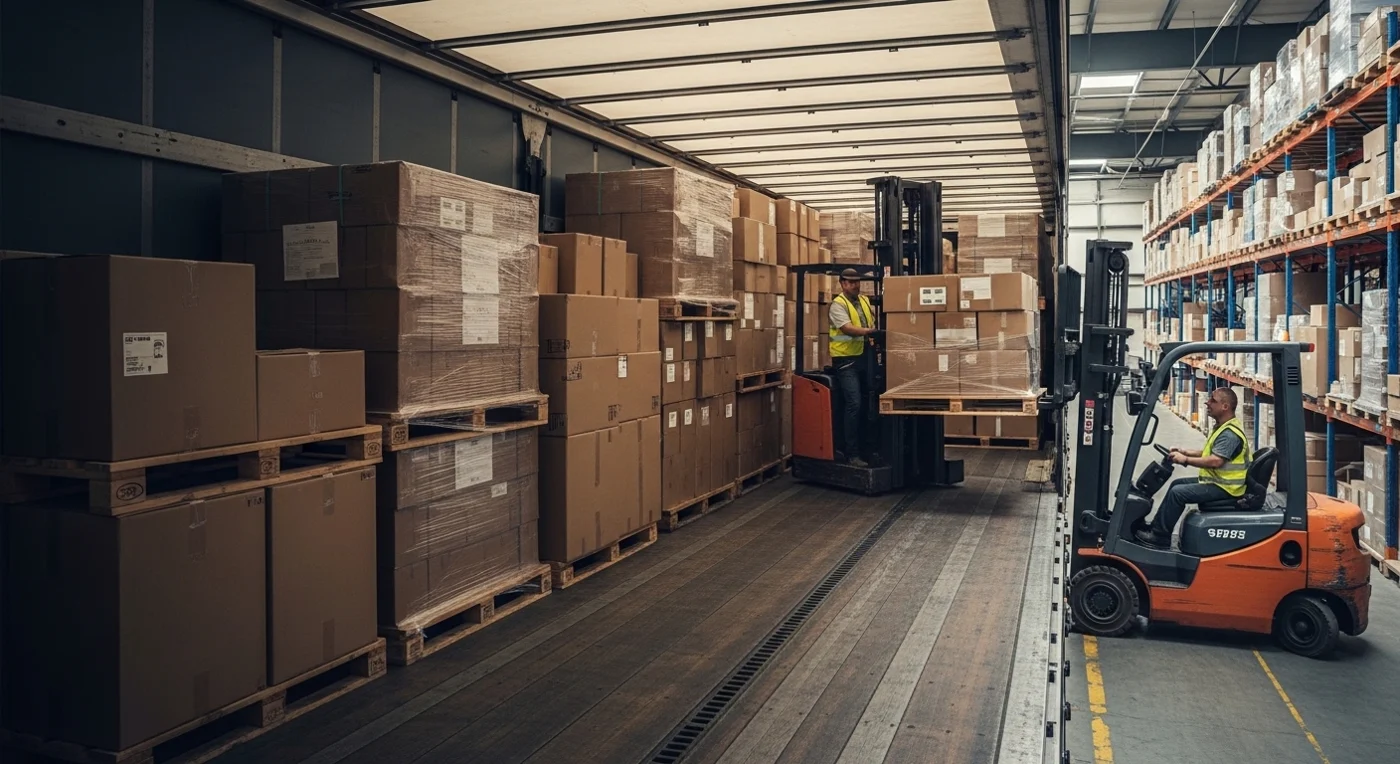
One of the most common constraints in logistics operations is the capacity constraint. The maximum weight, volume and amount of load that each vehicle can carry is different. Even if the total weight of the load does not exceed the vehicle capacity, it may not physically fit in the vehicle due to the number of pallets or volume. Therefore, weight and volume values should be evaluated together.
Vehicle type also creates an important constraint. While some loads can be transported with standard closed box vehicles, some may require refrigerated vehicles, tankers, open bodies or special equipment. The characteristics of the load directly limit the type of vehicle suitable.
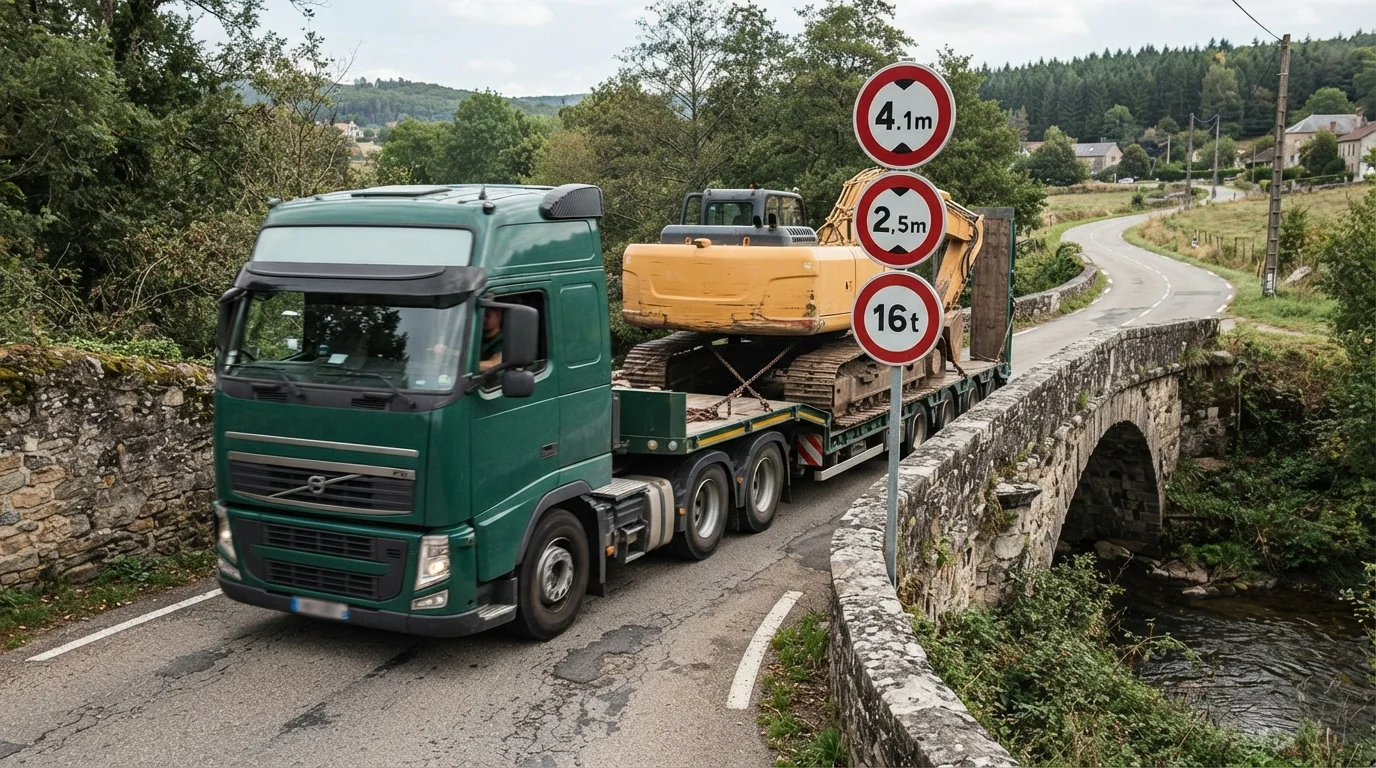
Physical conditions of delivery points may also create transportation restrictions. Not every vehicle may be able to reach the delivery point due to narrow streets, low bridges, limited maneuvering areas or facilities that do not allow certain vehicle sizes.
Time constraints are also common in operations planning. The customer's acceptance of delivery only at certain hours, appointment loading at warehouses, or limiting vehicle entry hours in the city directly affect the transportation plan.
There are also restrictions depending on the nature of the load. Shipments such as hazardous materials, perishable goods, high-value cargo or sensitive equipment may require different transportation conditions. For such loads, vehicle features, driver qualifications and available routes may be more limited.
Driver and working time are also constraints to consider. In long-distance transportation, the driver's working and rest periods may affect the operation plan. A route that seems possible on paper may not be completed on the same day in terms of driving time.
Capacity, time, vehicle, route and load features come into play simultaneously in most operations. For this reason, constraints should be evaluated holistically, not independently of each other.
How Do Load and Vehicle Characteristics Determine Transportation Restrictions?
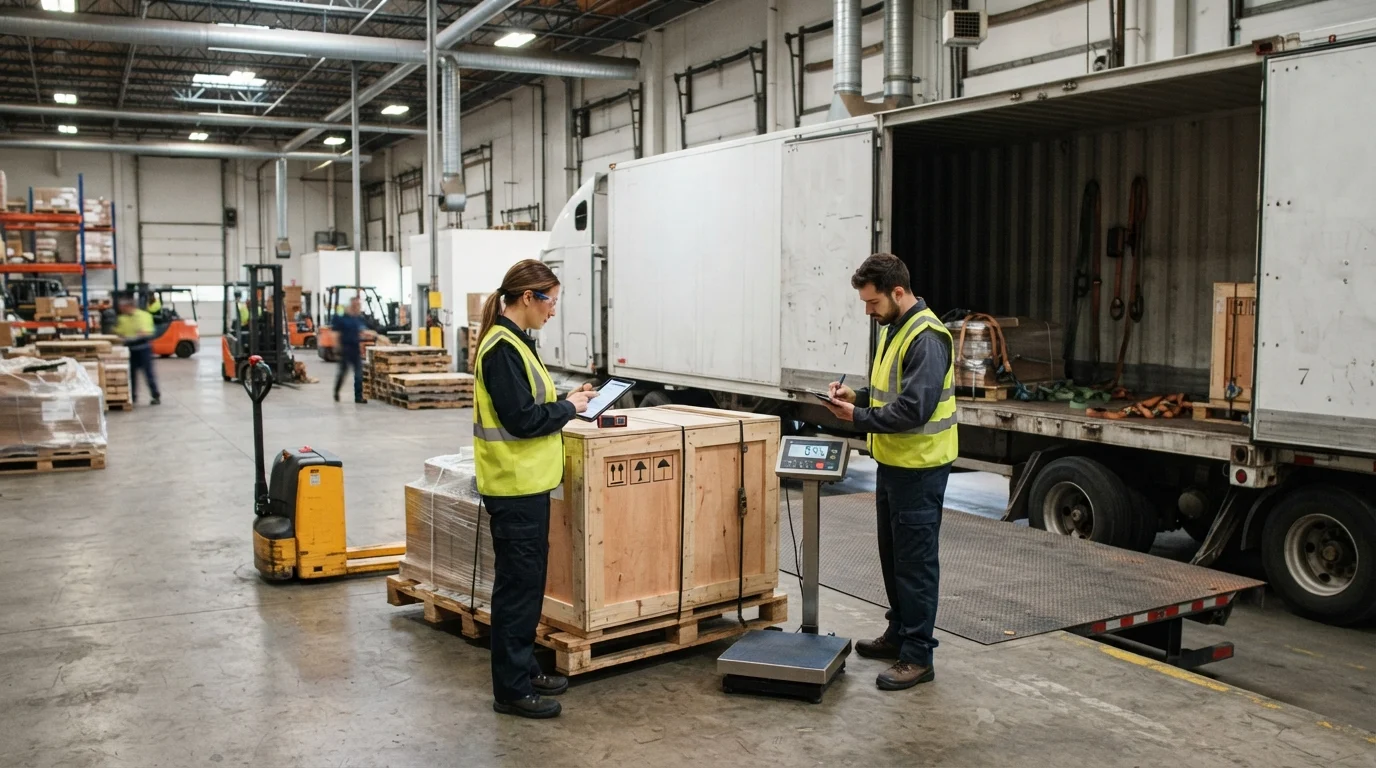
The weight of the load is one of the main factors that determine the transportation restrictions. Since vehicles have legal and technical carrying capacities, the total load weight must remain within these limits. How the weight is distributed on the vehicle is also important; Unbalanced placement of the load may cause problems in terms of safety and driving.
Volume is just as important as weight. Lightweight but large-volume products can completely fill the transport space without reaching the vehicle's weight limit. For this reason, planning based only on tonnage does not accurately reflect the real capacity in some operations.
The dimensions of the products also affect the choice of vehicle. Long or wide loads outside standard pallet sizes may require special vehicles, flatbeds or different loading equipment. Products exceeding the height limit may not be transported on some routes due to bridges or tunnels.
The physical structure of the load also determines the transportation conditions. Standard vehicles may not be sufficient for fragile, liquid, temperature controlled or hazardous loads. For example, for temperature-sensitive products, tools that can maintain a certain temperature range must be used.
Vehicle features also directly affect transportation restrictions. The vehicle's carrying capacity, body type, internal dimensions, door height, loading method and equipment features limit the type of load it can carry.
The way of loading and unloading can also affect vehicle selection. For products that need to be loaded from the side with a forklift, using only a vehicle with a rear door may make the operation difficult. Similarly, if the ramp height or loading equipment is not compatible with the vehicle, the transportation plan may change.
Load and vehicle compatibility should not be evaluated solely on physical fitness. Transport must be safe, legal and operationally feasible. Therefore, load information must be fully defined and compared with vehicle features.

How Do Route, Time and Regulatory Restrictions Affect the Operation?
Route constraints determine which routes the transportation operation can be carried out. Heavy vehicles may be prohibited on some roads, there may be a weight limit on certain bridges, or some tunnels may not be usable due to vehicle height. This may cause longer alternative routes to be preferred.
Hour-based entry and exit restrictions are also an important factor in urban operations. The fact that heavy commercial vehicles can only move in certain regions at certain hours may directly affect delivery times.
Road works, temporary closures or seasonal conditions may also create temporary transport restrictions on the route. Especially in long-distance operations, the planned route may not be available on the transportation day and an alternative route may be required.
Delivery time windows are also a significant time constraint. If the customer accepts a delivery within a certain time interval, it may affect the order of other deliveries of the vehicle on the route. In multi-point distribution, time windows of different customers may overlap on the same route.
The obligation to make an appointment at loading points also affects planning. Even if the vehicle reaches the facility early, it may not be loaded before the appointment time. In case of delay, a new appointment may be required.
Legislative restrictions become especially important in vehicle weight, driving time, dangerous goods transportation and special loads. Even if the vehicle is technically capable of carrying out transportation, the operation cannot be performed if the legal conditions are not met.
In border crossings and international transportation, documents, permits and country-based regulations may also create transportation restrictions. The same vehicle and load may be subject to different rules in different countries.
For this reason, route, time and regulatory conditions should not be seen as details to be checked at the final stage of the transportation plan. These elements should be taken into account from the beginning of planning.
How to Manage Transport Constraints in the Planning Process?
The first step in managing transport constraints is to clearly define the constraints. Load weight, volume, vehicle type, delivery time, route conditions and legal requirements must be entered correctly into the system before the operation begins.
Mandatory and preferred conditions can be distinguished during planning. For example, while not exceeding the vehicle capacity is a mandatory constraint, choosing a particular vehicle may be an operational choice. This distinction makes it easier to evaluate suitable alternatives.
Vehicle and load matching is one of the basic stages of constraint management. The weight, volume and special transportation needs of the load must be compared with the appropriate vehicle specifications. Excluding unsuitable tools from the plan from the very beginning can reduce changes that may occur in later stages.
Physical and legal restrictions should also be checked in route planning. The use of roads that are not suitable for vehicle weight or height should be prevented, and crossing times and alternative routes should be evaluated in advance.
Time constraints should be taken into account when determining the order of delivery. Deliveries with a specific time window can be prioritized within the route. In this way, unnecessary waiting for vehicles at customer points or missing delivery times can be reduced.
It is also important to prepare alternative scenarios against plan changes. In cases such as vehicle malfunction, route closure or delivery time change, which alternative vehicle or route will be used can be determined in advance.
Constraints need to be updated regularly. Vehicle capacity, customer acceptance hours, route information or regulatory conditions may change over time. Planning made with outdated constraints may lead to erroneous results during the operation.
It is also useful to compare actual operations with planned conditions. If there is a constraint violation or plan change constantly at the same point, the rules used may need to be re-evaluated.
The purpose of transport constraints is not to limit the operation unnecessarily, but to create a feasible transport plan. When load, vehicle, route, time and regulatory conditions are evaluated together, transportation plans become more realistic and the need for revision that may arise during the operation can be reduced.