What Does the Voyage Cycle Mean in Logistics?
The voyage cycle in logistics is the process that starts from the preparation of a vehicle for a voyage within the scope of the determined operation and covers all stages of loading, transportation, delivery and return. This cycle includes not only the time the vehicle spends on the road; It includes all the steps from preparation of the load, arrival of the vehicle to the facility, loading operations, start of shipment, completion of delivery and until the vehicle becomes usable again. Therefore, the voyage cycle is an important indicator in evaluating transportation operations in terms of duration and capacity.
Length of the voyage cycle; The route may vary depending on many factors such as number of delivery points, loading and unloading times, traffic conditions, vehicle type and operational intensity. Two vehicles traveling the same distance may complete the trip cycle in different times due to different operation structures. Therefore, looking only at mileage or travel time is not enough to evaluate actual operational performance.
Knowing how long vehicles remain on active duty in logistics operations directly affects the planning of new shipments. If a vehicle cannot be assigned to a new task before completing its voyage, the longer the cycle time may result in reduced fleet capacity. On the other hand, more balanced management of the loading, delivery and return phases can contribute to the completion of more operations with the same vehicle fleet.
When the start and end times, loading times, delivery points and return movements of the vehicles are tracked together throughlogistics programs, it can be more easily seen at which stages of the voyage cycle time loss occurs. Thus, not only the total voyage time, but also the operations that constitute this time can be analyzed.
What Stages Does a Logistics Expedition Consist of?
A logistics expedition usually begins with operational preparation. After the order or transportation request is created, the amount, weight, volume, delivery point and transportation conditions of the cargo to be transported are determined. In line with this information, the appropriate vehicle is selected and a shipment plan is created.
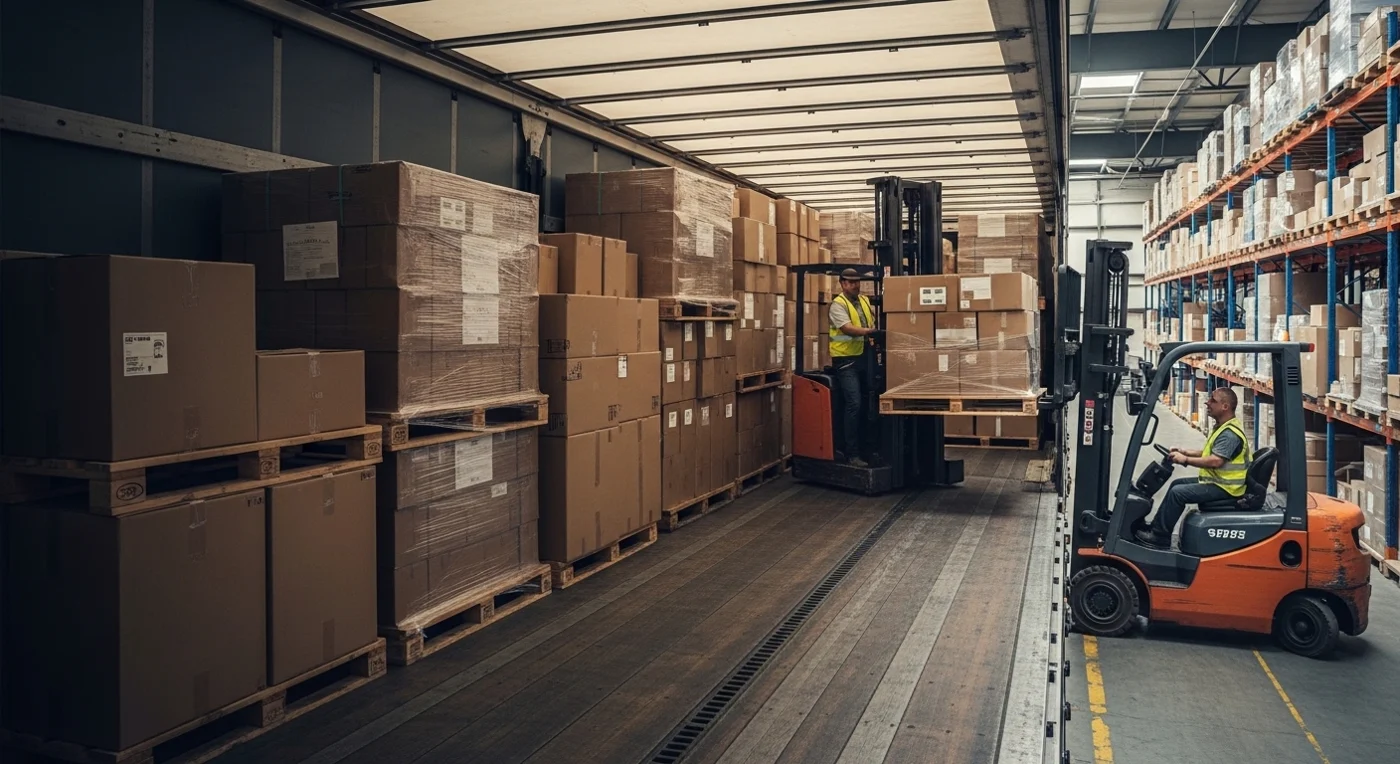
After vehicle assignment, installation preparation begins. Getting the products ready for shipment, completing the necessary documents and preparing the loading area are carried out at this stage. When the vehicle arrives at the facility, the loading process begins. Extending the loading time may cause the voyage cycle to exceed the planned time before it even starts.
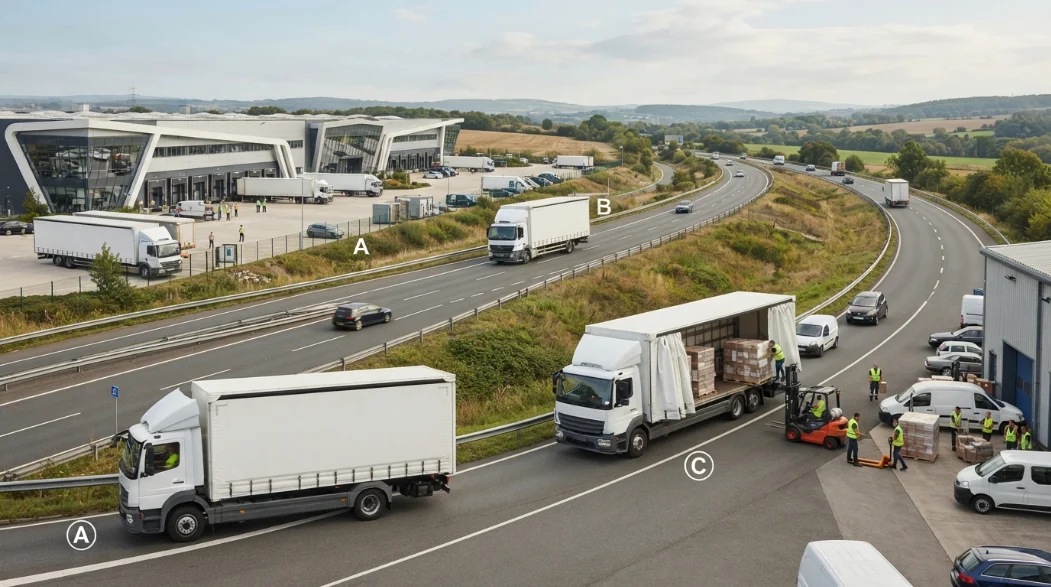
After the installation is completed, the transportation phase begins. The vehicle moves to the delivery point along the determined route. Travel time; It may be affected by distance, traffic, road conditions, driving restrictions and delays that may occur during operation. If there is more than one delivery point, each stop along the route is added to the total duration of the cycle.
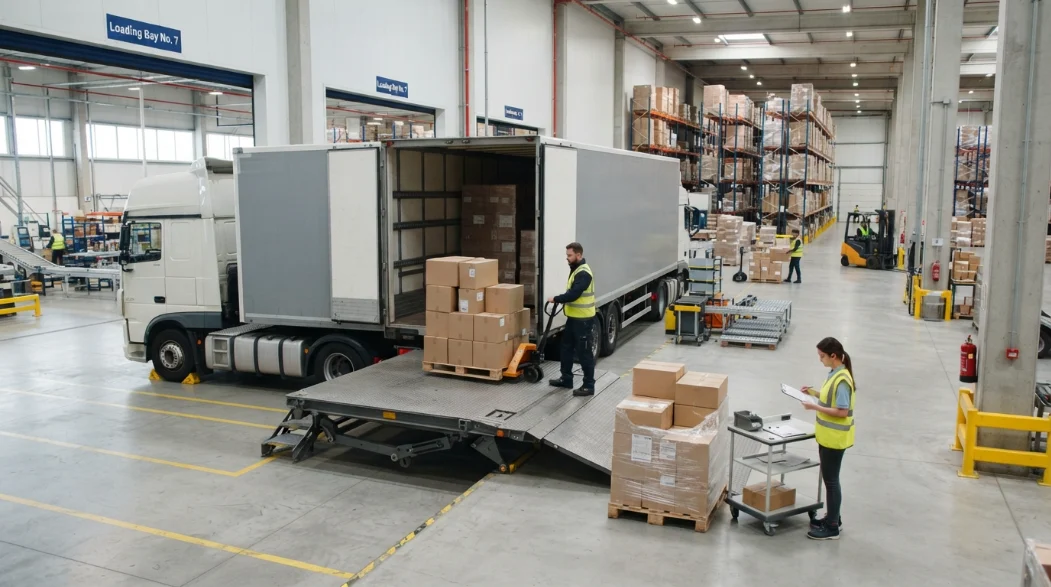
Unloading and delivery operations are carried out at the delivery point. It takes a certain amount of time for the product to be received, checked, documents completed if any, and the vehicle getting back on the road. Especially in busy facilities, ramp or unloading area waiting times can significantly increase the total trip time.
The last stage of the expedition is the return of the vehicle. After delivery, the vehicle can return directly to the starting point, be diverted to a different point to pick up another load, or be assigned to a new shipment. For this reason, the end point of the voyage cycle may not always be the facility where the vehicle first leaves.
When the expedition is completed, the actual durations should be recorded. Comparing planned and actual voyage times allows more realistic time estimates for subsequent operations. Thus, it can be understood at what stages recurring delays occur.
How to Determine Expedition Start and End Points
The starting point of the trip is usually the facility, warehouse, production area or distribution center where the vehicle picks up the load. However, depending on the operation structure, the starting point can also be defined as the point where the vehicle receives the task order or goes into active operation. For this reason, businesses need to clearly determine which operational moment they measure the start of the voyage from.
For example, if a vehicle is moving from a certain parking lot to the warehouse in the morning and starts the delivery route after loading at the warehouse, the start time of the trip can be evaluated in different ways. Considering only the exit after loading as the start may exclude the movement of the vehicle before the depot from the measurement. This may lead to incomplete evaluation of fleet usage time.
The end point may also vary depending on the operating model. While some businesses consider the time when the delivery is completed as the end of the trip, others wait for the vehicle to return to the center. If the vehicle's return trip after delivery cannot be used for a new operation, including this time in the voyage cycle can provide a more realistic capacity assessment.
Determining trip limits becomes more complex in operations with more than one delivery or loading point. If the vehicle picks up a new load from another point after delivering a load, where the first voyage ends and the new voyage begins should be defined in advance.
Standard determination of start and end points ensures that performance analyzes are comparable. Otherwise, in some voyages only the transportation time can be measured, and in some voyages the entire operation time can be measured. This makes accurate comparison of vehicle and route performances difficult.

How Does the Trip Cycle Affect Vehicle Usage and Operation Time?
The trip cycle directly affects vehicle availability. The longer a tool is left at one time, the less total tasks it can complete in a day or week. Therefore, it is important to keep the cycle time under control for businesses that want to perform more operations with the same number of vehicles.
The reason for the extended journey time is not always long distance. The vehicle may wait a long time at the loading area, there may be an unloading queue at the delivery point, or the planned route may create unnecessary kilometers. These periods prevent the vehicle from being assigned to other operations even though it is not moving.
For example, in a two-hour transportation operation, if the vehicle waits one hour for loading and two hours at the delivery point, the total trip cycle may exceed five hours. Planning based solely on travel time may overestimate the number of trips the vehicle can make on the same day.
The trip cycle also affects drive uptime. Travel, waiting, loading and unloading times are all part of the work plan. For this reason, vehicle capacity and driver capacity should be evaluated together.
Extended shipping cycles may cause delays in new shipments. Delay of a vehicle that is expected to return at the scheduled time may cause the next load prepared for this vehicle to also be delayed. Thus, the delay occurring in a single operation can be transferred to other operations during the day.
Short and balanced voyage cycles can help increase fleet utilization rate. However, the aim is not only to reduce the voyage time as much as possible. Unnecessary waiting and unplanned movements must be reduced by maintaining safe transportation, delivery quality and operational conditions.
What Can Be Done to Manage the Campaign Cycle More Efficiently?
In order to improve the voyage cycle, it must first be determined at which stages the duration becomes longer. When loading, journey, delivery, unloading and return times are analyzed separately, the stages that cause the most loss in total time can be seen more clearly.
Planning loading times in line with vehicle arrival times is an important step. If the vehicle arrives at the facility before the load is ready, unnecessary waiting occurs. Likewise, if the vehicle is delayed even though the load is ready, shipment accumulation may occur in the warehouse area.
Route planning also affects the voyage cycle. Appropriate ordering of delivery points, reducing unnecessary distance and taking into account peak traffic hours can shorten the total operation time. In multi-stop operations, even small route changes can create a significant time difference at the end of the day.
Waiting times at delivery points should also be monitored. If certain customers or facilities experience consistently long waits, appointment times, delivery time slots or operation agreements may be re-evaluated.
The return process of vehicles should also be part of the planning. Instead of returning to the center empty after delivery, taking the return load when appropriate can improve both vehicle usage and overall trip economy. However, the return load should not delay the main operation.
Voyage performance should be analyzed not only on individual vehicles, but also on the basis of route and operation type. While long journey times may be normal on some routes, unnecessary waiting may be a sign of serious inefficiency in some short-distance operations.
More accurate voyage standards can be established when planned and actual times are compared regularly. Thus, it is more realistic to estimate when the vehicles will be ready for the new mission and the fleet capacity can be used in a more controlled manner.