What Does Interim Bill of Lading Mean?
Intermediate bill of lading is an additional transport document issued when the cargo is transported by more than one carrier before reaching its final destination. It usually occurs in multimodal transportation, that is, in processes where more than one transportation type such as land, sea, air or railway is used together. This document officially records that the cargo is taken over from the first carrier at the next stage and under what conditions it is transported in that section. Thus, each carrier can document the transportation process within its area of responsibility. The intermediate bill of lading both ensures trust between the parties and helps the process to proceed regularly by increasing the traceability of transportation.
In which types of transportation are intermediate bills of lading used?
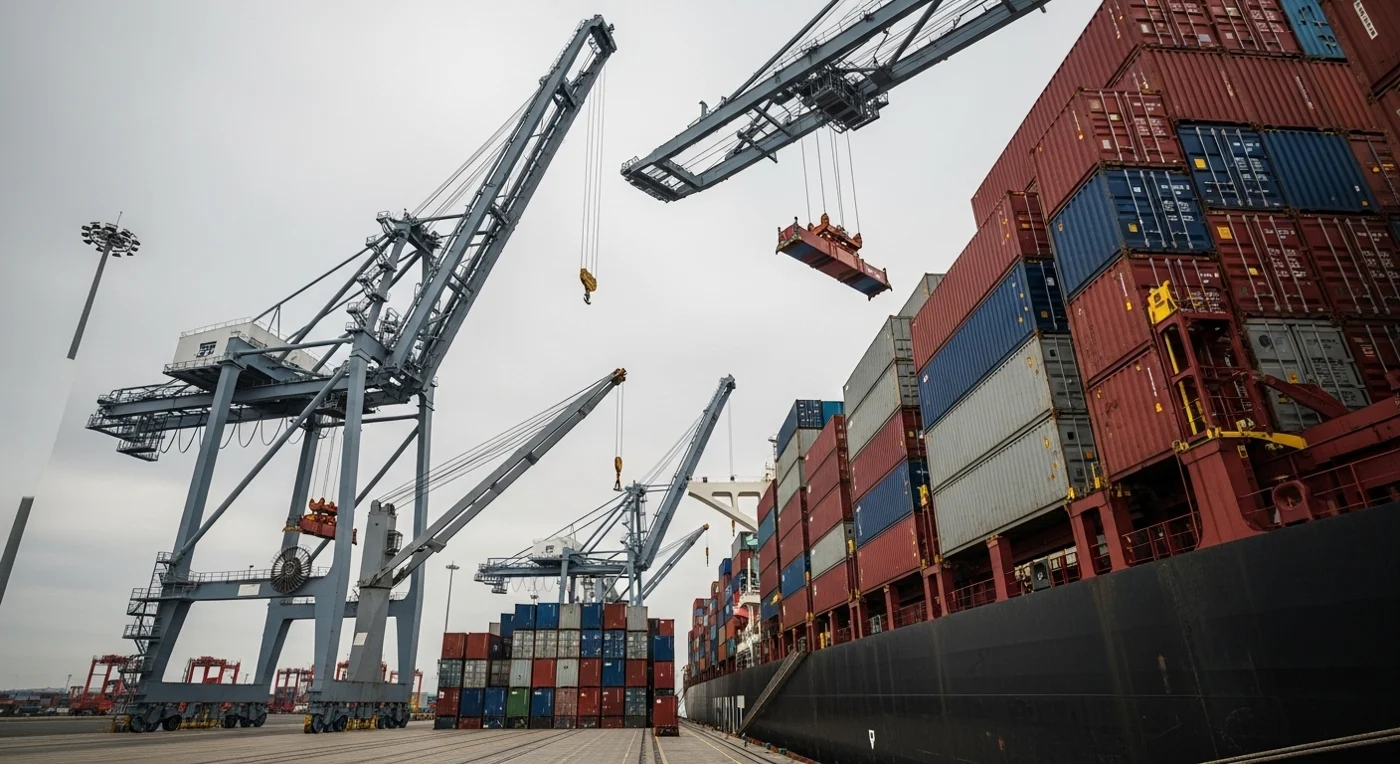
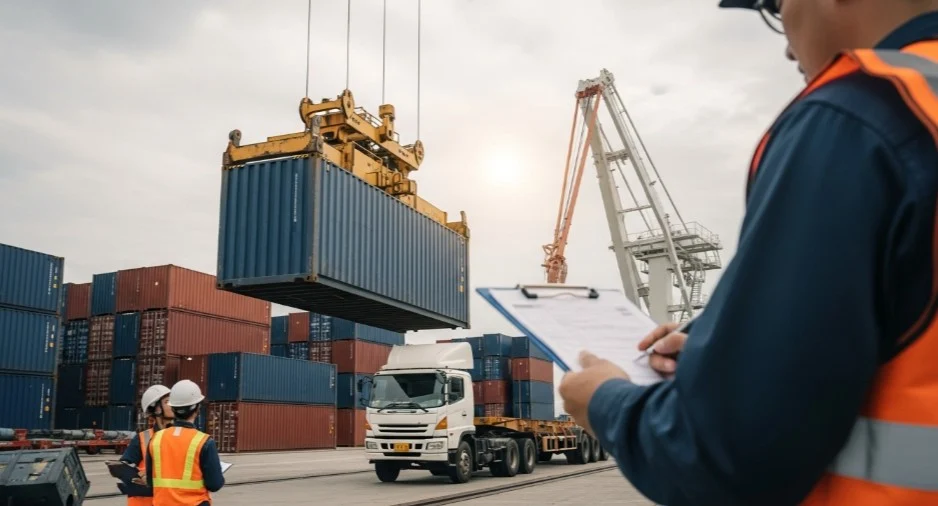
Intermediate bill of lading is most frequently used in combined transportation. For example, in the process of transporting a container arriving by sea to the inland region by truck after the port, a separate intermediate bill of lading is issued for the second stage. Likewise, this document is also required for the delivery of products arriving by air to distribution centers via road. This application ensures the smooth transfer of cargo between each type of transport. Especially in international transportation, intermediate bill of lading is of great importance in terms of regulating the information flow between carriers operating in different countries.
In what cases is an interim bill of lading issued?
Interim bill of lading is issued in every case where the cargo changes hands or is transferred during the transportation process. For example, this document is prepared if the cargo unloaded from a ship is delivered to a different carrier for inland transportation. In this way, it is officially determined which carrier is responsible at which stage. In addition, the intermediate bill of lading comes into play in cases where the route specified in the main bill of lading changes or a new transport mode is added. These documents protect the rights of both carriers and cargo owners and serve as legal evidence in case of any dispute.
What Information is Included on the Interim Bill of Lading?
An intermediate bill of lading contains basic information such as the type of cargo, quantity, weight, origin and destination, loading and unloading dates. In addition, the names, signatures and insurance details of the carriers, if any, are also included in this document. There is a reference number to associate it with the master bill of lading. This information not only facilitates the tracking of the transportation process, but also provides an official basis in case of possible disputes. Today, many companies store these documents digitally and use integrated logistics software systems to facilitate document tracking.
Why is Interim Waybill Important in Logistics Processes?
The intermediate bill of lading is a fundamental element that ensures order and security at every stage of transportation. Without this document, it cannot be clearly proven to which carrier the cargo was transferred and when, which route was followed or who is responsible. Especially in international transportation, interim bills of lading must be prepared completely to document all the processes a cargo goes through from the port to the inland warehouse. In this way, transparency and legal assurance are provided at every link in the transportation chain. In addition, correctly issued bills of lading also contribute to the smooth completion of customs procedures.