Digital Transformation in Logistics
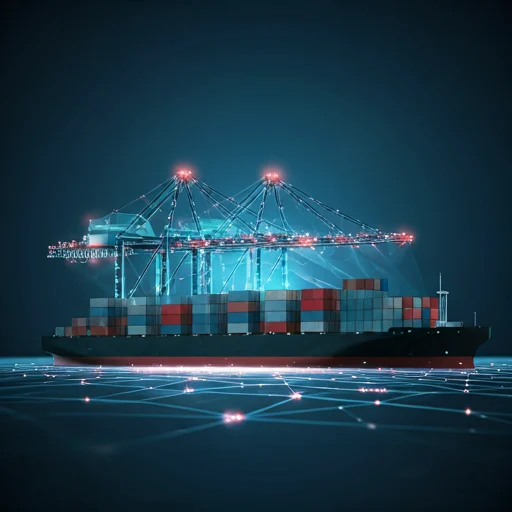
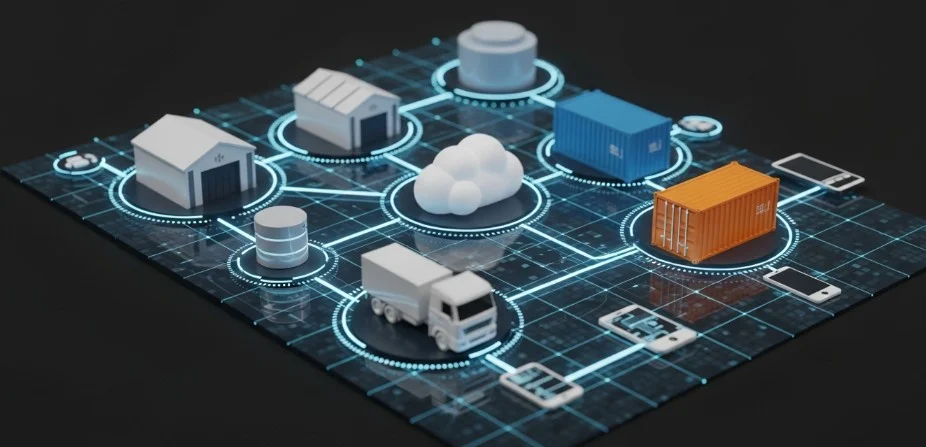
Digital transformation in logistics is the process of integrating all operations such as transportation, storage, shipping and customer services from traditional methods to digital technologies. This transformation; logistics software is supported by modern tools such as automation systems, IoT sensors, artificial intelligence and big data analytics. The aim is to replace manual and dispersed workflows with centralized and fast systems.
Digital transformation is not limited to the use of technology alone. It also transforms business culture, decision-making processes and interaction with customers. It has become inevitable for logistics companies to reshape their business models around digitalization, especially in order to compete in the globalizing market.
Why is Digital Transformation Necessary in Logistics?
Digitalization in logistics is no longer a choice, but a necessity. The main reason for this is that the industry inherently has many moving parts and complex workflows. Simultaneous management of many elements such as vehicles, warehouses, drivers, customers and products is only possible with digital solutions.
In addition, changing customer expectations have created requirements for real-time information, delivery transparency and rapid response. Companies that cannot respond to these demands lose market share. Therefore, digital transformation is not just about internal efficiency; It is also of great importance in terms of customer loyalty and sustainable growth.
In Which Areas Has Digitalization Started in the Logistics Sector?
Digitalization in the logistics sector first started with functions such as vehicle tracking systems, warehouse automation and e-invoice integration. At the point we have reached today, this transformation; It has spread to many areas such as route optimization, driver performance analysis, mobile delivery applications and artificial intelligence-supported prediction systems.
In addition, customer interfaces have been integrated into the digitalization process. Companies can now offer services such as order tracking, digital signature, e-delivery note viewing and instant notification to customers. This turns the logistics service into not only a physical but also a digital experience.
What Advantages Does Digitalization Offer in Operational Processes?
With the digitalization of operational processes, error rates decrease, efficiency increases and costs decrease significantly. In particular, the elimination of manual data entry both saves labor and makes it possible to standardize processes. Thus, a faster, transparent and measurable business structure is established.
For example; Thanks to digital route planning, fuel consumption is optimized and empty trips are reduced. Likewise, automatic reporting tools speed up managers' decision-making processes. These advantages are factors that directly affect competitiveness and enable companies to act more flexibly in times of crisis.
What are the Keys to Success in Logistics Digital Transformation?
In order to be successful in the digital transformation process, it is not enough to invest only in software or hardware. First of all, the internal culture of the company must be open to this transformation. It is critical to train teams, make processes transparent, and integrate technology into daily operations.
Another key to success is to use the right technologies in the right areas and to ensure that all systems work integrated with each other. Companies that adopt a holistic approach instead of fragmented digitalization efforts achieve more sustainable results. In addition, determining measurable KPIs and regularly analyzing progress during the transformation process is also necessary for strategic success.