What is the Use of Handling?
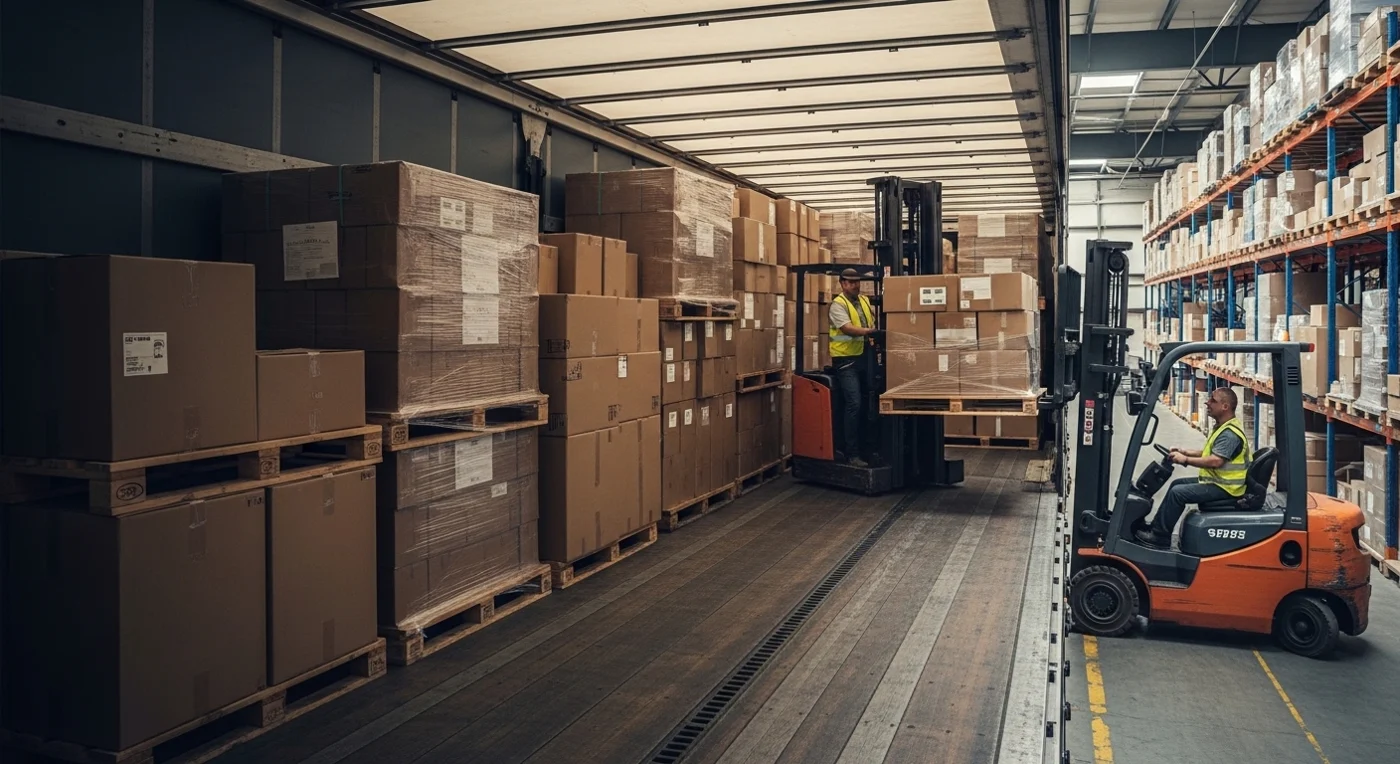
Handling refers to all the loading, unloading, transfer, stacking and relocation operations performed during the transportation of loads from one point to another in logistics processes. This process focuses on the physical movement of products and aims to ensure that the shipment proceeds safely, quickly and orderly. Handling activities are carried out by different methods depending on the packaging structure, weight and transportation conditions of the products. Correct handling practices prevent product damage and reduce labor losses. It also plays a critical role in terms of occupational health and safety. These transactions, which take place in every link of the logistics chain, are one of the basic elements of operational success. Therefore, handling should be considered as a planned and controlled process, not just a physical movement.
In Which Logistics Processes is Handling Done?
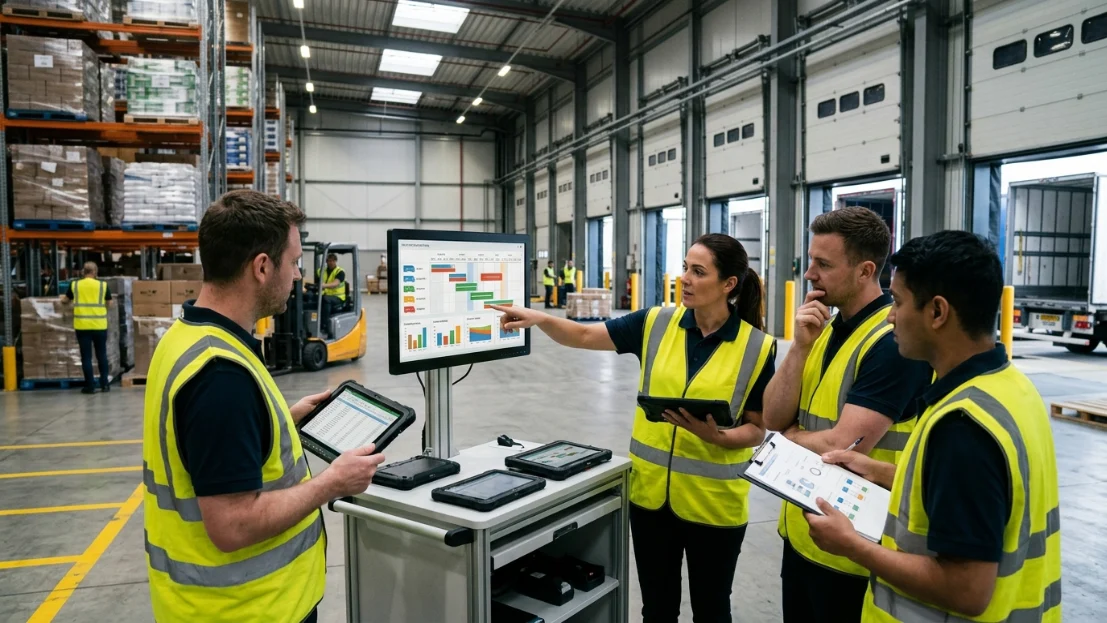
Handling operations are actively involved in almost all stages of logistics. Handling activities are carried out starting from product entry into the warehouse, order preparation, pre-shipment loading, transfer during transportation and post-delivery unloading processes. Each of these processes requires accurate timing and coordination. Today, logistics software solutions play an important role in ensuring this coordination. Thanks to logistics software, it is possible to plan in advance which product will be handled, when, where and how. Thus, unnecessary load movements are reduced and operational errors are prevented. Planned handling processes ensure uninterrupted logistics flow.
Why is Handling Necessary in Ports?
Ports are the areas where handling activities are most intense, as they are one of the busiest and most critical points of international trade. Placing incoming or outgoing cargo by ship into containers, unloading and transferring them to temporary areas forms the basis of port handling. These operations require high precision as they are operations in which there is a race against time. Failure to manage the handling process at ports correctly can lead to longer ship waiting times and serious cost increases. In addition, port handling is of great importance in terms of cargo safety. Incorrect operations may cause product damage or losses. For this reason, handling at ports is a critical process that must be carried out with professional equipment and expert personnel.
What is the Difference Between Handling and Storage?
Although the concepts of handling and storage are often mentioned together, they refer to functionally different processes. While handling deals with the movement of loads, storage involves keeping the loads stationary for a certain period of time. In other words, handling is a dynamic process and storage is a static process. During handling, products constantly change location, and in storage, orderly and safe protection of the products is at the forefront. Both processes are integral parts of the logistics operation, but their purposes are different. In effective logistics management, handling and storage processes must work in harmony with each other. If this harmony is not achieved, time loss and operational inefficiency are inevitable.
What are the Most Common Operations During the Handling Process?
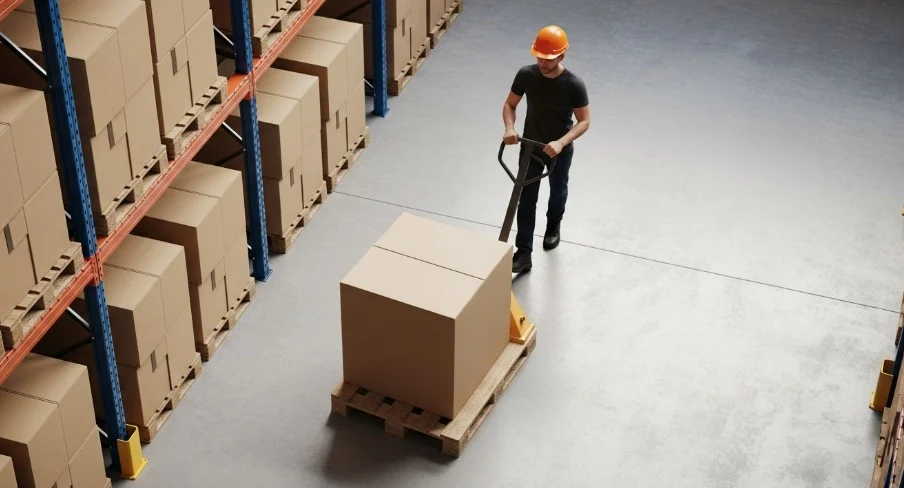
The operations performed during the handling process vary depending on the type of cargo carried and the nature of the operation. The most common operations include loading and unloading activities. In addition, palletizing, stacking, sorting and repositioning are important parts of handling. Transfer operations are widely applied in logistics processes, especially where different transportation modes are used. In some cases, packaging or unpacking of loads also falls within the scope of handling. Each of these processes requires attention and planning. Otherwise, the risk of product damage and work accidents increases.
How Does the Handling Process Affect Operational Efficiency?
The handling process directly affects the speed, cost and safety of logistics operations. Properly planned handling activities increase customer satisfaction by shortening shipping times. At the same time, labor and equipment costs are reduced because unnecessary load movements are prevented. An efficient handling process enables more effective use of warehouse and transportation areas. As a result, operational capacity increases and workflow becomes more sustainable. On the contrary, unplanned and irregular handling practices lead to serious time losses. Therefore, handling should be considered one of the key elements of operational efficiency.