What Does Inefficiency Mean in Logistics?
Inefficiency in logistics is the situation where an operation is completed by using more time, vehicles, labor, fuel, storage space or cost than necessary. Just because delivery is made at the end of a shipment does not mean that the process is progressing efficiently. If the same job can be performed with less waiting, less repetition and more balanced resource use, inefficiency may be found in the current process. Examples of this situation include vehicles waiting empty, unnecessary repeated operations, long loading times or low capacity usage. For this reason, efficiency in logistics is evaluated not only by the completion of the operation, but also by how many resources and how controlled the operation is completed.
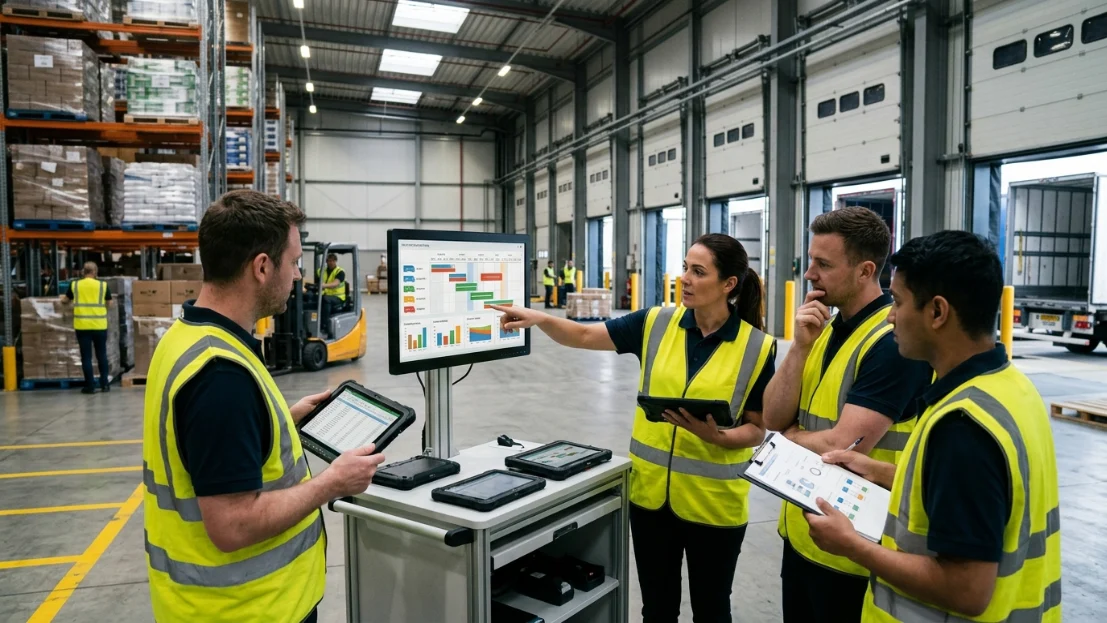
Inefficiencies may occur at a single stage or may occur when different processes affect each other. Late preparation of orders in the warehouse may cause vehicles to wait, late arrival of vehicles may cause deliveries to be delayed, and delayed deliveries may cause the next day's plan to be disrupted. For this reason, the place where a problem is seen and the real source of the problem may not always be the same. Monitoring time, capacity, task, vehicle and delivery data together through logistics software can help understand at what stage inefficiency is concentrated. However, for a correct evaluation, it is necessary to look not only at the results but also why the process is not progressing as planned.
In Which Situations Does Inefficiency Occur in Logistics Operations?
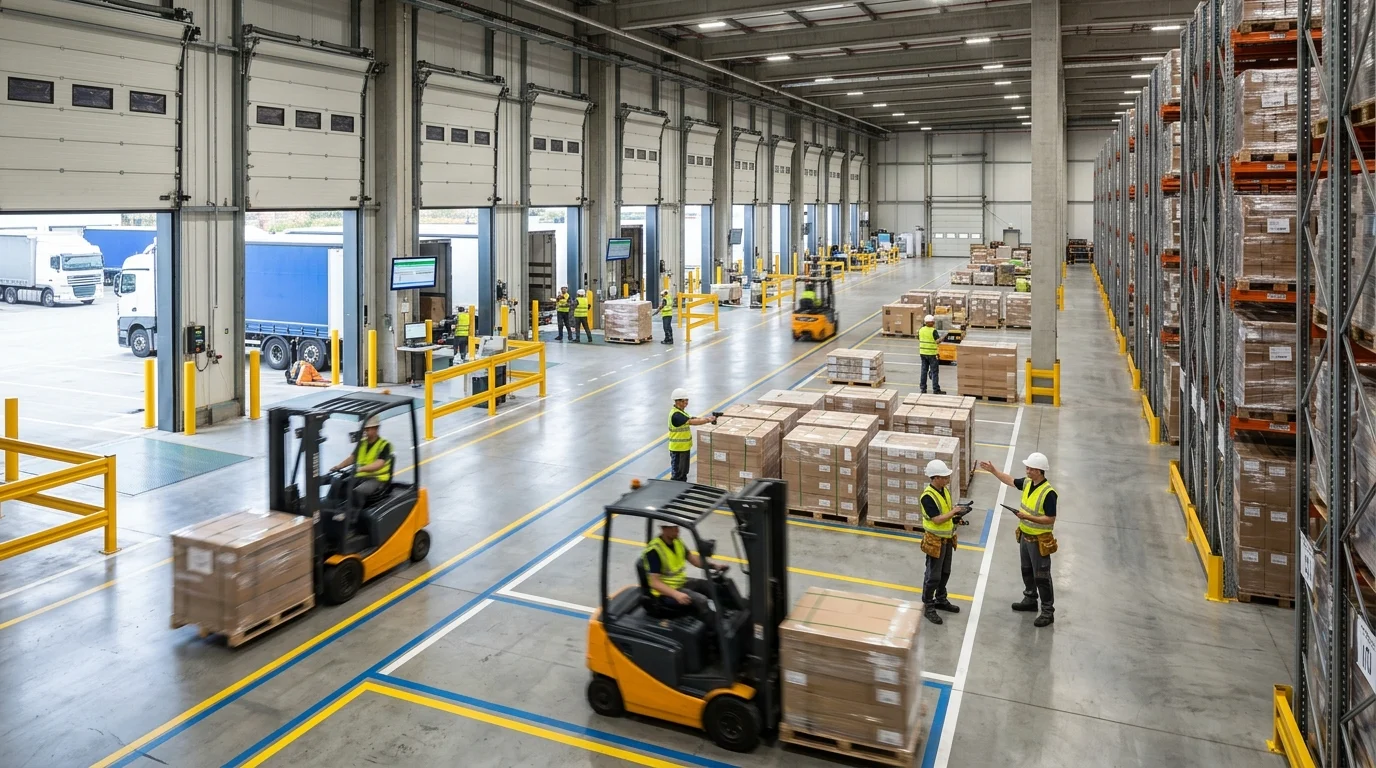
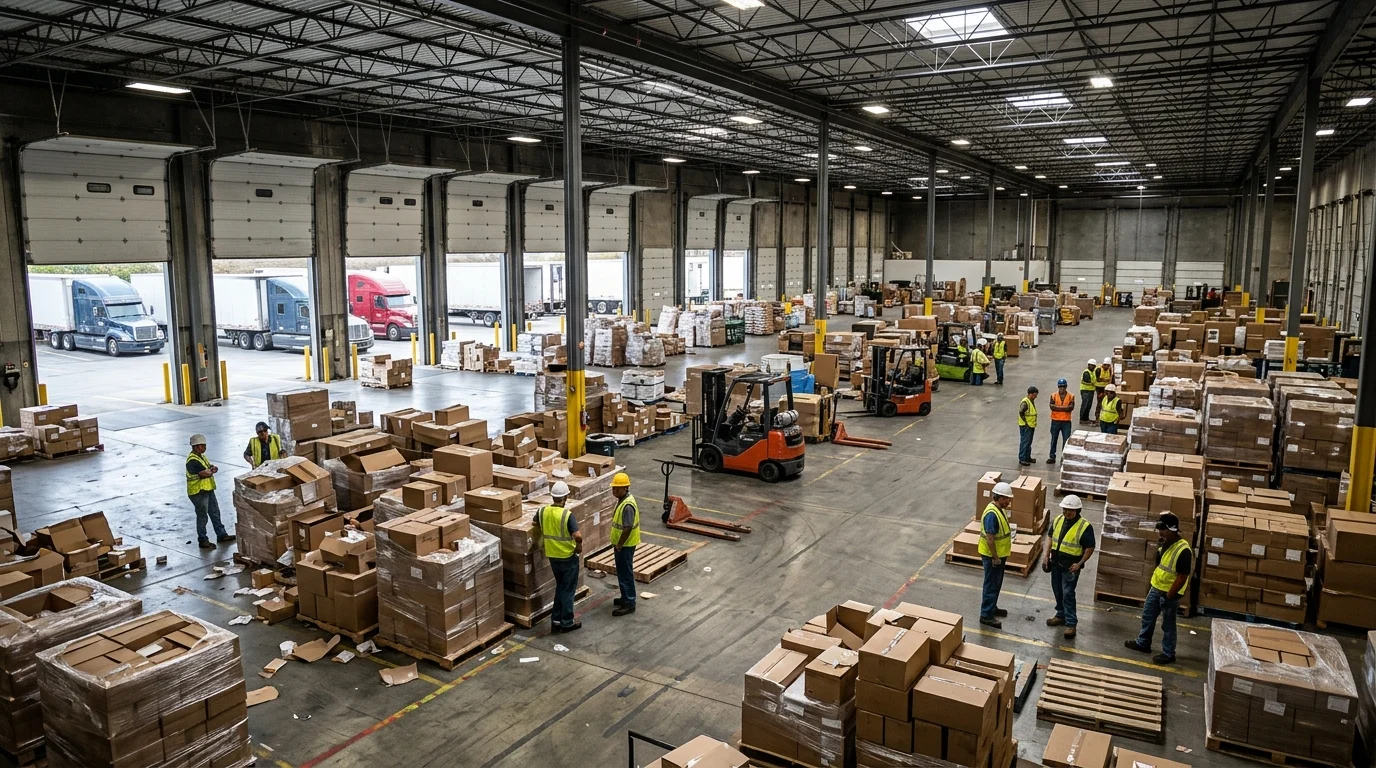
Inefficiency in logistics operations often occurs as a result of not matching capacity and workload correctly, processes containing more steps than necessary, or insufficient information flow between teams. For example, calling the vehicle to the facility when the load is not yet ready creates a non-productive waiting time for both the driver and the vehicle. Similarly, repeatedly entering the same data into the system by different teams may lead to labor loss and the risk of errors. Keeping excess stock, removing vehicles with low occupancy, or unplanned sequencing of delivery points also causes resources to be used more than necessary. While such problems may seem minor on their own, they can significantly reduce overall efficiency in high-volume operations.
Inefficiency sometimes becomes more visible when operating volume increases. Manual processes or long approval processes that can be tolerated at low volume can become serious bottlenecks when the number of orders increases. In addition, failure to update planned periods according to actual operating conditions also creates problems; If a process that takes an hour continuously is accepted as thirty minutes in the system, subsequent tasks will be scheduled at the wrong times. This may cause vehicle, personnel and delivery plans to be disconnected from each other. Therefore, to determine the source of inefficiency, operation volume, actual durations and resources used should be evaluated together.
How Do Wait Times, Repetition, and Resource Waste Represent Inefficiency
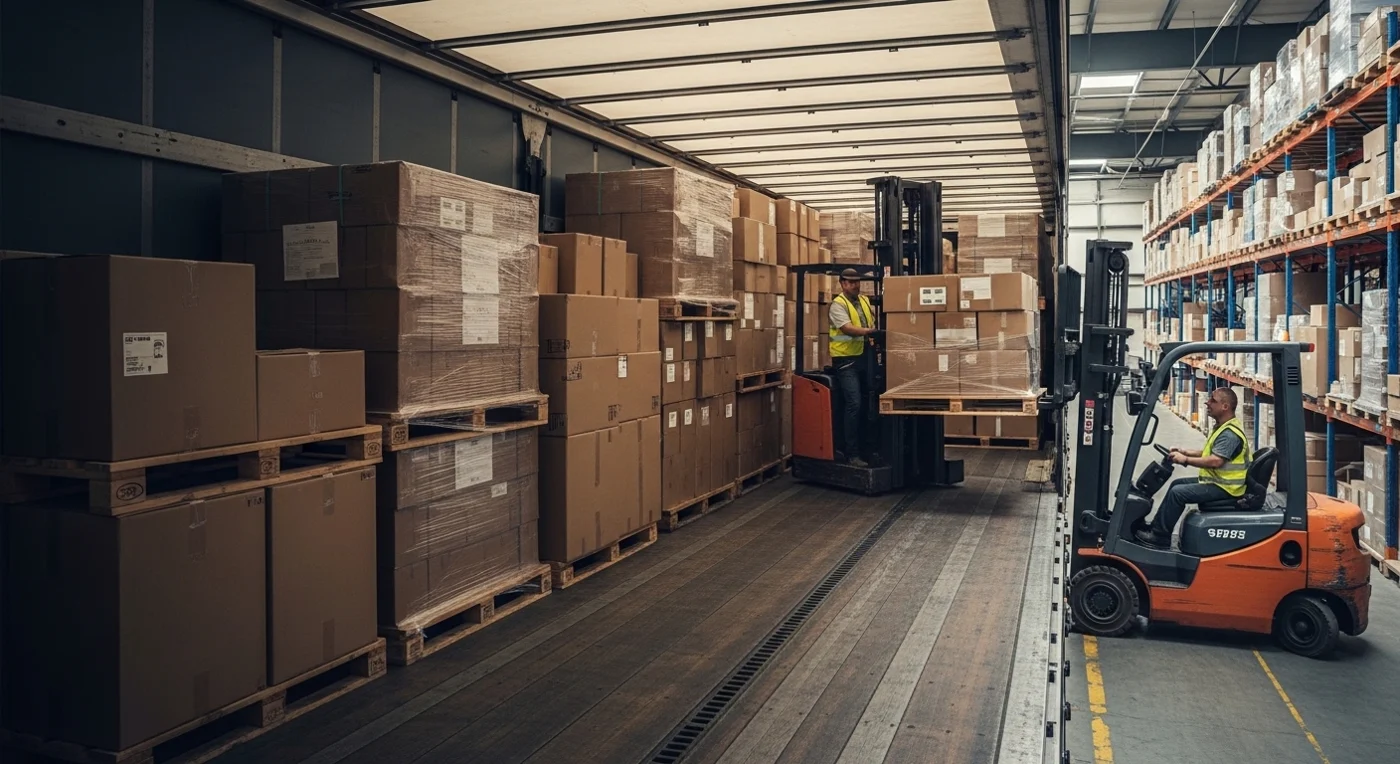
Waiting times are one of the most easily noticed indicators of inefficiency in logistics. Vehicles waiting for a long time for loading, employees not being able to continue the process without receiving the necessary information or approval, and products waiting for exit in the shipment area indicate that the operation is not progressing uninterruptedly. Although no physical action is taken during the waiting period, the vehicle, personnel and area continue to be used. Therefore, waiting time creates a cost that is not directly visible. Constantly waiting at the same points may indicate a permanent problem in capacity or process design.
Repetitive work is also a significant source of inefficiency. Re-preparing the plan due to incorrect information, repeating the process for missing documents, or re-collecting products due to incorrect orders will result in the use of resources for the same job a second time. Similarly, manually re-entering the same data in different systems creates both a waste of time and a risk of error. Resource loss is not limited to staff time; Unnecessary mileage, low occupancy, unused warehouse space and unplanned overtime can also be indicators of inefficiency. When these signs are evaluated together, it can be seen more clearly which points of the operation consume more resources than necessary.

How Does Inefficiency in Logistics Affect Cost and Delivery Performance?
Inefficiency can directly increase operating costs. While waiting for vehicles increases driver and fuel costs, low occupancy trips cause an increase in the cost per unit transported. Products remaining in the warehouse longer than necessary may increase space usage, while excess stock may cause capital to remain tied up in stock for a longer period of time. Likewise, repeat operations consume staff time and may create the need for additional overtime during busy periods. The constant repetition of these seemingly small costs in different operations can have a significant impact on the total logistics cost.
Delivery performance is also directly affected by inefficiency. Extending the loading time may cause the vehicle to be late, and late arrival may cause the delivery time to slip. When a delay in one route affects the next mission of the same vehicle, the problem can cascade throughout the day. Constantly changing schedules make it difficult to keep customers informed and can also reduce the reliability of delivery commitments. Therefore, cost increase and service performance are often not independent from each other; the same inefficient process can create an operation that is both more expensive and less performing.
What Can Be Done to Increase Efficiency in Logistics Processes?
In order to increase efficiency, it must first be determined at which stages of the operation there is loss of time and resources. In this respect, it is important to compare planned and actual times, monitor vehicle waiting times, identify repeated transactions and examine capacity usage. Instead of looking only at the total performance, it is more accurate to evaluate processes such as loading, shipment, delivery and return separately. When recurring bottlenecks are identified, the process sequence, task distribution or capacity plan can be rearranged. Thus, improvement efforts are based on real operational data rather than general assumptions.
Increasing productivity does not always mean using more tools, personnel or technology. Assigning existing resources to the right job at the right time, removing unnecessary steps and accelerating the flow of information between teams can also provide significant gains. Examples of this approach include directing vehicles to the facility when the load is ready, grouping deliveries into appropriate routes, and reducing repetitive manual processes. The results of the changes made should also be monitored regularly; An improvement in one process may create a new bottleneck in another stage. Therefore, efficiency in logistics is not a one-time regulation, but a management area where the operation must be constantly measured and improved.