What Does Multimodal Transportation Mean?
Multimodal transportation is a logistics model in which at least two different transportation modes are used in the transportation process of a load from its origin to its destination and the entire operation is managed under a single transportation contract. In this system, the cargo owner works with a single Multimodal Transport Operator (MTO) who manages the entire process, instead of making separate contracts with different carriers. Thus, operational and legal processes that may arise during the transportation of the cargo are managed from a single center.
The purpose of multimodal transportation is not just to bring different transportation vehicles together. It also aims to optimize costs, shorten transit times, increase operational efficiency and make the supply chain more sustainable. Multimodal systems offer significant advantages, especially in international trade, in the transportation of cargo from ports to inland regions, from production centers to distribution points.
In this model, loads are mostly transported in containers and the load itself is not intervened during the transportation process. The container is transferred between transport modes only. Thus, the number of handling decreases, the risk of cargo damage decreases and the operation becomes safer. In addition, since management is provided through a single transportation plan, tracking of shipments becomes easier.
Due to the growth of global trade volume, the development of e-commerce and the increasing complexity of supply chains, multimodal transportation is considered one of the fastest growing applications in the logistics industry today.
Which Transport Modes Does Multimodal Transportation Include?
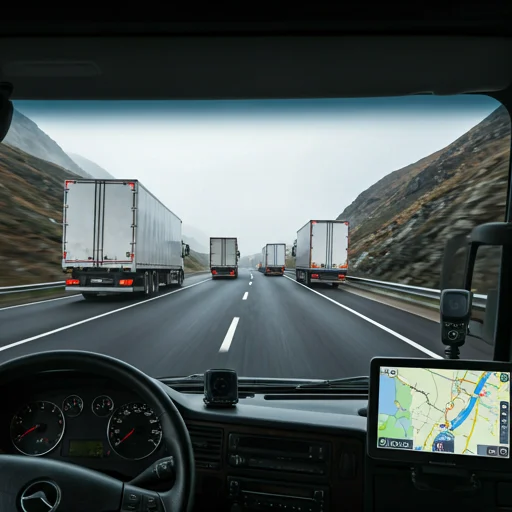
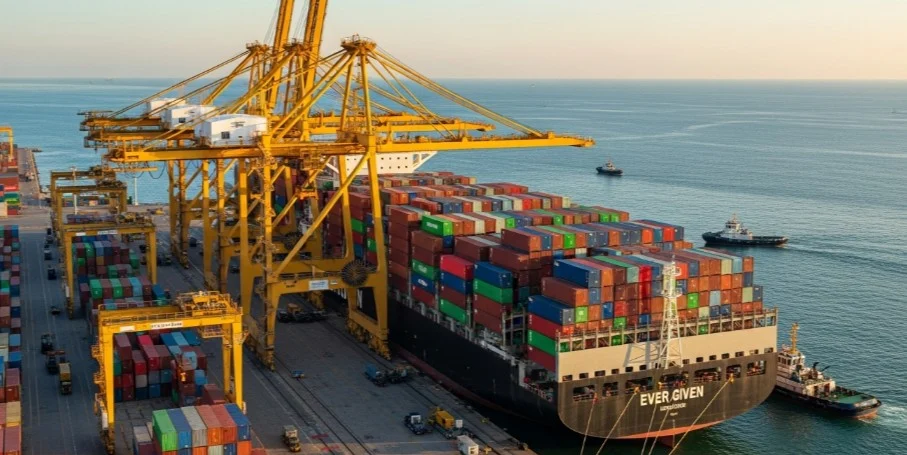
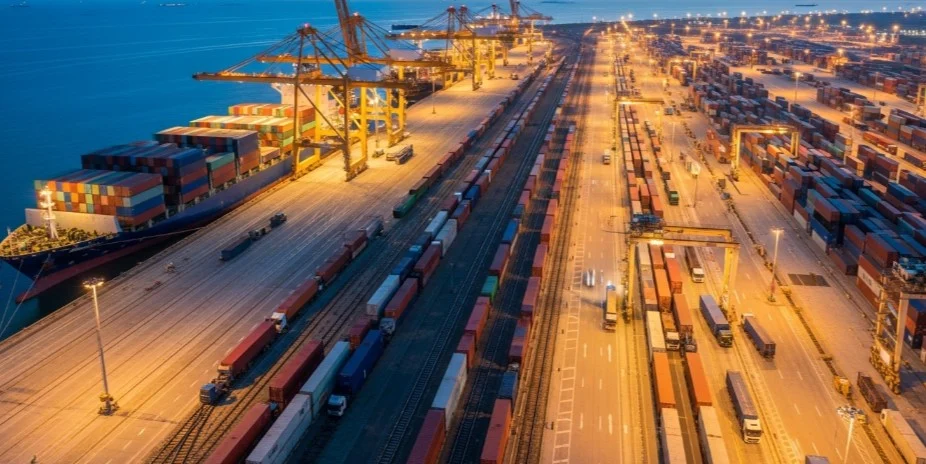
Multimodal transportation involves the use of different transportation modes together according to logistics needs. The most common combinations are transportation models that combine sea, road and rail. In addition, airline and inland waterway transportation are among the important parts of multimodal networks.
Maritime transportation enables the economical transportation of high volume loads over long distances. While the railway contributes to the orderly and environmentally friendly transportation of large amounts of cargo, the road provides the flexibility of door-to-door delivery. Air transportation becomes an important link in the multimodal chain for time-sensitive, high-value cargo.
In modern multimodal systems, containers, swap body equipment, semi-trailers or special transport units can be used. Transferring the load unit between different transportation modes without changing it increases operational efficiency. Ports, transfer centers, land terminals and logistics villages constitute the basic infrastructure of this system.
20' and 40' containers, especially used in international transportation, are standard equipment of multimodal operations. Reefer containers are preferred for temperature-controlled products, flat rack containers for heavy and out-of-gauge loads, and open-top containers for transportation requiring top loading.
What is the Difference Between Multimodal Transportation and Intermodal Transportation?
Although the concepts of multimodal and intermodal transportation are often used interchangeably, they have important technical and legal differences. In both models, loads are transported using more than one transport mode. However, the management style and responsibility structure of transportation is different.
In intermodal transportation, the load is transported within the same load unit and the load itself is not handled. However, more than one carrier may be involved in different stages of transportation. The cargo owner may have to make separate contracts with these carriers, and in case of any problems, liability is determined according to the relevant transportation stage.
In multimodal transportation, the entire process is carried out under a single contract. The customer deals only with the multimodal transport operator. The operator is responsible for all stages of transportation and undertakes coordination in case of delays, damage or losses that may occur.
Therefore, multimodal transportation provides ease of management, especially in complex international logistics operations. Thanks to a single contract, single invoice and single responsibility structure, cargo owners can control operational processes more easily.
What are the Advantages of Multimodal Transportation?
One of the most important advantages of multimodal transportation is the simplification of operational processes. Instead of communicating separately with different transportation companies, the cargo owner works with a single operator who manages the entire process. This saves time and also reduces administrative burden.
Cost optimization is also one of the important benefits of multimodal transportation. While transportation costs can be reduced over long distances by using sea or rail, the flexibility of the road can be used in the final delivery phase. Thus, a transportation model that is both economical and efficient is created.
Transporting cargo in containers reduces the number of handling and reduces the risk of damage. This provides a significant advantage, especially in fragile, high-value or sensitive products. At the same time, load security increases and insurance risks may decrease.
Multimodal transportation also makes significant contributions to environmental sustainability. Reducing road use and increasing preference for rail and sea transportation reduces carbon emissions. This supports both environmental goals and corporate sustainability policies.
In addition, logistics networks become more flexible thanks to route diversity. Alternative transport corridors can be used in case of port congestion, strikes, weather conditions or disruptions at border crossings. Thus, interruptions in the supply chain can be minimized.
In Which Sectors Is Multimodal Transportation Used?
Multimodal transportation is preferred by many sectors today. This model provides significant advantages, especially for companies that make high volume and regular shipments. The automotive industry is one of these. Vehicle manufacturers and spare parts suppliers make extensive use of multimodal solutions in shipments between factories and distribution centers.
Multimodal transportation is also common in the retail and consumer goods sector. Maritime and railway combinations provide cost advantages in delivering products produced in the Far East to European, Middle Eastern or African markets. Final deliveries are made by road.
The balance of speed and cost is of great importance in the e-commerce industry. For this reason, ports, distribution centers and urban delivery networks are connected to each other by multimodal logistics systems. This model provides operational efficiency, especially for international orders.
Multimodal solutions are used for temperature-controlled transportation in the pharmaceutical and healthcare industry. For products where the cold chain needs to be protected, reefer containers, temperature monitoring systems and special storage infrastructures become part of the process.
Multimodal transportation also plays an important role in the agriculture and food sectors. Different transport modes can be used together to safely deliver fresh produce and frozen foods over long distances. Capacity planning is carried out during harvest periods to ensure that the products reach the market on time.
In the energy, construction and heavy industry sectors, large volume project loads are transported with multimodal systems. Special wagons, lowbed vehicles, ships and barges can be used in the same transportation plan for loads such as wind turbine equipment, generators, large machinery and industrial plant parts.
Chemistry, defense, aviation and technology sectors are among the areas where multimodal transportation is widely used. A balance of cost, speed and safety is established by taking advantage of different transportation modes, especially for high-value and time-sensitive loads.