What Does Slot Management Mean in Logistics?
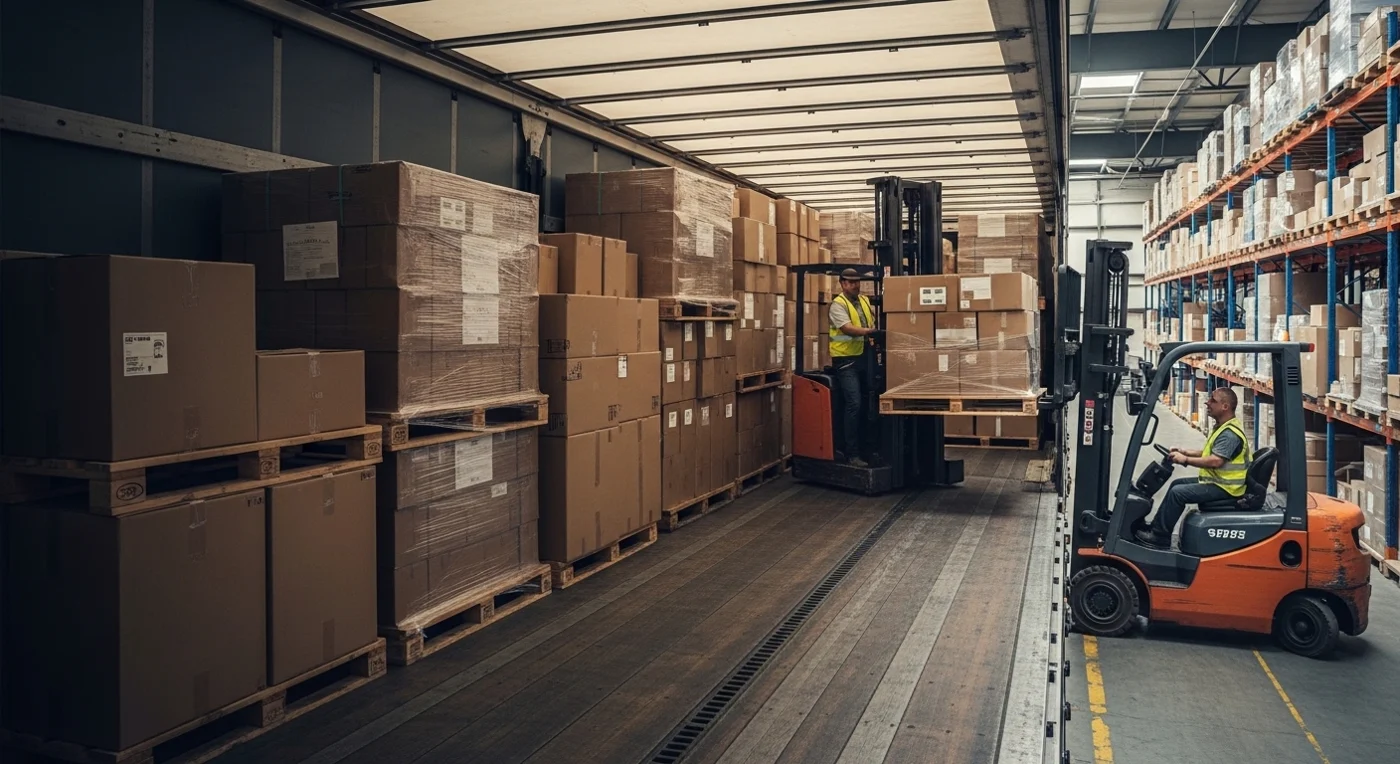
Slot management in logistics is the planning and management of loading, unloading, vehicle acceptance, warehouse entry-exit or certain operation steps within predefined time intervals. Thanks to this structure, the same ramp, door, vehicle reception area or operation resource is prevented from being used by more than one process at the same time. Especially in warehouses, distribution centers and production facilities with high vehicle traffic, slot management contributes to reducing waiting times by making time planning more controlled.
The answer to the question of what is slot management is not limited to giving hours to the vehicles. An effective slot structure also includes which vehicle will arrive at what time, which ramp will be used, how much time will be allocated for loading or unloading, and how the plan will be updated in case of delays. Therefore, slot management is a planning approach based on matching time with operational capacity.
The use of time slots in logistics ensures a more predictable progress of the operation. If all vehicles arrive at the facility at the same time, this may create a queue at the security entrance, ramp congestion and personnel accumulation. On the other hand, distributing vehicles to controlled time periods supports a more even distribution of facility capacity throughout the day. Thus, not only vehicle traffic, but also loading teams, forklifts, ramp usage times and in-warehouse preparation processes can be planned more regularly.
In slot management carried out throughlogistics programs, appointment information can be associated with vehicle, carrier, order, load type or shipment record. This way, planning teams have access to all relevant operational details, not just a timetable. When the vehicle is delayed, the load is not ready or there is unexpected density on the ramp, slot information can be updated and the new plan can be shared with the relevant teams.
What Does the Concept of Slot Mean in Logistics Operations?
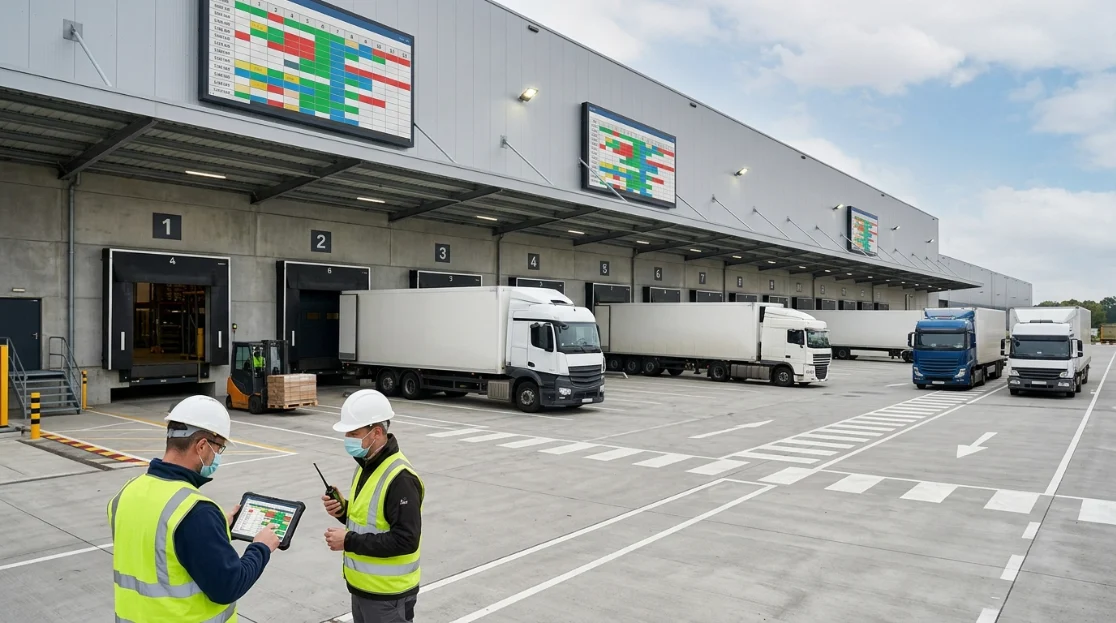
In logistics operations, slot refers to the time interval allocated for a specific operation. This time interval can be used for different operations such as loading, unloading, vehicle acceptance, container delivery, warehouse entry or shipment exit. The main purpose of the slot is to prevent simultaneous overuse of operational resources and to predetermine the order of operations.
A slot does not only consist of the start time. The estimated duration of the operation, the ramp or area to be used, vehicle type, load amount and operation priority may also be part of the slot plan. For example, while a 30-minute loading time is sufficient for a small-volume distribution vehicle, longer time may be required for a fully loaded trailer. Therefore, it may not be realistic to keep slot times the same for each operation.
The concept of slot is directly related to capacity management. Having five ramps at a facility could theoretically mean that five vehicles could be processed at the same time. However, not all ramps may be suitable for the same vehicle type or personnel capacity may be limited at certain hours. Therefore, actual slot capacity should be determined not only by the number of physical spaces, but also by personnel, equipment and operating conditions.
In logistics, time slot also ensures coordination between the carrier and the facility. The carrier knows in advance at what time he needs to arrive at the facility. The facility can prepare the relevant load and personnel according to that time. Thus, situations such as the load not being ready when the vehicle reaches the facility or the ramp continuing to be used by another vehicle can be reduced.
Slot structure becomes more important, especially during busy periods. Vehicle movement may increase during periods such as campaigns, season or month-end. Unplanned acceptance of vehicles during these periods may create traffic and waiting around the facility. Slot management ensures more controlled use of capacity by distributing the intensity to different time periods.
How to Schedule Time Slots for Loading and Unloading
When planning loading and unloading slots, the daily operation capacity should first be determined. Questions such as how many ramps can be used, how many personnel can be on duty, what equipment is available and what is the average processing time of a vehicle need to be answered. Without this data, simply creating a time range on the calendar may not reflect actual capacity.
Load amount is one of the important factors that determine the slot duration. While a vehicle carrying a small number of pallets can be processed in a shorter time, the time may be longer for vehicles carrying high volumes or mixed loads. Additional time should be allocated if products are required to be checked one by one, special packaging process or document verification is required.
Vehicle type should also be taken into account in time planning. Ramp usage times and maneuvering needs of vehicles carrying trucks, trailers, vans or containers may vary. Some ramps may only be suitable for certain vehicle types. Therefore, when creating the slot, both the physical characteristics of the vehicle and the area to be used must be matched.
When planning the loading slot, the warehouse readiness status should also be checked. If the products are not ready yet, giving the vehicle an early hour will create waiting time. For this reason, harmony should be established between order picking, packaging and preparation for shipment time and vehicle appointment. Having the load ready when the vehicle arrives ensures that the ramp usage time is more efficient.
In unloading slots, goods acceptance capacity is important. Counting incoming products, quality control, barcode processing or directing them to the shelves may take time. Not only the unloading time of the vehicle, but also the in-warehouse acceptance process should be taken into account. Otherwise, even if the vehicle leaves the ramp, incoming products may pile up in the reception area.
When planning the ramp time, the intensity at different times of the day should also be evaluated. Shift starts, break times, or other peak operations within the warehouse may affect slot capacity. For this reason, instead of distributing an equal number of appointments throughout the day, different capacities can be defined according to the actual operation rhythm.
It is also useful to leave a certain buffer time during planning. Planning each slot to be fully occupied in a row can cause a small delay to disrupt the entire day's schedule. Leaving limited flexibility for situations such as late arrival of vehicles, prolonged loading or equipment failure makes the plan more durable.
How Do Slot Conflicts and Delays Affect the Operation?
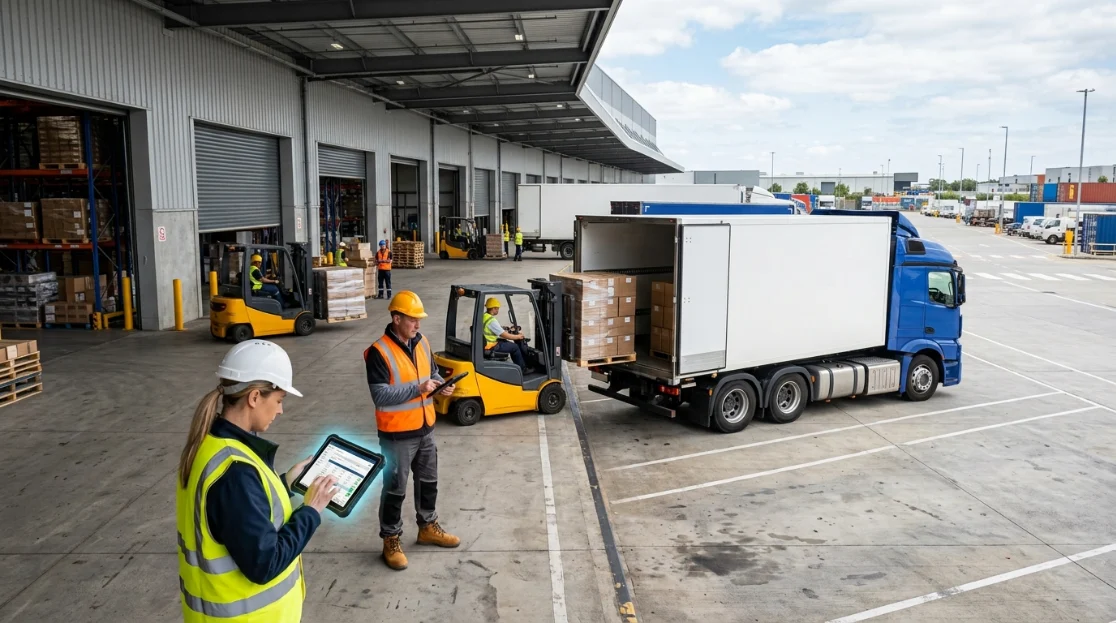
Slot conflict occurs when more vehicles or transactions are planned than the available capacity in the same time period. For example, in a facility with three ramps, making five vehicle appointments at the same time will cause at least two vehicles to wait. This situation not only creates vehicle waiting; It also puts pressure on security, field traffic, loading crew and in-warehouse flow.
Slot conflicts can also affect personnel utilization. When too many vehicles arrive at the same time, workers may have to split between multiple operations. This can increase loading time and increase the risk of errors. On the other hand, when the density decreases, some of the personnel capacity may remain idle. Therefore, slot conflicts are not just a vehicle plan problem, but a resource distribution problem.
Vehicle delays can also disrupt the current slot schedule. If a vehicle does not arrive on time, the relevant slot may become vacant. When the vehicle arrives later, it may conflict with another vehicle's slot. If the delayed vehicle is accepted directly, other vehicles arriving on time may have to wait. For this reason, the rules under which late arriving vehicles will be rescheduled should be determined in advance.
Vehicles arriving early may also cause similar problems. If the waiting area is insufficient when the carrier reaches the facility well before the scheduled time, site traffic may occur. Immediate processing of the vehicle arriving early may affect the next plan. For this reason, not only delay but also early arrival should be managed within slot discipline.
The delay may also have an impact on the delivery or next voyage schedule. A vehicle with a delayed loading slot may miss its scheduled departure time. This may cause the delivery time to change or the vehicle to be late for its next task. A single slot delay can have a chain effect, especially in operations where the same vehicle makes more than one trip during the day.
Slot conflict also affects the customer and carrier relationship. If the carrier has to wait for a long time despite arriving at the scheduled time, additional waiting costs may occur. This constant situation can reduce carrier satisfaction and increase the cost of operation. Therefore, the appointment system affects not only the internal order of the facility but also the quality of service with external stakeholders.
The causes of conflicts should be analyzed regularly. If the problem occurs constantly at certain hours, the slot capacity may not be realistic. If certain carriers are consistently late, a carrier-by-carrier performance evaluation can be done. If the processing time constantly increases for certain load types, the standard slot time can be redefined for these operations.
What Elements Should Be Considered for Effective Slot Management?
In effective slot management, first the real capacity must be defined correctly. The number of ramps, number of personnel, equipment capacity and average processing times should be evaluated together. Having a physically empty ramp does not always mean that a new vehicle can be accepted. Actual capacity may be lower if there are not enough personnel or equipment for the relevant ramp.
Slot times should be differentiated according to the type of operation. Standard loading, partial load, container unloading, temperature-controlled product or loads requiring special control may not be completed within the same period. Rather than assigning a fixed time to each operation, more realistic times can be defined by analyzing past operation times.
Carriers' rules for creating and changing appointments should be clear. It should be determined how far in advance the slot can be purchased, how many hours in advance it can be changed, and what to do in case of delay. Unclear rules can lead to increased last-minute changes and constant disruption of the slot plan.
Real-time visibility is also important. Planned slots, incoming vehicles, pending transactions and delays should be monitored through the same structure. Thus, the operations team can make controlled updates according to the actual situation during the day, instead of just adhering to the program created at the beginning.
Notification mechanisms can support slot management. A reminder can be sent to the carrier before the appointment time. The operations manager can be informed when the vehicle is delayed. When the ramp is empty, a notification can be created for the next vehicle. However, creating too many and unnecessary notifications may cause users to miss critical alerts.
Performance data should be monitored regularly. Indicators such as average waiting time, difference between planned and actual transaction start, ramp usage rate, carrier on-time arrival rate and transaction time per slot can be examined. These data show how compatible the plan is with the actual operation.
The aim of slot management should not be to always fill the capacity at 100 percent. Full occupancy can cause the entire program to be disrupted with a small delay. Leaving controlled buffer capacity at certain time intervals makes it easier to meet unexpected changes.
Finally, the slot structure should be updated regularly. When the season, customer volume, vehicle type or warehouse layout changes, the old slot plan may be inadequate. For this reason, time intervals, capacity limits and ramp usage rules should be evaluated periodically. Thus, slot management ceases to be a fixed calendar and turns into a planning tool that develops according to real operating conditions.