What Does Transit Cargo Mean?
Transit cargo refers to cargo that enters the customs territory of a country but whose final destination is another country. In other words, these goods enter the country's borders only for transit purposes and do not enter into free circulation here. Transit transportation plays a strategic role in global trade because many countries become transit points thanks to their geographical location and act as a bridge in the trade flow. In this way, trade continuity is ensured and logistics revenues are generated for transition countries.
In Which Situations Is Transit Freight Transportation Preferred?
Transit cargo transportation is preferred in cases where direct transportation is not possible and there are land or sea borders. In addition, transit transportation is chosen to deliver some goods to their destination in a shorter time or at a lower cost. Countries where road, rail, sea or air connections intersect become critical centers in transit transportation. This method provides both cost advantages and makes the supply chain more flexible, especially in long-distance trade.
What is the Free Transit Regime?
Free transit regime means that goods entering the customs territory of a country are allowed to pass to another country without being subject to any taxes or trade restrictions. This regime is guaranteed in the World Trade Organization agreements to ensure uninterrupted continuation of international trade. Within the scope of the free transit regime, goods are transported under customs supervision, but are not subject to practices such as import taxes, customs duties or quotas. This system both ensures effective use of the logistics infrastructure of the transit country and increases trade volume.
How to Ensure Transit Cargo Safety?
Security in transit cargo transportation is a critical issue in terms of both protecting the cargo and ensuring the border security of the transit country. Methods such as sealed containers, GPS tracking systems, electronic locks and customs surveillance are applied to ensure security. In addition, risk analysis and inspections carried out within the framework of international security standards prevent transit cargo from being used in activities such as illegal trade, smuggling or terrorist financing. Thanks to these measures, the integrity of the transported goods is protected and the security sensitivities of the transit country are met.
What are the Customs Procedures in Transit?
Customs procedures in transit are based on the principle of recording the goods as they enter the country border and keeping them under surveillance during transit. Goods are processed with a transit declaration submitted to the customs administration and must generally be transported via the designated route. In this process, practices such as sealing, guarantees and time limits are applied to prevent the goods from entering free circulation. When the destination is reached, the transaction is closed by the exit customs. These procedures both ensure that the transit country fulfills its obligations and contribute to the smooth progress of trade.
What are the Most Used Transport Modes in Transit Transportation?
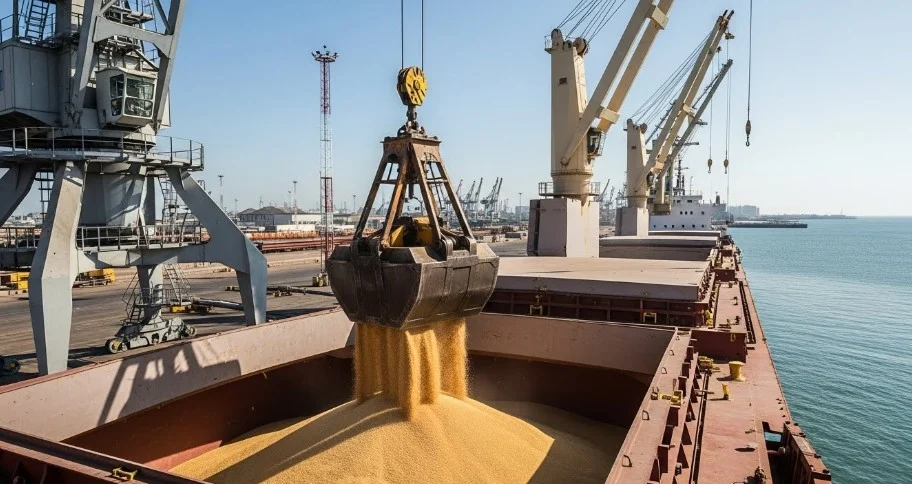
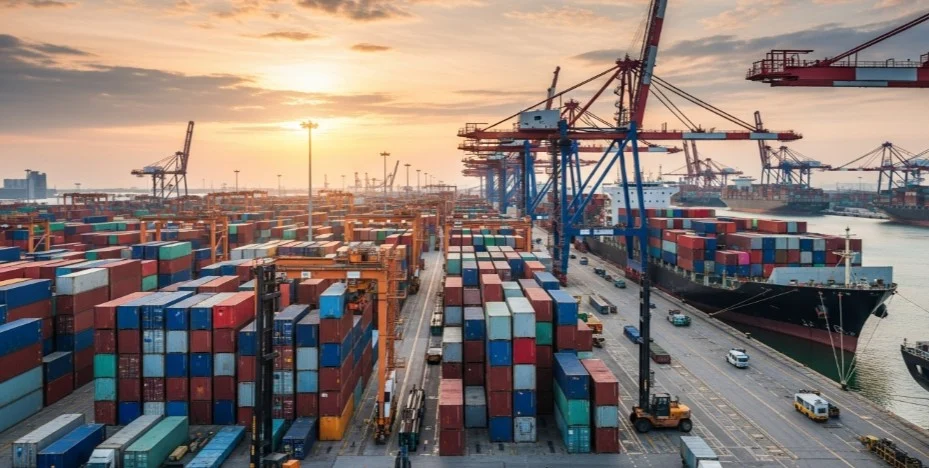
The most preferred transportation modes in transit transportation are road, railway, sea and air. Road transport is frequently used due to its flexibility and door-to-door service availability. Railway transportation stands out in the economical transportation of high volume loads over long distances. Sea transportation is the most widely used mode in international trade and is especially preferred in container transportation. Airline, on the other hand, is used for time-critical loads. Using these modes together with multi-modal transportation systems further increases the speed and efficiency of transit transportation.