What Does Warehouse Automation Mean?
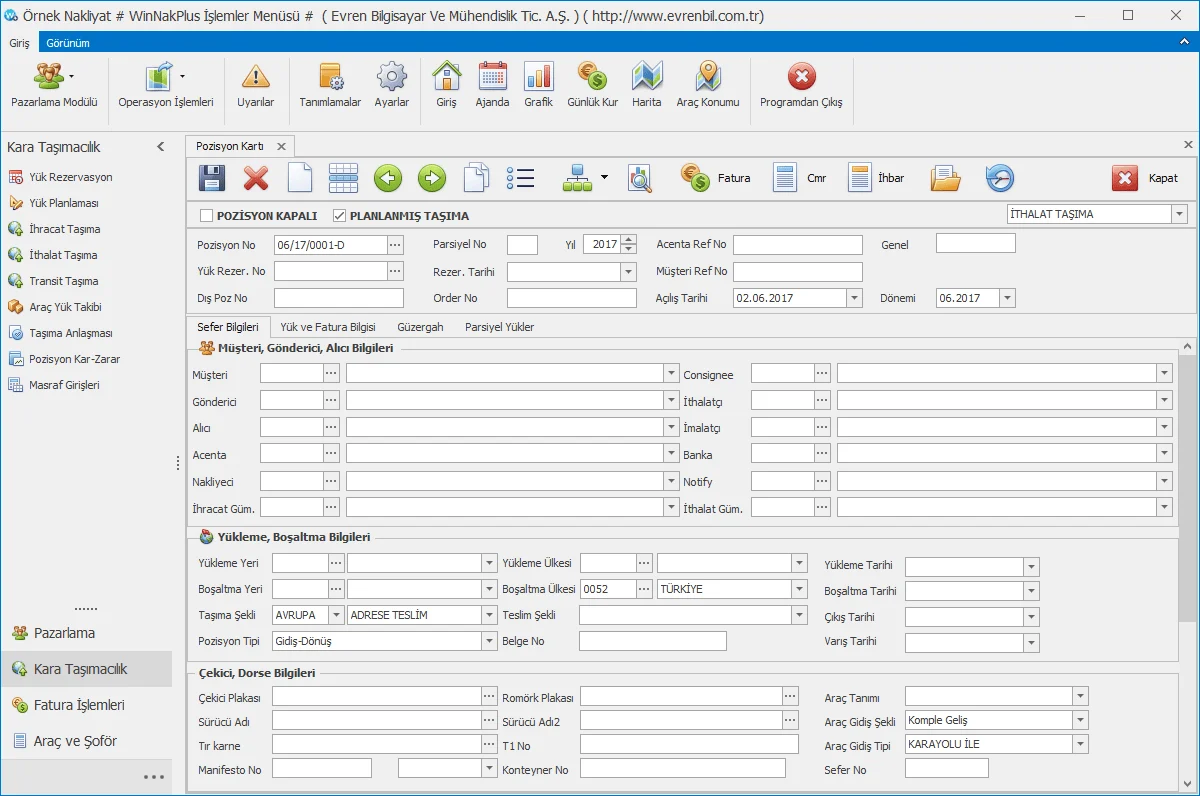
Warehouse automation is a system that enables a business to manage its warehouse processes with software, hardware and sensor technologies, removing manual methods. In traditional warehouses, tasks such as inventory entry-exit tracking, product placement and order preparation rely heavily on manpower. This leads to both loss of time and increased error rates. Automation tracks the entire process in real time through barcode readers, RFID tags, warehouse management software (WMS) and mobile devices. Thus, businesses accelerate product flow, reduce costs and increase customer satisfaction.
Today, with the growth of e-commerce, warehouse automation has become a structure needed not only by large logistics companies but also by medium-sized businesses. Having stocks in the right place at the right time is critical for timely delivery of orders. Thanks to warehouse automation, the entire process becomes transparent, from the entry of the products into the warehouse until they reach the customer. In addition, thanks to automatic reporting and data analysis features, managers can make strategic decisions such as workforce planning and cost control more quickly and accurately.
With Which Technologies Do Warehouse Automation Systems Work?
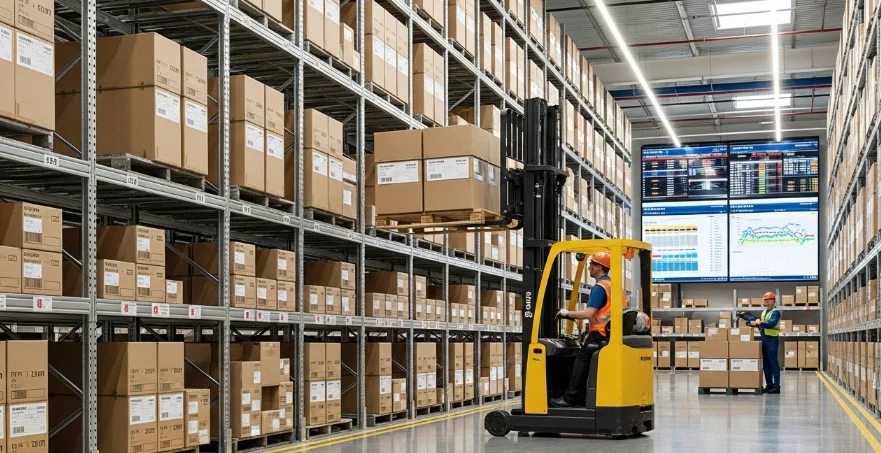
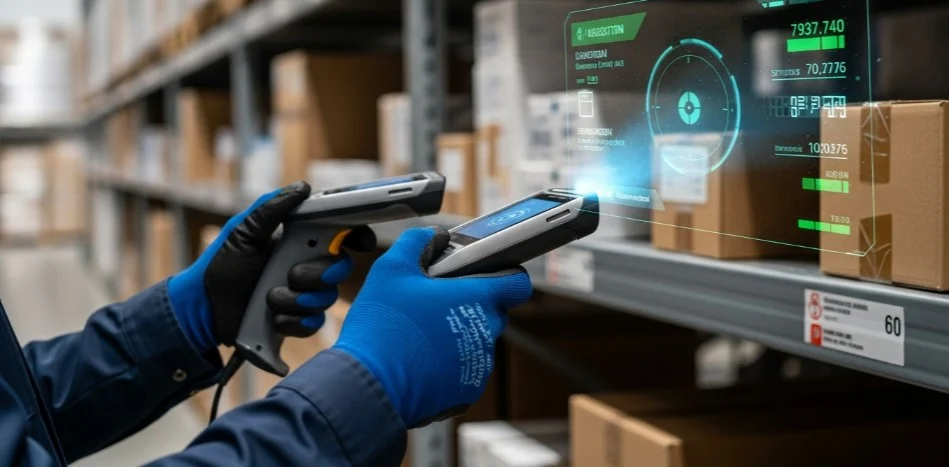
The basis of warehouse automation systems is logistics software and hardware integration. Barcode systems are one of the most widely used technologies; Thanks to the barcode labels on the products, the stages of entering the warehouse, shelf placement and shipment can be easily tracked. In addition, RFID technology enables mass identification of products via wireless waves without the need to scan them one by one. Warehouse management software (WMS) analyzes the data provided by these hardware and provides instant reports to managers. Automated transport systems (conveyor belts, robotic forklifts) and voice guidance solutions are also widely used components of warehouse automation.
In recent years, artificial intelligence and internet of things (IoT) technologies have also attracted attention in the field of warehouse automation. IoT-based sensors constantly monitor temperature, humidity and product movements and transfer critical data to the system. Artificial intelligence processes this data and guides businesses on strategic issues such as stock optimization and demand forecasting. Thus, warehouse management is not only accelerated in operational processes, but also strengthened with forward-looking decision support mechanisms. The combination of these technologies makes modern warehouses more flexible, faster and cost-effective.
In Which Sectors Is Warehouse Automation Used Most?
Although warehouse automation can be applied in almost all sectors, it is especially preferred in areas that require intensive stock tracking and fast product circulation. The retail and e-commerce sector is one of the areas where automation is used most intensively. Because in these sectors, timely preparation and error-free delivery of orders play a critical role in terms of customer experience. In addition, automation provides a great advantage for protecting the cold chain in the food and beverage industry and for safe and traceable storage of drugs in the pharmaceutical industry.
In addition, automotive, textile, electronics and logistics service providers are among the sectors that invest the most in warehouse automation. Product diversity is high in these areas and error-free shipment provides a competitive advantage. Particularly in the automotive industry, proper management of spare parts is vital to ensure that production lines are not disrupted. Therefore, despite the changing priorities in different sectors, the common goal is; to speed up warehouse processes, reduce costs and minimize the margin of error.
What are the Contributions of Warehouse Automation to Stock Tracking?
Warehouse automation solves the "visibility" problem, which is the biggest problem in stock management. In traditional methods, the current status of stocks often relies on manual counts, which can lead to both loss of time and incorrect information. Thanks to automation, every movement from the entry of the products into the warehouse to their exit is recorded instantly. Thus, businesses can easily see which product is on which shelf and in what quantity. In this way, situations such as overstock or insufficient stock are detected early, and orders can be filled on time.
In addition, automation can track the shelf life and batch numbers of products. This feature is especially critical in the food, pharmaceutical and chemical industries. Methods such as FIFO (first in, first out) or FEFO (first out with closest expiration date) are automated through warehouse management software. Thus, customer satisfaction increases and product losses decrease. Thanks to this transparency provided by warehouse automation, businesses make more accurate order planning, reduce costs and increase competitiveness.
Is Warehouse Automation Also Suitable for Small Businesses?
Although warehouse automation has been seen as a solution that was only accessible to large-scale companies for many years, this perception has changed today. Thanks to cloud-based software and cost-effective automation solutions, small and medium-sized businesses can also switch to warehouse automation. Although warehouse space is generally more limited in small businesses, the high speed of product entry and exit makes manual tracking difficult. Thanks to automation, small businesses can increase customer satisfaction and increase operational efficiency by reducing errors.
In addition, for small businesses, automation not only simplifies the storage process, but also becomes a strategic step towards growth. For example, a small business engaged in e-commerce can ship orders quickly and error-free with warehouse automation, which increases customer loyalty. Thanks to the modular structure of automation systems, businesses can start with basic solutions and expand their systems in the future. Thus, small-scale companies can also gain a strong position in the competitive environment.