The Place and Importance of Warehouse Management in Logistics
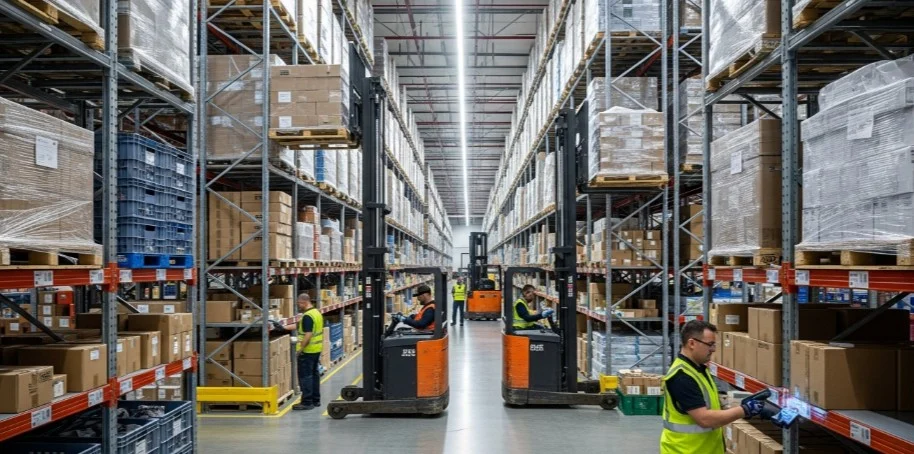
Warehouse management is at the heart of logistics processes. Proper storage, placement, tracking and shipping of products; It plays a vital role in the efficient functioning of the supply chain. Good warehouse management allows the location of products to be easily located, which allows orders to be prepared quickly. The slightest disruption in these processes may negatively affect both customer satisfaction and operational continuity.
In addition, warehouse management is critical in ensuring stock control. While excess stock leads to capital loss; Lack of stock may cause orders not to be filled. Establishing this balance is only possible with an effective warehouse strategy. Especially for companies with large volume product circulation, warehouse management is not just about storing products; It is a strategic process that includes preparing the right product at the right time and shipping it with minimum error.
Why Does Effective Warehouse Management Provide Cost Advantage?
Effective warehouse management provides serious cost advantages by preventing unnecessary expenses of companies. For example, placing products correctly in the warehouse and making them easily accessible reduces preparation and shipping times. This optimizes labor utilization, prevents loss of time and shortens delivery times. At the same time, unnecessary warehouse space usage is reduced, saving on rent and energy expenses.
When the product circulation in the warehouse is checked regularly, the wastage rate of products that have expired or are stocked more than expected is minimized. This reduces product-based financial losses. Moreover, good warehouse management minimizes errors such as sending the wrong product during shipment. In this way, return costs are avoided and customer satisfaction is maintained. All these factors enable total logistics costs to decrease.
What Do Warehouse Tracking Systems Do in Logistics?
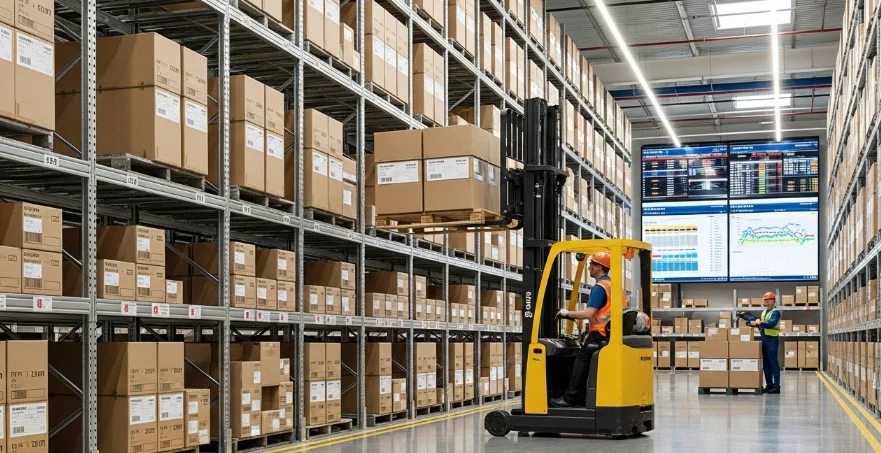
Warehouse tracking systems enable digital monitoring of all movements of products from their entry into the warehouse to their exit. Using barcode or RFID technologies, the movement of each product is recorded and can be tracked instantly. Thanks to these systems, information such as how many products are available, where they are located and when they will be shipped can be displayed transparently. This both simplifies stock management and prevents erroneous transactions.
Warehouse tracking systems integrated withLogistics software minimize human errors by reducing the need for manual control. Thanks to these systems, warehouse managers can plan resources according to order density and use their workforce more effectively. At the same time, all warehouse processes throughout the supply chain can be managed from a central platform. Thus, operational costs decrease while efficiency increases. Especially for growing businesses, such systems have become a basic requirement for sustainable success.
How Does Warehouse Planning Affect Delivery Time?
Warehouse planning directly affects how long it takes for a product to be ready for shipment. Placing the products systematically in the warehouse ensures that the desired product can be found quickly. In this way, order preparation time is shortened and shipment can be made earlier. Especially in the e-commerce sector, delivery time is one of the most important factors determining customer satisfaction. Therefore, the better the warehouse layout is planned, the shorter the delivery time.
In addition, in-warehouse traffic planning also affects the process. Non-conflicting workflow in the warehouse, optimizing personnel movements and correct positioning of material handling areas are directly reflected in the delivery. Without proper planning, the system may crash and deliveries may be delayed during busy order periods. Therefore, warehouse planning is important not only in terms of internal layout; It is also a critical factor for overall logistics performance.
What Problems Does Improper Warehouse Management Cause?
Incorrect warehouse management can negatively affect all logistics operations. Placing products on the wrong shelves increases search time and slows down the order preparation process. This causes delivery times to extend and customer satisfaction to decrease. In addition, frequent shipments of wrong products lead to increased return rates, which directly increases costs. Moreover, faulty management can increase the risk of occupational accidents in the warehouse.
Problems such as excess stock or insufficient stock are also the results of faulty management. While excessive stocking leads to unnecessary tie-up of capital and loss of value of products; Missing stock results in lost sales and customer dissatisfaction. In addition, incorrect warehouse layout causes inefficient use of space, which means both loss of physical space and reduced logistics efficiency. When all these problems are taken into consideration, the place of effective warehouse management in company success becomes much clearer.