The Importance of Storage in Logistics
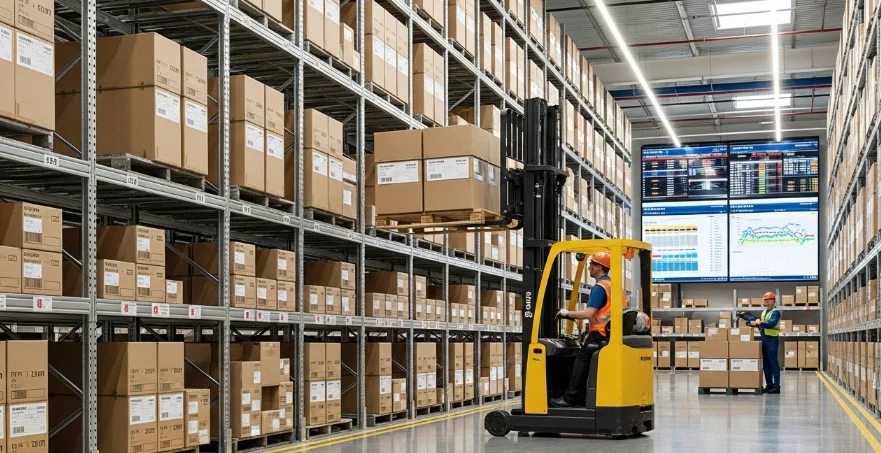
Storage management is all the processes that enable a business to store its products in the right conditions, in an orderly and traceable manner. This process includes not only the entry of products into the warehouse, but also many stages from shelf placement to stock tracking, from preparation for shipment to security measures. Storage management in logistics is one of the most critical links in the supply chain; Because availability of products at the right place and time directly affects meeting customer demands. Incorrect or incomplete storage management may cause order delays, wrong product shipments and cost increases.
The importance of storage management in modern logistics has increased, especially in the e-commerce and fast-moving consumer sectors. Because in these areas, order volumes are high and delivery times are quite short. Thanks to storage management, businesses optimize product flow, providing cost advantages and increasing customer satisfaction. In addition, the logistics software used in warehouse management allows managers to instantly monitor the stock status with real-time reporting. Thus, planning, risk management and strategic decisions are made more efficiently.
How to Plan an Effective Warehouse?
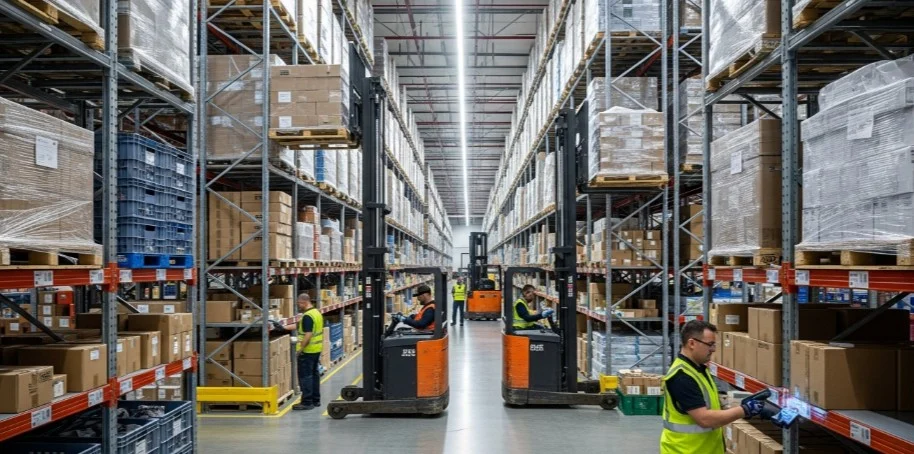
An effective warehouse planning aims to place and move products in the warehouse in the most efficient way. The first step is to analyze the warehouse space correctly. Appropriate shelving systems and storage areas are determined by taking into account the size, weight, frequency of movement and special storage conditions of the products. Keeping high-volume and fast-moving products in easily accessible points speeds up order preparation processes. In addition, the width of the roads inside the warehouse, forklift movement areas and security regulations also play an important role in the planning process.
Another important element in warehouse planning is the integration of technology. Barcode and RFID systems make it easy to track the location of products, while warehouse management software automatically tracks product flow. In this way, human errors are minimized and order preparation time is shortened. Effective planning also balances employee workload and reduces unnecessary movements within the warehouse. This both saves time and reduces risks in terms of occupational safety.
How to Apply FIFO and LIFO Methods in Storage Management?
FIFO (First In, First Out) method envisages that the products that enter the warehouse first are shipped first. This method is especially critical for food, pharmaceutical and chemical products with limited shelf life. FIFO application is carried out by arranging the products according to their expiration dates and planning the shelves accordingly. Warehouse management software and barcode systems reduce the risk of errors by ensuring automatic application of the FIFO method.
LIFO (Last In, First Out) method involves shipping the products that entered the warehouse last, with priority. This method is generally preferred for products with a long shelf life or in sectors where price fluctuations are intense. LIFO can be used especially in cost calculations and in businesses that want to provide tax advantages. However, if not applied correctly, it may cause old products to remain in storage for a long time. Therefore, businesses should consider their product types, industry requirements and financial goals when deciding which method to choose.
Why is Stock Rotation Important in Warehouse Management?
Stock rotation refers to the regular movement of products in the warehouse and their shipment in a certain order. This application is a critical process to maintain the freshness of products, especially those with a shelf life. Without stock rotation, old products may remain in the warehouse for a long time and lose their value. This situation leads to both cost loss and customer dissatisfaction. Thanks to rotation, products are constantly renewed, thus reducing waste and ensuring effective use of stocks.
In addition, stock rotation is important not only for product freshness but also for warehouse efficiency. Regular rotation allows more efficient use of warehouse space and increases stock visibility as products are constantly in motion. Rotation systems supported by warehouse management software automatically determine which product should be shipped and when. In this way, businesses reduce operational errors and make their strategic planning more sound.