What Types of Storage Methods Are Available?
Storage is one of the cornerstones of the logistics industry and helps the uninterrupted operation of the supply chain by ensuring that products are kept in the right conditions. Storage period, quality, durability and regulatory obligations of the products determine which storage method will be preferred. Incorrect storage methods can lead to loss of quality in products and serious costs for businesses.
General storage types; It is classified as open storage, closed storage, cold storage, temporary storage, free storage and hazardous material storage. Each type of storage responds to a different need. By choosing the right storage method, businesses optimize their costs and increase customer satisfaction.
Open Storage
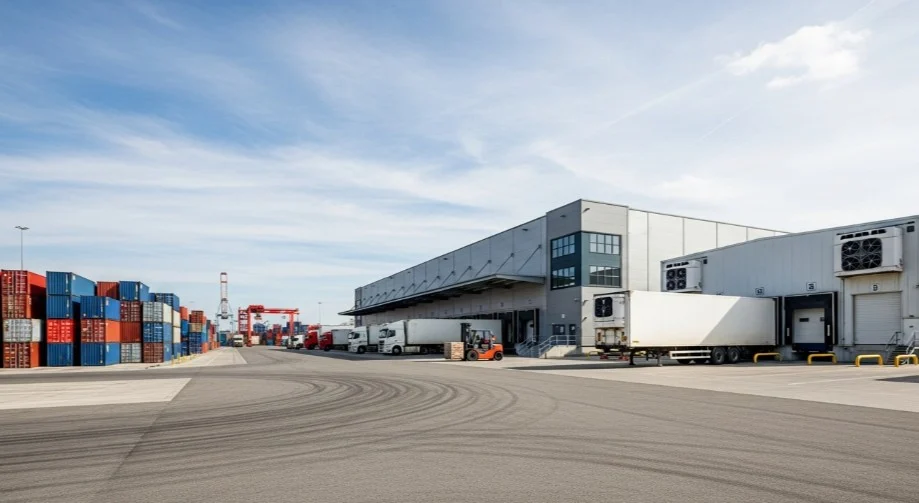
Open storage refers to the storage of highly durable products in open areas in a way that is not affected by climatic conditions. Products such as construction materials, metal pipes, containers, wood, mineral products and scrap are frequently included in this type of storage. Open warehouses are generally established on large areas of land and offer low-cost storage advantages to businesses.
This method is preferred in logistics processes as it provides fast loading and unloading. However, there is always the possibility that natural factors may damage the products. For this reason, security measures should be increased in open storage areas, products should be stacked in a certain order and additional protection measures should be taken against adverse weather conditions such as rain and snow.
Closed Storage
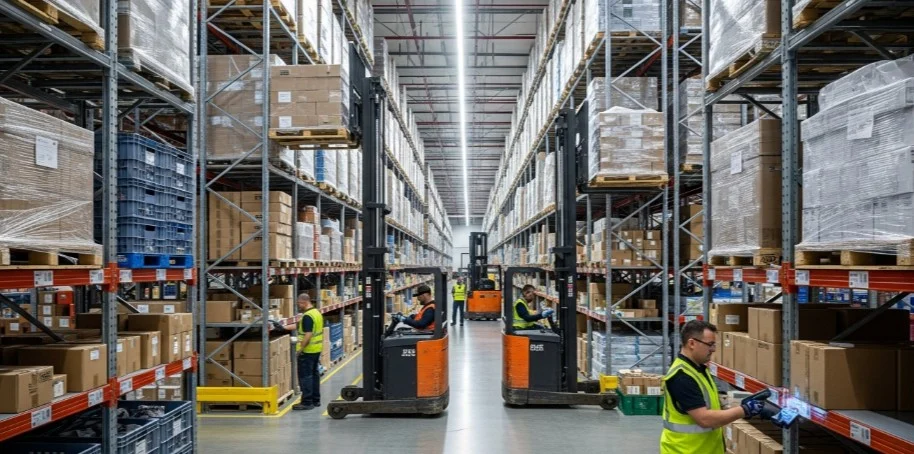
Closed storage ensures that products are kept in closed facilities, protected from weather conditions. This method is especially preferred for food, textiles, electronic goods and sensitive products that can be damaged easily. When closed warehouses are supported by air conditioning systems, the shelf life of the products is extended and quality losses are minimized.
Inventory management can be done in closed warehouses using modern shelving systems, automation solutions and barcode tracking. This helps keep products both safe and tidy. In addition, security cameras, fire extinguishing systems and anti-theft measures are indispensable for closed warehouses. It is one of the most preferred storage methods for the protection of high-cost products.
Cold Storage
Cold storage facilities are specially designed facilities for the protection of products sensitive to temperature and humidity values. Food products, medicines, medical supplies and some chemicals are stored in these warehouses. For example, preserving fresh fruits and vegetables in a cold chain significantly extends their shelf life and ensures they reach the consumer in a healthy condition.
The technology used in these warehouses is quite advanced. Thanks to temperature sensors, humidity control systems and automatic monitoring software, the quality of the products is constantly controlled. Since breaking the cold chain can lead to product loss and serious costs, a 24/7 monitoring system is mandatory in these warehouses. It is of critical importance to ensure the safety of medicines, especially in the healthcare sector.
Temporary Storage
Temporary storage covers the short-term preservation of products. In these warehouses, which are used especially during customs procedures, goods are kept until taxation and other official procedures are completed. It is also widely preferred in transit transportation. Temporary warehouses come into play when goods are transiting from one country to another or need to be kept during the import-export process.
The advantage of temporary storage is that it is low in cost and enables fast processing. However, these warehouses do not offer a long-term solution. The goods must be cleared from customs or transferred to another warehouse at the end of the specified period. Otherwise, both the products and the business may face criminal sanctions.
Free Storage
Free warehouses are storage areas that are outside the customs line and provide a significant advantage in international trade. In these warehouses, goods can be kept for a long time without paying customs duties. Exporting and importing companies can postpone taxes and gain financial comfort by storing their products in free warehouses.
Apart from this, in free warehouses the goods can be repackaged, processed or prepared for different countries. This provides flexibility in international trade. Free warehouses are usually located in major port cities or strategic logistics centers. It is indispensable for companies that want to gain global competitive advantage.
Dangerous Goods Storage
Dangerous goods storage is a storage method that requires high security and is subject to special standards. Flammable, explosive, toxic or environmentally harmful substances are stored in these warehouses. Special insulation and fire prevention systems are used for substances such as chemical industry, petroleum products or industrial gases.
These warehouses have ventilation systems, special floor coverings, emergency exits and constant security inspections. In addition, it is mandatory to fully comply with national and international legislation. Storage under incorrect conditions poses a great danger not only for businesses, but also for society and the environment. Therefore, hazardous material storage should only be managed by expert teams.