How Do Shipments Accumulate in Logistics?
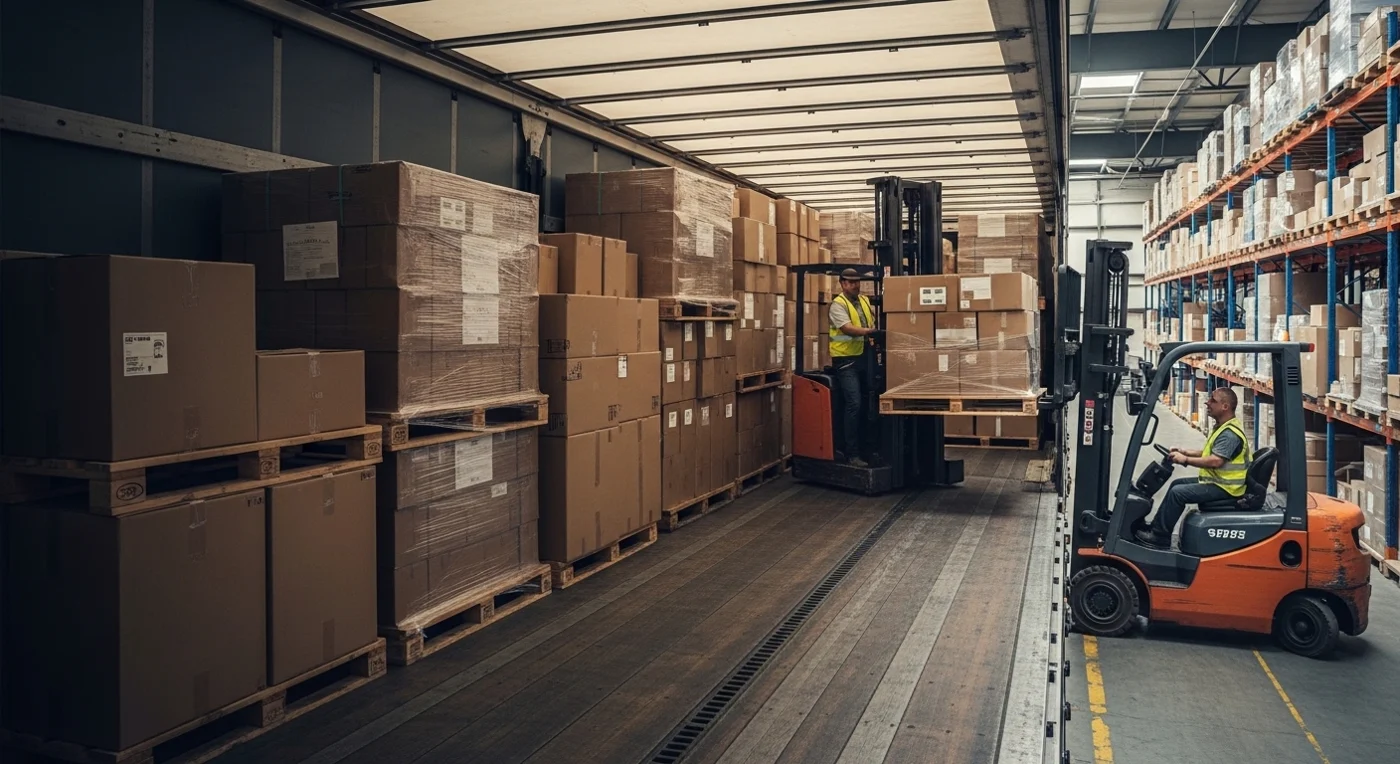
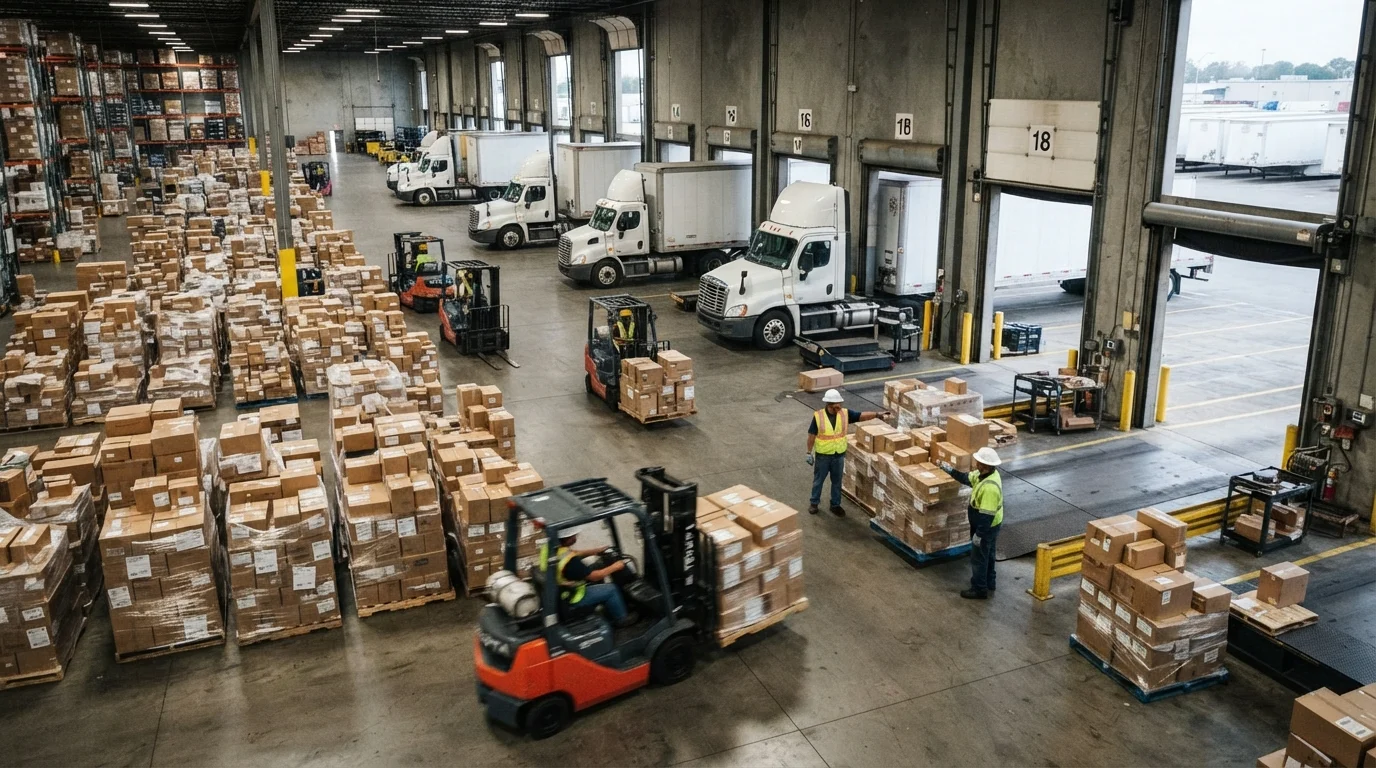
In logistics, shipment backlog occurs as a result of shipments planned to be prepared or released exceeding the current operational capacity. This situation often cannot be explained only by the increase in the number of orders. Many different reasons may be effective at the same time, such as lack of vehicles, late preparation of products, lack of personnel, density in the loading area, changes in delivery hours or prolongation of document processes. Especially in businesses with high daily operation volume, even a small delay can quickly turn into a chain backlog. Therefore, in order to understand why shipments are waiting, it is necessary to look not only at the total business volume but also at what stage of the process the bottleneck occurs.
Shipment backlog not only affects the current day's performance, it can also destabilize subsequent operations. Delayed loads take up space in the shipping area, cause vehicle plans to change, and may make it difficult to prepare new orders. Monitoring pending orders, vehicle availability, loading status and planned departure times through logistics programs can make it more visible at what point the accumulation begins. However, for this visibility to be useful, the data must be up-to-date and compatible with the operation. Otherwise, the fact that a shipment that appears ready in the system has not yet been completed in the field may mislead the planning.
What are the Main Reasons Leading to Shipment Backlog?
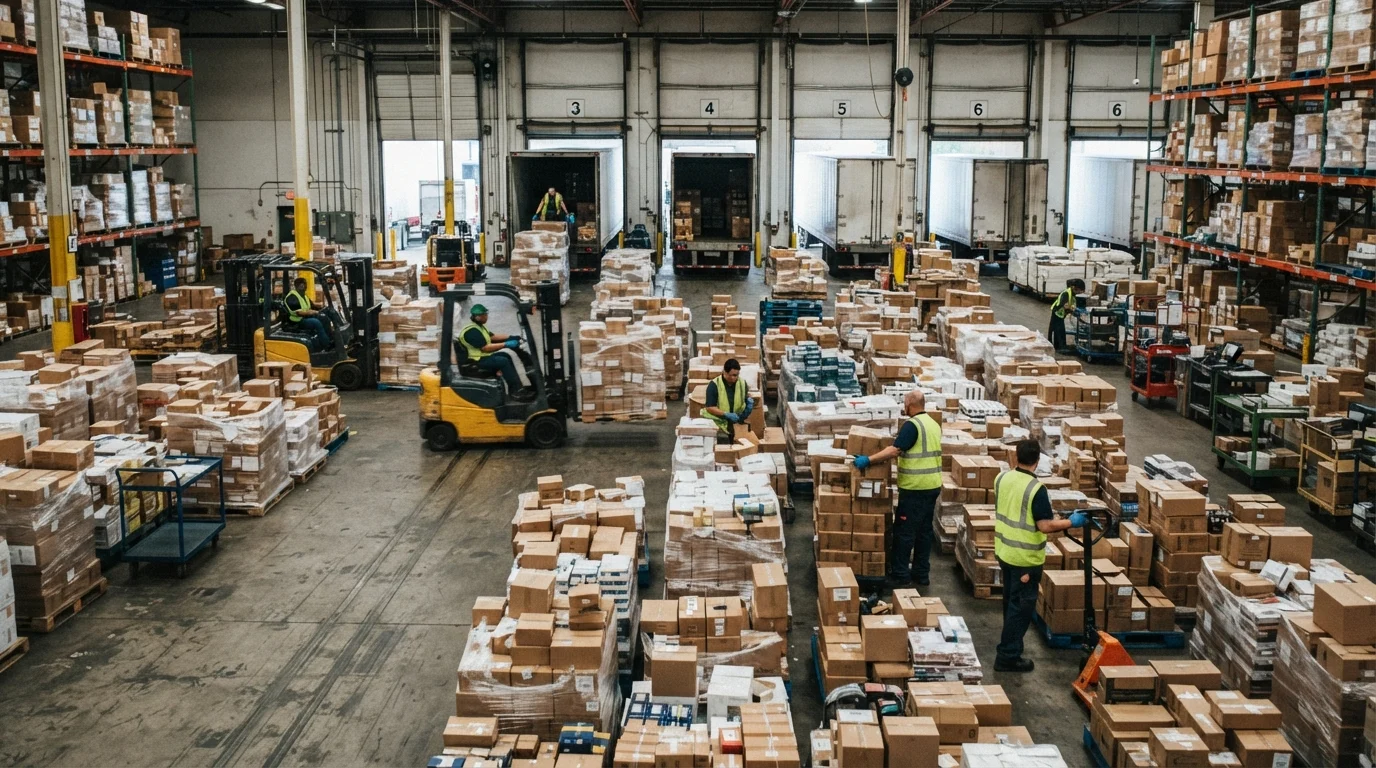
One of the most common reasons for the accumulation of shipments is that the daily order volume and current operational capacity do not meet each other. Especially during periods such as seasons, campaigns or unexpected demand increases, the personnel, vehicle and loading capacity that is sufficient on normal days may become insufficient in a short time. In addition, stock information not being up-to-date, products being located in different locations, orders being prepared late, or transportation documents not being completed on time may also extend the delivery time. It is not enough for a shipment to be physically prepared; The load control, documentation and vehicle assignment processes must also be completed. When there is a delay in any of these steps, the load begins to wait in the shipping area.
Accumulation can sometimes occur without increasing the total load amount. When the same tonnage or number of boxes is divided among more customers, more picking, packaging, document preparation and delivery point management are required. Similarly, an increase in loads requiring special transport conditions may slow down the standard operation flow and make it difficult to find suitable vehicles. Therefore, shipping density should not be measured only by tonnage, number of pallets or boxes. The number of orders, delivery point, product variety and complexity of the operation also directly affect the risk of backlog.
How Does Lack of Vehicle, Personnel and Loading Capacity Affect the Process?
When the vehicle capacity is insufficient, the prepared loads cannot leave on time and begin to accumulate in the shipping area. Having empty vehicles in the fleet does not always solve the problem; Only certain types of vehicles can be used due to the volume, weight of the load or special transport conditions. In addition, existing vehicles return late from other trips, are under maintenance, or cannot be used due to lack of drivers, which also reduces the actual capacity. In this case, even if there seems to be a sufficient fleet in the system, the number of vehicles that can be used when the operation needs it may be insufficient. As a result, shipments wait, departure times shift and the delivery schedule has to be rearranged.
Personnel and loading capacity likewise limit the speed of the operation. When there are not enough employees, picking, checking, packaging and loading times are prolonged; As density increases, the risk of error increases. In addition, inadequacy of equipment such as ramps, forklifts, pallet trucks or handheld terminals may slow down the loading process even if the personnel and vehicle are ready. A common problem is the formation of a queue in front of the ramp when many vehicles arrive at the facility at the same time. For this reason, shipping capacity should be determined not only by the number of vehicles, but also by evaluating all resources used from the warehouse to the exit.
How Planning and Coordination Errors Lead to Shipping Delays
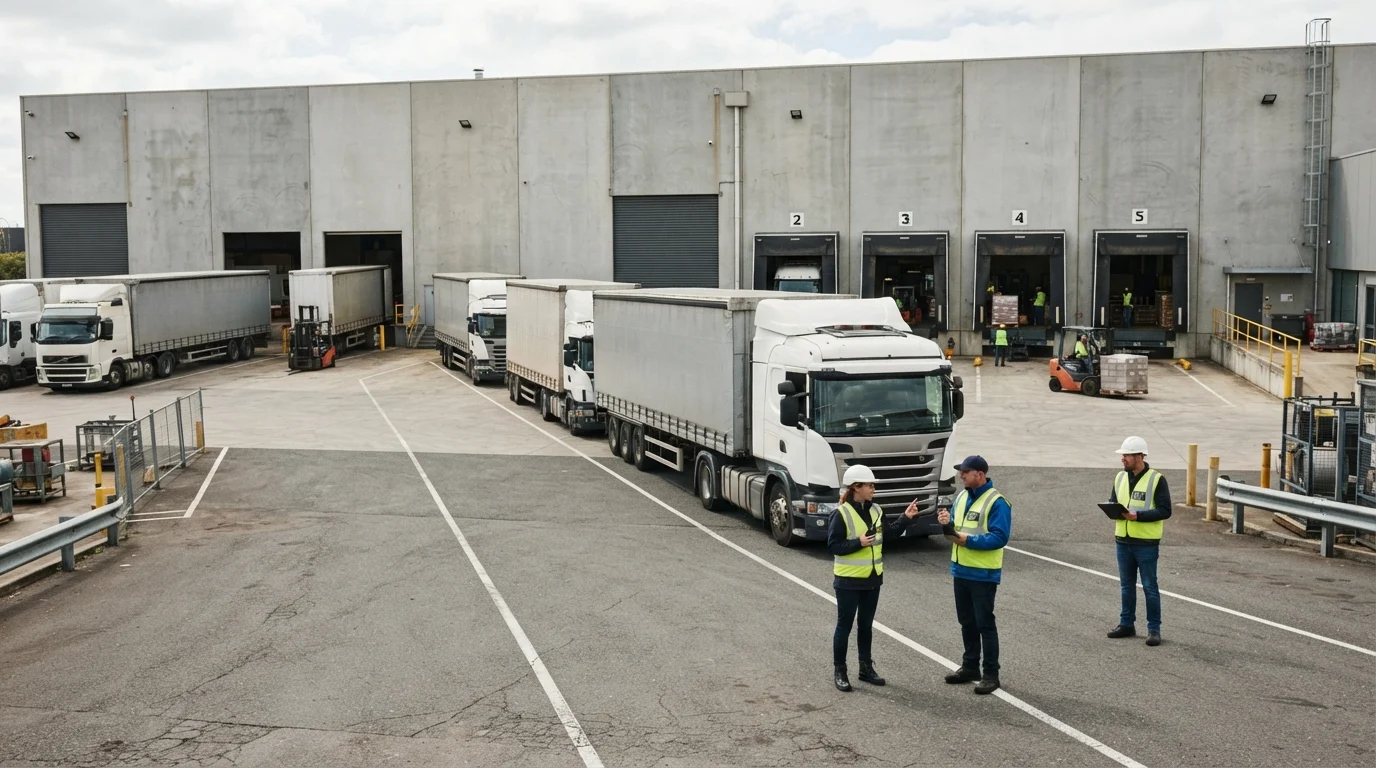
Planning errors can cause shipment backlogs to occur before the operation begins. If daily order volume, vehicle needs, delivery hours or loading times are not calculated realistically, the plan may not be implemented in the field even if it seems possible on paper. Improper prioritization is also a major problem; Late preparation of orders with more critical delivery time or assignment of unsuitable vehicles may increase last minute changes. Such changes affect not only a single shipment, but also subsequent jobs planned for the same vehicle or dock. Especially in busy operations, a small planning error can turn into a major delay later in the day.
Lack of coordination causes information to progress differently on the warehouse, transportation and customer sides. For example, if the load is not yet ready when the vehicle arrives at the facility, if the customer has changed the delivery time but this information has not reached the planning team, or if the documents are missing when the warehouse thought the order was completed, a wait occurs. Likewise, if last-minute changes made by sales or customer services are not shared in a timely manner, the current route and vehicle plan may lose its validity. Late transfer of information may result in additional costs such as the need for additional vehicles or reloading. For this reason, all teams in the shipment flow must work on the same up-to-date information.
What Measures Can Be Taken to Reduce Shipment Backlog?
In order to reduce the shipment backlog, it must first be determined at what stage the problem started. By examining past operation data, it can be analyzed on which days the density increased, at which hours there was a loading delay, on which routes there was a vehicle shortage, and which order types were waiting longer. This data helps understand whether the buildup is random or a recurring capacity problem. Accordingly, personnel shifts, vehicle plans and ramp usage hours can be arranged more realistically. If busy periods can be predicted in advance, additional carriers, spare vehicles or temporary personnel capacity can be kept ready before the operation begins.
In addition, determining shipment priorities with clear rules, evenly distributing vehicle arrival times and regularly monitoring the status of the prepared loads can prevent the accumulation from growing. When shipments that are approaching their departure time but have not yet been completed are noticed early, vehicle changes, priority updates or alternative loading plans can be made. The aim is not only to dissolve existing backlogs but also to prevent new shipments from entering the same bottleneck. Shipment delays can be managed in a more controlled manner when early warning, capacity monitoring and regular coordination are provided within the operation. Thus, it can be reduced that the accumulation does not carry over to the next days and creates permanent pressure on the operation.