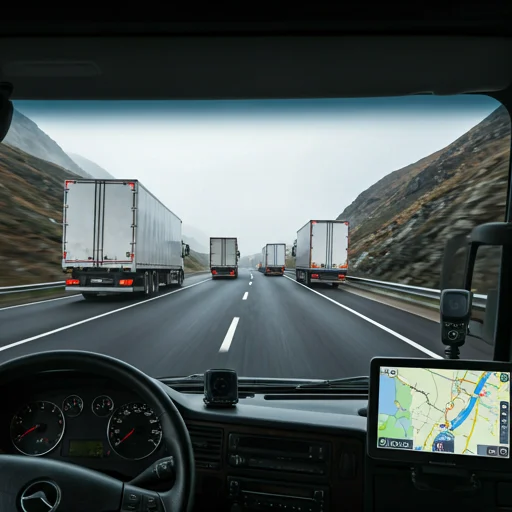
vehicle tracking systemsToday, it is an important technology that allows businesses to optimize their logistics processes and increase efficiency. These systems enable real-time tracking of vehicles' locations, route planning and analysis of fuel consumption. However, the integration of vehicle tracking systems with other software and platforms further increases the potential of these systems.
Benefits of Vehicle Tracking Integrations
- Productivity Increase:Thanks to integrations, faster and more accurate decisions can be made by integrating vehicle tracking data into other business processes.
- Cost Reduction:Costs can be reduced thanks to data obtained on issues such as fuel consumption, maintenance costs and route optimization.
- Customer Satisfaction:Customer satisfaction can be increased by shortening delivery times and more accurate delivery estimates.
- Security:Thanks to real-time tracking of vehicles, risks such as vehicle theft can be minimized.
- Reporting:Thanks to integrated systems, more detailed and comprehensive reports can be created.
Integration Areas of Vehicle Tracking Systems
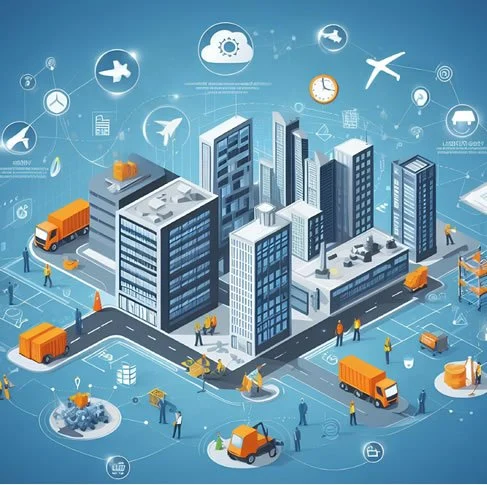
- ERP Systems:Thanks to the integration, processes such as order management, inventory tracking and invoicing can be automated.
- CRM Systems:Integration with customer relationship management systems improves the quality of customer service and optimizes sales processes.
- Mobile Applications:Thanks to mobile applications, vehicle drivers, customers and managers can access real-time information.
- Map Applications:Integration with mapping applications such as Google Maps or Yandex Maps provides convenience in matters such as route planning and traffic status monitoring.
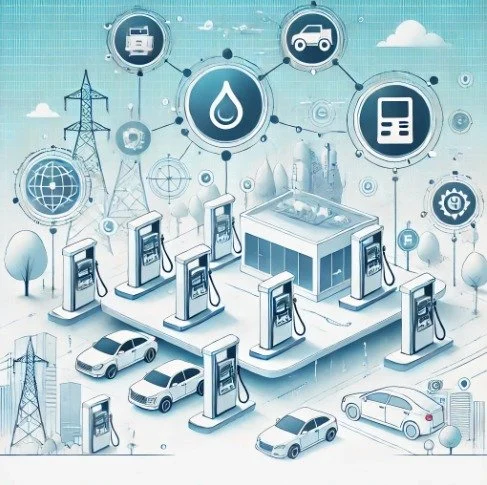
- Fuel Card Systems:Thanks to integration with fuel card systems, fuel consumption and expenses can be analyzed in more detail.
- Maintenance Management Systems:Data such as vehicle maintenance schedule and maintenance costs can be integrated with maintenance management systems to extend the life of vehicles.
Advantages of Integration
- Automation:Data entry-exit processes are automated, reducing the risk of errors and saving time.
- Real Time Information:All stakeholders have access to data updated in real time.
- Decision Making:Thanks to data analysis, more accurate and faster decisions can be made.
- Productivity:Efficiency is increased by optimizing business processes.
In summary, the integration of vehicle tracking systems provides the following benefits to businesses:
- Productivity increase
- cost reduction
- customer satisfaction
- Security
- Reporting
Additional Information:
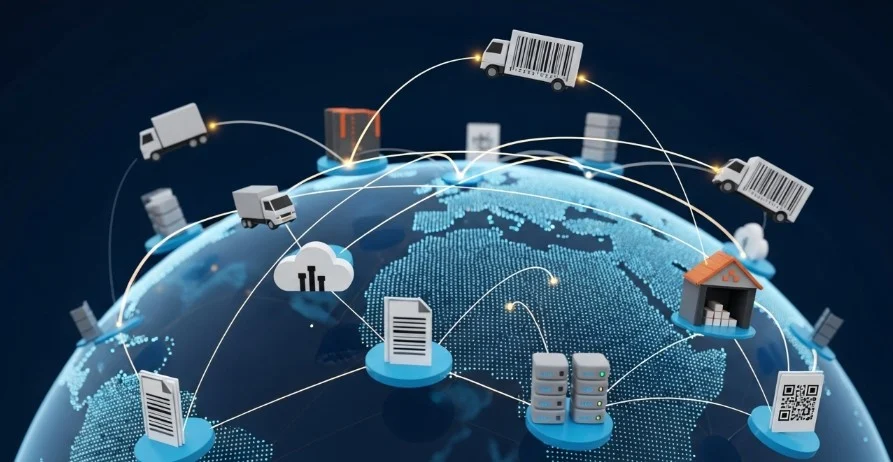
- API Integrations: APIs used to exchange data between different systems facilitate integration processes.
- Cloud Technologies: Cloud-based vehicle tracking systems provide scalability and accessibility.
- Data Analysis: By analyzing the collected data, businesses can make better decisions for the future.
Conclusion
Integration of vehicle tracking systems with other software and platforms allows businesses to make their logistics processes more efficient and gain a competitive advantage. Thanks to these integrations, businesses can reduce their costs, increase customer satisfaction and contribute to their growth.
Evren Computer systems are an important technology that allows businesses to optimize their logistics processes and increase efficiency today.