Digital Solutions for Shipping Companies
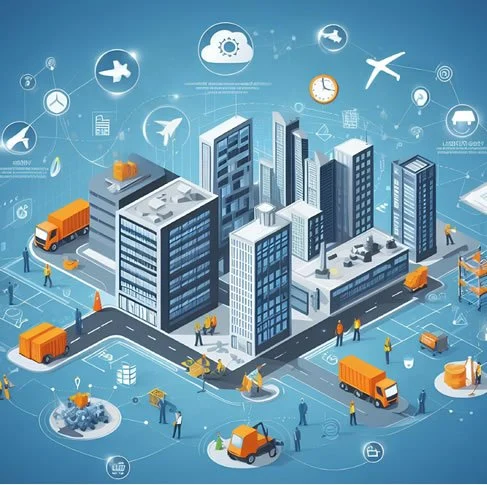
Digitalization in the transportation industry not only increases operational efficiency; It also allows the establishment of a more sustainable, traceable and low-cost structure. Digital solutions for companies; fleet tracking, route planning, e-invoice integration, warehouse management, digital reconciliation, web-based It covers many components such as process tracking and mobile applications.
These solutions provide much faster information flow compared to traditional methods. Operational processes can be carried out from a single platform; It both reduces labor needs and minimizes error rates. It also facilitates compliance with legal obligations, allowing companies to adapt to digital transformation smoothly.
How to Automate Digital Invoice and Document Processes
Document traffic is quite intense in the transportation industry. Documents such as delivery notes, transportation contracts, invoicing and delivery documents are involved at every stage of the operation. Transferring these documents to digital media both saves time and increases document security. In particular, e-invoice and e-archive systems minimize errors by eliminating the manual invoicing process.
Automation is possible thanks to the integration of these systems with ERP, accounting and operations software. When a transportation operation is completed, the system automatically creates the invoice, forwards it to the relevant people and archives it. This both speeds up accounting processes and ensures compliance with legislation.
How Do Digital Systems Work in Warehouse and Stock Management
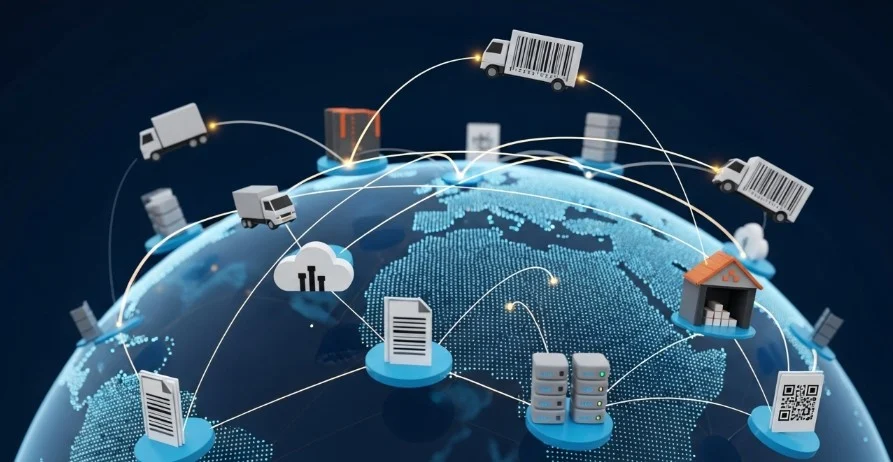
Warehouse and stock management is one of the most critical steps in logistics operations. Tracking all processes from goods acceptance to exit with digital systems affects both stock accuracy and delivery times. Modern warehouse management systems (WMS) work with barcode or QR code technology to process the entry, exit and placement data of products in real time.
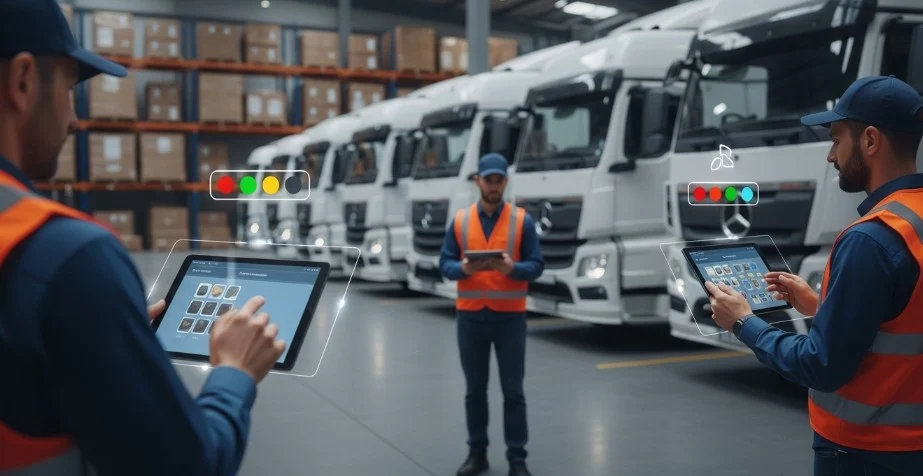
Thanks to these systems, inventory levels can be monitored instantly and missing or excess product errors can be detected in advance. In addition, detailed reporting on past stock movements is provided, making planning processes more strategic. The ability of warehouse employees to perform transactions via mobile devices significantly increases the speed of operations.
Why Do Digital Reconciliation Processes Convenience?
Reconciliation processes are serious time-consuming processes, especially in transportation companies with high-volume operations. Manual comparison of sent and received invoices, service reports, and statements is a process prone to human error. Digital reconciliation systems automate this process, comparing the data of both parties simultaneously and reporting the differences.
These systems generally work integrated with e-mail, ERP or e-invoice systems to match invoices with services. Automatic reconciliation reduces the workload of the finance department and speeds up collection processes. Especially for companies that frequently work with suppliers and subcontractors, digital reconciliation systems become one of the fundamental elements of operational continuity.
Why is Web-Based Tracking Preferred in Shipping Processes?
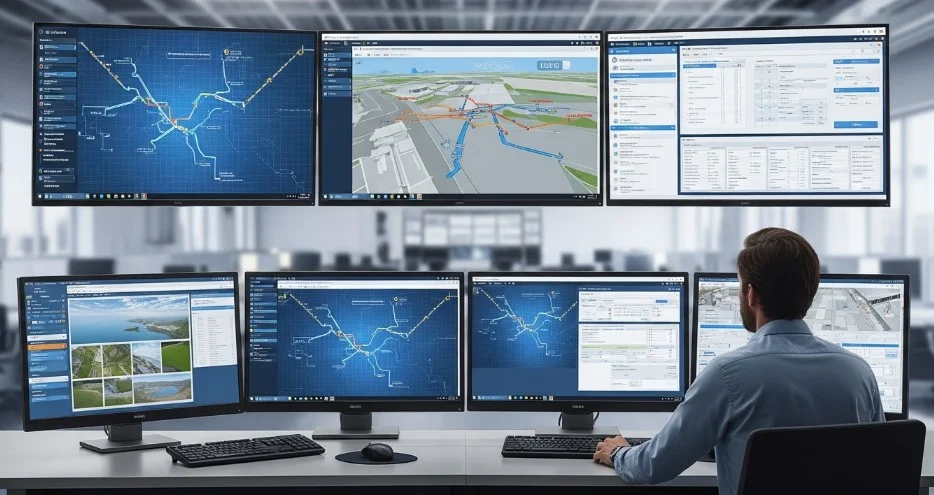
Web-based tracking systems enable uninterrupted communication between teams and field personnel working in different locations. The system can be logged in from anywhere with internet access and operations can be monitored in real time. This structure greatly facilitates the control of operations, especially outside the head office.
In addition, web-based systems reduce the user's responsibility for issues such as software updates and data backups. Thanks to the up-to-date and central database, decision makers can access accurate information. Data such as real-time vehicle tracking, delivery status, shipping documents and driver performances become accessible via the web platform.