Digitalizing Road Transport Processes
Road transportation operations; It consists of many interconnected stages such as order acceptance, vehicle selection, driver assignment, route planning, loading, document preparation, delivery tracking and invoicing. When these processes are managed through phone calls, e-mails, messaging applications and different Excel files, information disorganization may occur. It may not always be clearly visible in which file the current information regarding the shipment is located, who made the last change or which delivery time was notified to the customer.
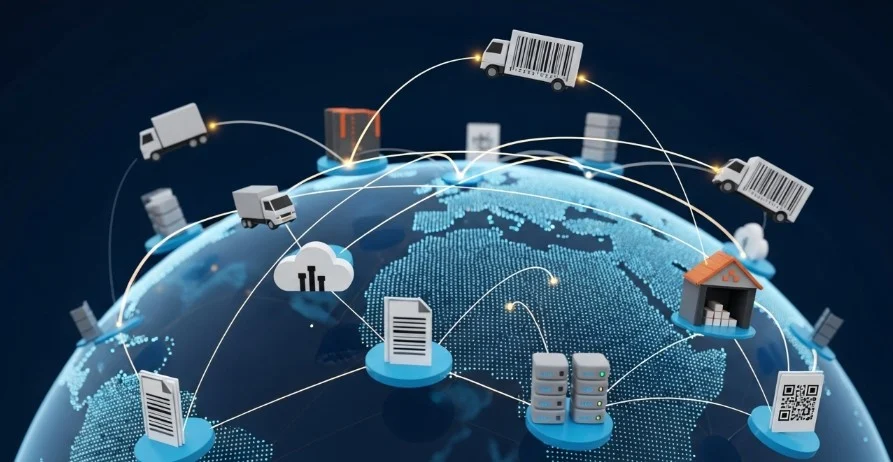
Digitalization of road transport processes does not only mean transferring documents to computers. The main purpose is to manage all information in an interconnected manner, from receiving the order to completing the delivery. When a load record is created, the size, weight, origin and destination of the load, suitable vehicle, driver, cost, transportation documents and delivery status can be associated with the same operation record.
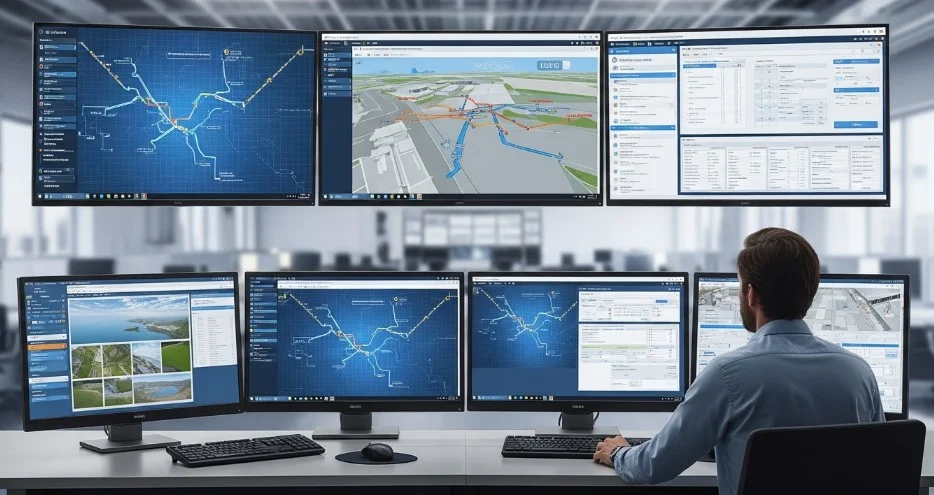
Thanks toLogistics programs, operations teams can work through a common system instead of collecting information from different sources. Vehicle availability, driver status, loading time, route, delivery document and cost information can be tracked centrally. Thus, changes occurring during the operation can be managed more quickly and errors caused by manual data entry can be reduced.
Digitalization enables operations managers not only to track current shipments but also to analyze past operations. It can be reported which routes are experiencing delays, which customers have vehicles waiting for a long time, which vehicles are operating at low occupancy, or which transportations exceed the planned cost. This data helps plan subsequent shipments in a more realistic and controlled manner.
How is Road Transport Affected by Digital Transformation?
One of the most obvious effects of digital transformation in road transportation is that operational information becomes more accessible. In traditional methods, to find out the current status of the shipment, the operations manager may need to call the driver, meet with the warehouse or collect information from different personnel. In digital systems, the stage of the load, whether the vehicle is moving, and whether the delivery has been completed can be monitored on a common screen.
This visibility allows different departments to work with the same information. While the sales team provides price and delivery information to the customer, the operations team monitors the vehicle planning and the accounting unit monitors the cost and invoicing process. If information is kept in disconnected systems, different records may occur for the same load. Thanks to the integrated structure, order information can be transferred to the operation record, and the operation result can be transferred to the invoicing process.
Digital transformation also affects planning speed. When a new transportation request arrives, options suitable for the characteristics of the load, route and vehicle capacity can be evaluated in a shorter time. For example, if the measurements of three different partial loads to be sent from Istanbul to Ankara are available in the system, it can be more easily checked whether these loads can be transported in the same vehicle. Thus, it is possible to use vehicle capacity more efficiently.
Managing changes that occur during the operation also becomes easier. The relevant record can be updated in case the vehicle breaks down, the loading time changes, the buyer postpones the delivery appointment, or an unexpected problem occurs on the route. Since up-to-date information can be seen by operations, customer services and management, the risk of communication breakdown is reduced.
Another effect of digitalization is that managers can make decisions based on operational data rather than guesswork. Indicators such as the number of trips per vehicle, delivery success, empty kilometers, average waiting time, revenue and cost per transportation can be monitored regularly. In this way, decisions such as expanding the fleet, opening a new line or increasing the use of outsourced vehicles can be evaluated more accurately.
What Problems Do Digital Systems Solve in Transportation Management?
One of the most common problems in transportation management is that information is available to different people and different communication channels. The load information sent by e-mail by the customer can then be transferred to a table, vehicle assignment can be made by phone and the delivery address can be sent to the driver by message. This fragmented structure may result in incomplete or outdated information.
Digital systems bring together basic information about the shipment in a single operation record. Sender and recipient information, cargo dimensions, weight, vehicle type, loading date, delivery address and special transportation conditions can be viewed on the same record. When information changes, the existing operation record can be updated instead of preparing a new file.
Conflicts in vehicle planning can also be reduced with digital systems. Assigning the same vehicle to two different shipments at the same time, including a vehicle under maintenance in the operation, or assigning a task to an off-duty driver are problems that may be encountered in manual planning. Keeping vehicle and driver statuses updated in the system enables unsuitable resources to be detected earlier during planning.
Document deficiencies are one of the important issues that cause delays in road transportation operations. When the vehicle hits the road without completing the transport document, delivery note, invoice, driver information or the necessary customs documents for international transportation, problems may occur at border crossings and delivery points. Thanks to the digital control flow, it can be checked whether the necessary documents are ready before shipment.
Disorganization in cost tracking can also be taken under control with digitalization. Expenses such as fuel, highway, bridge, driver allowance, external supplier freight, waiting and additional delivery can be associated with the relevant voyage. Thus, the price given to the customer can be compared with the actual cost incurred at the end of the operation. It can be seen more clearly why the planned profitability did not materialize.
Digital systems do not completely eliminate communication traffic, but they reduce unnecessary conversations. Instead of the customer calling different personnel to find out where his load is, the current status can be shared through the system. Operations employees can also focus on solving exceptions and problems instead of constantly transferring information.
How is Freight Tracking and Delivery Verification Done Digitally?
Digital load tracking is not just about seeing the location of the vehicle on the map. It involves recording operational stages such as placing the load on the order, assigning it to the vehicle, loading it, exiting it, reaching its destination and delivering it in separate cases. In this way, it can be understood not only where the load is, but also at what stage of the transportation process it is.
Thanks to the integration with the vehicle tracking system, the location of the vehicle can be associated with the operation record. The operations team can check whether the vehicle is proceeding on the planned route and the estimated time of arrival. If the vehicle makes an unexpected stop or goes off route, the driver can be contacted to obtain information about the situation.
Load tracking in partial transportation requires a more detailed structure. There may be more than one load belonging to different customers in the same vehicle. Therefore, simply tracking the vehicle may not indicate whether a particular load has been delivered or not. Each load must be tracked separately by barcode, operation number or shipping code.
For digital verification at the point of delivery, mobile applications, barcode scanning, electronic signature, delivery photo or location verification can be used. When the driver completes the delivery, the recipient's name, delivery time and delivery note, if any, can be entered into the system. Thus, delivery information is transferred to the operation record without waiting for the paper document to reach the center.
If there is a situation such as a missing product, damaged packaging or the buyer not accepting the delivery during delivery, the description and visual can be added to the system. These records enable faster investigation of disputes that may arise with the customer. It also provides more data on whether the delivery issue is due to loading, transportation or the recipient.
Digital delivery verification can also speed up the billing process. When it is seen in the system that the delivery is completed, the operation can be closed and the necessary financial process can be started. In this way, invoice delays caused by delivery documents arriving at the office days later can be reduced.
How Does Digitalization Affect Fuel Consumption and Costs?
Fuel consumption in road transportation is one of the important parts of the total operation cost. However, reducing fuel costs is not limited to just driving fewer kilometers. Waiting in traffic, wrong routes, unplanned delivery queues, low vehicle occupancy and empty returns also increase consumption. Digital planning allows these areas to be evaluated together.
When creating the route, the location of delivery points, vehicle capacity, delivery hours and road conditions can be considered together. Combining loads going to the same area into a single vehicle can prevent different vehicles from operating unnecessarily on the same route. Sequencing deliveries correctly can also reduce vehicle backtracking and extra mileage.
Managing empty returns has a direct impact on cost. Matching a vehicle that has completed its delivery with a suitable load on the return route can prevent the vehicle from returning to the center empty. In order to do this, vehicle location, unloading time and pending load demands must be visible in the same system.
Digitalization also contributes to the planning of maintenance costs. Vehicle mileage information, maintenance dates, tire changes, inspection and insurance periods can be recorded. Assigning a vehicle that is due for maintenance to a busy trip can be prevented. This can reduce the risk of more costly problems such as breakdowns on the road, unplanned service and delivery delays.
If data regarding driver performance such as acceleration, hard braking, idle time and speed violations can be monitored, usage habits that increase fuel consumption can be determined. However, this data should be used not only to evaluate the driver, but also to determine training needs and realistic delivery plans.
To measure the cost advantage provided by digital systems, indicators such as fuel consumption per vehicle, empty kilometer rate, cost per delivery, waiting time and maintenance costs should be compared regularly. The real contribution of digitalization occurs not with the installation of software, but with the use of the obtained data in operational decisions.
Fleet management is the operational and financial controlled management of the vehicles a business owns, rents or receives service from. This process is not just about tracking the location of the vehicles; It covers many areas such as vehicle selection, maintenance planning, driver management, fuel consumption, route creation, insurance, legal deadlines and performance reporting.
Each vehicle in the transportation fleet is an important cost and capacity element for the business. In addition to the cost of purchasing or renting a vehicle, there are fuel, maintenance, tires, insurance, taxes, inspection, driver, highway and waiting costs. Therefore, how efficiently a vehicle is used is as important as its presence in the fleet.
Vehicles remaining empty for a long time, traveling with low occupancy, or experiencing frequent unplanned breakdowns may increase the total transportation cost. Similarly, not taking drivers' working hours into account can cause delivery plans to be unrealistic. Fleet management ensures that these resources are evaluated as parts of the same operation, rather than independently of each other.
Logistics programs help track vehicle, driver, voyage, load, maintenance and cost information on a common system. Thus, managers can see not only how many vehicles are in the fleet, but also which vehicle is where, for which job it is used, how much it costs and when it needs to be maintained.