Cost Effect of Using Domestic Transportation Software
Costs in domestic transportation activities do not consist only of fuel expenses. Inefficient use of vehicles, long waits for drivers, incorrect shipping plans, low occupancy rates, repeat deliveries and lack of communication between departments also increase the total transportation cost. As the volume of operations grows, it becomes difficult to track these expenses manually and small planning errors can turn into significant losses over time.
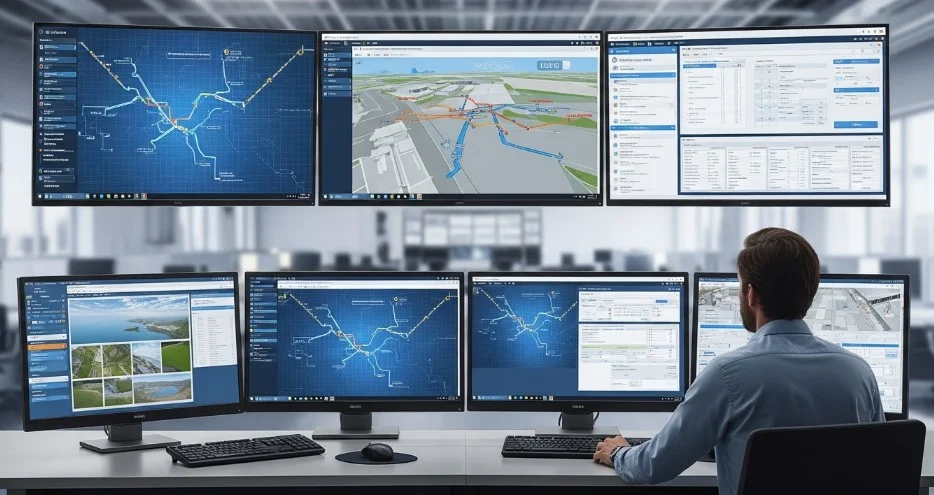
Domestic transportation software; It enables orders, vehicles, drivers, routes and delivery processes to be managed through a central structure. Thus, it can be seen more clearly which vehicle will carry which load, when the delivery will be made and what costs are incurred during the operation. Basing decisions on up-to-date data contributes to more efficient use of vehicles and personnel.
Using logistics software does not directly eliminate every cost. However, it can reduce unnecessary kilometers within the operation, empty returns, long waiting times, repetitive data entries and unplanned vehicle use. Therefore, cost advantage depends not only on the use of the software, but also on entering the data in the system correctly and preparing operation plans in line with this data.
How Do Transportation Software Increase Operational Efficiency?
Operational efficiency in domestic transportation means completing more shipments more regularly with available vehicle and personnel resources. In manual planning, order information, vehicle availability and delivery times can be kept in different files or communication channels. This causes operations teams to spend a significant portion of the day gathering information, interviewing drivers, and readjusting changing plans.
Transportation software reduces this mess by bringing the order and vehicle plan together on the same system. The operations manager can jointly evaluate available vehicles, driver statuses, pending loads and delivery schedule. For example, it can be more easily seen whether a vehicle that completes a morning delivery can be redirected to another shipment in the afternoon. Thus, while the idle time of vehicles during the day is reduced, the carrying capacity can be utilized more.
Efficiency doesn't just mean that vehicles work harder. Thanks to proper planning, unnecessary waiting for the driver in the warehouse, multiple phone calls for the same delivery or re-entering document information can be prevented. When the daily workload of the operations team decreases, employees can devote their time to more important processes such as problem solving and managing customer requests.
Reports received through the system also make it easier to identify points that reduce efficiency. You can see which vehicles frequently return empty, which customers are waiting, which regions have longer delivery times, and which drivers go off schedule. When this data is examined regularly, not only daily operations but also long-term capacity and vehicle investments can be planned more accurately.
Can Fuel Savings Be Achieved Through Road and Route Optimization?
Fuel expense is one of the most important cost items of domestic transportation operations. However, fuel consumption does not depend only on the technical characteristics of the vehicle or the total distance traveled. Choosing the wrong route, waiting for a long time in heavy traffic, incorrect ordering of delivery points and sending more than one vehicle to the same area can also increase consumption.
Route optimization helps create a more appropriate distribution order by evaluating information such as the location of delivery points, vehicle capacity, delivery hours and traffic conditions. For example, instead of sending different vehicles to three customers in the same region, it may be possible to combine deliveries on a single route if vehicle capacity is suitable. This approach can reduce both the total mileage and the number of vehicles used for the operation.
To save fuel, just finding the shortest route is not enough. A seemingly short route may cause more time and fuel consumption due to traffic congestion or vehicle restrictions. Therefore, travel time, delivery window, load characteristics, vehicle tonnage and return load possibility should be evaluated together in the route plan.
Reducing empty returns is also important in controlling fuel costs. Pairing a vehicle that has completed its delivery with a new load in the immediate area can prevent the vehicle from returning to the hub empty. When vehicle location and pending orders are tracked together through logistics software, such matching can be made faster and the transportation cost per vehicle can be reduced.
How Much Will You Save When Warehouse and Delivery Coordination Goes Digital?
Lack of coordination between the warehouse and the transportation operation is a problem that is often not directly visible but increases the total cost. If the load has not yet been prepared when the vehicle arrives at the warehouse, the driver has to wait. Similarly, delaying the vehicle even though the load is ready may cause unnecessary filling of the warehouse space and disruption of subsequent loading plans.
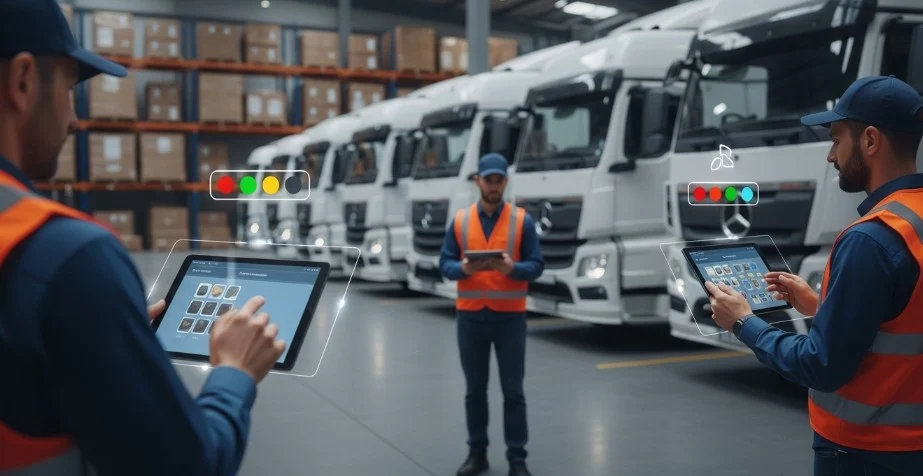
Thanks to digital coordination, the warehouse team can see in advance which vehicle will arrive at what time, which order needs to be prepared and the loading order. The operations team can also check whether the load is ready and direct the vehicle at the right time. Thus, the waiting time of vehicles at the door, unplanned loading changes and unnecessary mobility within the warehouse can be reduced.
A similar benefit occurs in the delivery process. Customer information can be provided more regularly when the driver's departure, approach to the delivery point or completion of the delivery is tracked through the system. If situations where the recipient is not ready for delivery are noticed in advance, the vehicle can be directed to another point or the delivery order can be changed. In this way, the risk of unsuccessful delivery and re-shipment is reduced.
The amount of savings to be achieved varies depending on each company's operation volume, number of vehicles and current operation. However, shortening waiting times, reducing repeat deliveries and correct loading planning; It affects fuel, personnel and vehicle usage costs together. Especially in businesses with a high number of daily shipments, even small time savings can turn into a significant cost advantage at the end of the month.
How Much Return on Investment Does Software Integrations Provide in Domestic Transportation?
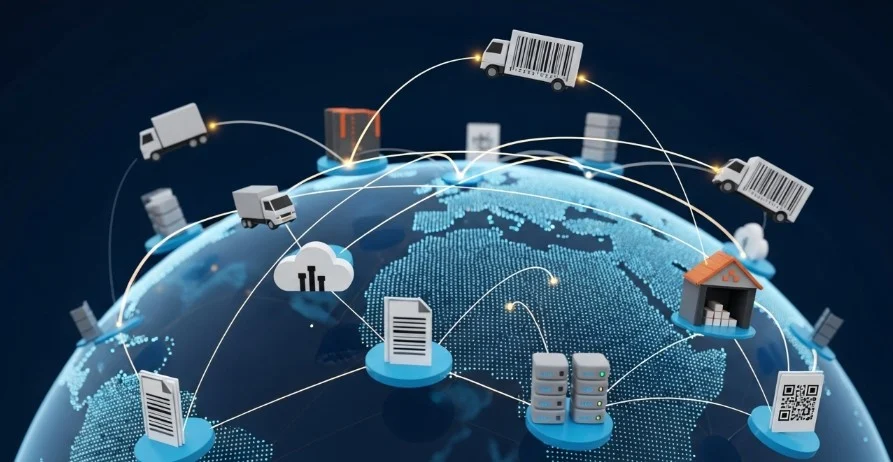
The integration of the software used in domestic transportation with other business systems prevents the same information from being entered repeatedly by different departments. Automatically transferring the order from the sales or ERP system to the transportation operation and transmitting the relevant information to the accounting and customer management side when the delivery is completed speeds up the processes. Thus, while the time spent by employees on manual data entry is reduced, information errors can be prevented.
Integration with vehicle tracking systems allows the location and route movements of vehicles to be evaluated together with the operation record. E-invoice and e-delivery note integrations can speed up document processes after delivery. Automatic sharing of information about shipment status through customer notification systems can reduce the phone and e-mail traffic of the operations team.
The return on software investment should not be evaluated solely on personnel savings. Reducing the empty mileage rate, increasing vehicle occupancy, decreasing waiting times, preventing delivery errors and accelerating the billing process are also parts of the return on investment. Therefore, the benefit provided by the system should be measured by comparing pre- and post-operative performance data.
The company must regularly monitor indicators such as cost per vehicle, revenue per shipment, empty return rate, on-time delivery rate and waiting time. Logistics software facilitates the reporting of this data, making it visible in which areas the investment provides a return. The results obtained can show that the software is not just an operations tool, but a long-term investment that supports cost and capacity management.