Cloud-Based Logistics Software: Simplify Your Work with Flexibility and Scalability
Rapid changes in the logistics industry are driving businesses toward more flexible, scalable solutions. Cloud-based logistics software stands out through the advantages it offers. More flexible and scalable than traditional software, these applications provide ideal solutions for optimizing logistics processes and managing operations more efficiently.
Advantages of Cloud-Based Logistics Software
- Flexibility: Businesses can easily scale their cloud-based software up or down as their size changes. This avoids unnecessary spending and lets them use only the resources they need.
- Scalability: Adapts immediately to increases or decreases in business volume without limiting growth.
- Accessibility: The software can be accessed from anywhere using any internet-connected device, allowing teams to work and collaborate from different locations.
- Automatic Updates: Software updates are applied automatically, removing the need for manual updates and ensuring that the latest version is always in use.
- Cost Savings: Fixed costs such as license fees, hardware and maintenance are eliminated. With a pay-as-you-go model, businesses pay only for the resources they use.
- High Efficiency: Automation reduces repetitive tasks, allowing employees to focus on more strategic work.
- Data Security: Strong security measures protect data.
Applications of Cloud-Based Logistics Software
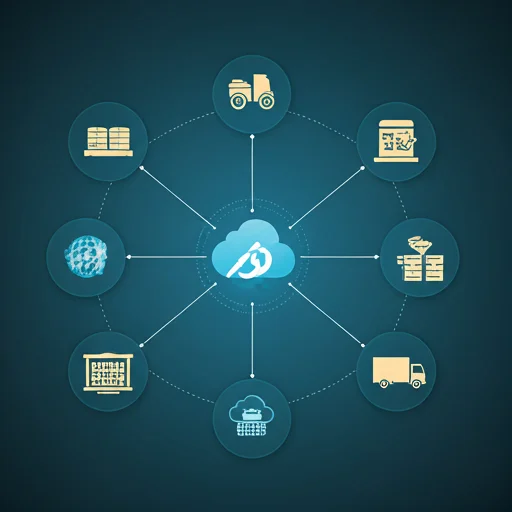
- Inventory Management: Tracking incoming and outgoing products, monitoring inventory levels and managing warehouses.
- Transport Management: Planning orders, optimizing routes and managing transport costs.
- Supply Chain Management: Managing relationships with suppliers and customers and improving supply chain visibility.
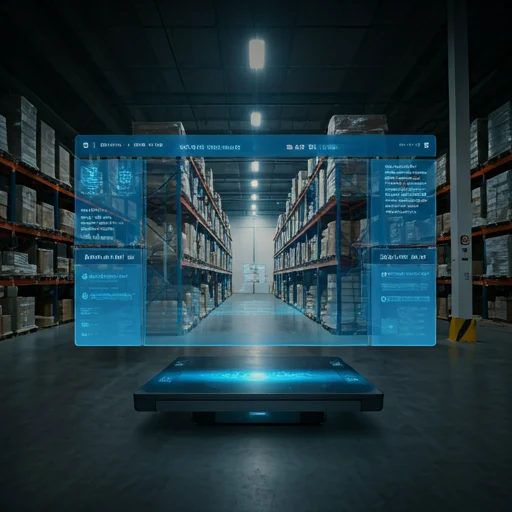
- Warehouse Management: Automating warehouse operations, planning layouts and managing teams.
The Future of Cloud-Based Logistics Software
Cloud-based logistics software is expected to develop further as cloud technology advances and technologies such as artificial intelligence are integrated. For example, predictive analytics will improve demand forecasting and optimize inventory management. Integrating autonomous vehicles and robots into logistics processes will also produce more efficient, flexible solutions.
At Evren Bilgisayar, our advanced cloud-based logistics software helps customers optimize their logistics processes.