How Should the Daily Vehicle Requirement in Logistics Be Determined?
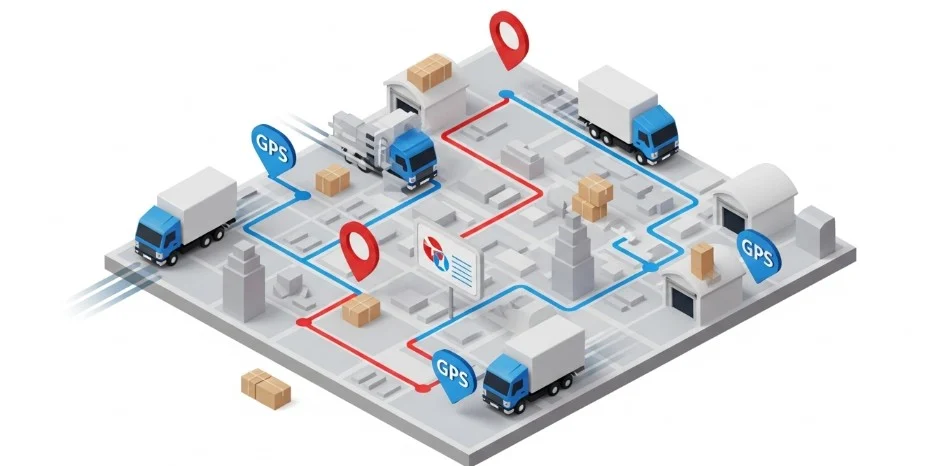
Daily vehicle requirement in logistics is determining how many vehicles will be needed by taking into account the weight, volume, delivery points, route lengths and operation times of the orders that need to be transported within a certain day. This calculation cannot be made by simply dividing the total load amount by the vehicle capacity. The same amount of freight may require more vehicles when the number and geographical distribution of delivery points are different. Especially in multi-point distribution operations, it may be necessary to use additional vehicles due to route duration even before the vehicle capacity is completely full. Therefore, daily vehicle planning should be evaluated in terms of both capacity and time.
The vehicle requirement for high volume transportation to a single customer and the same volume of cargo to be distributed to many customers are not the same. The size of the orders, delivery times, vehicle type requirements and how many trips the driver can make during the day should also be included in the planning. Evaluating order, vehicle, route and delivery data together through logistics software can facilitate a more realistic calculation of daily vehicle needs. However, it is important that the data used is up to date; Incomplete or incorrect order information may cause the planned number of vehicles to not meet the actual need.

What are the Basic Factors Determining the Daily Vehicle Need?
The main factors that determine the daily vehicle need are total load amount, weight, volume and number of orders. In addition, the number of delivery points and their distance from each other, the types of vehicles to be used, delivery time windows and loading-unloading times should also be taken into account. For loads requiring special temperature conditions, different body types or additional equipment, different vehicles from the standard fleet may be required. Therefore, even if the total number of vehicles is high, it should not be assumed that all vehicles are available for every order. The actual need should be determined by evaluating the characteristics of the load to be transported and the suitability of the existing fleet.
Driver availability and current duty status of vehicles are also important parts of daily capacity. If a technically ready vehicle does not have a driver or has not yet returned from its previous trip, it may not be possible to use it in that day's plan. Maintenance, breakdowns and scheduled reservations also reduce the actual number of available vehicles in the fleet. Additionally, if the same vehicle can make more than one trip during the day, the total vehicle need may decrease. For this reason, when calculating, not only the number of vehicles owned, but also the actual capacity that can be put into operation at certain hours should be taken into account.
How Does Order Volume and Number of Delivery Points Affect the Number of Vehicles?
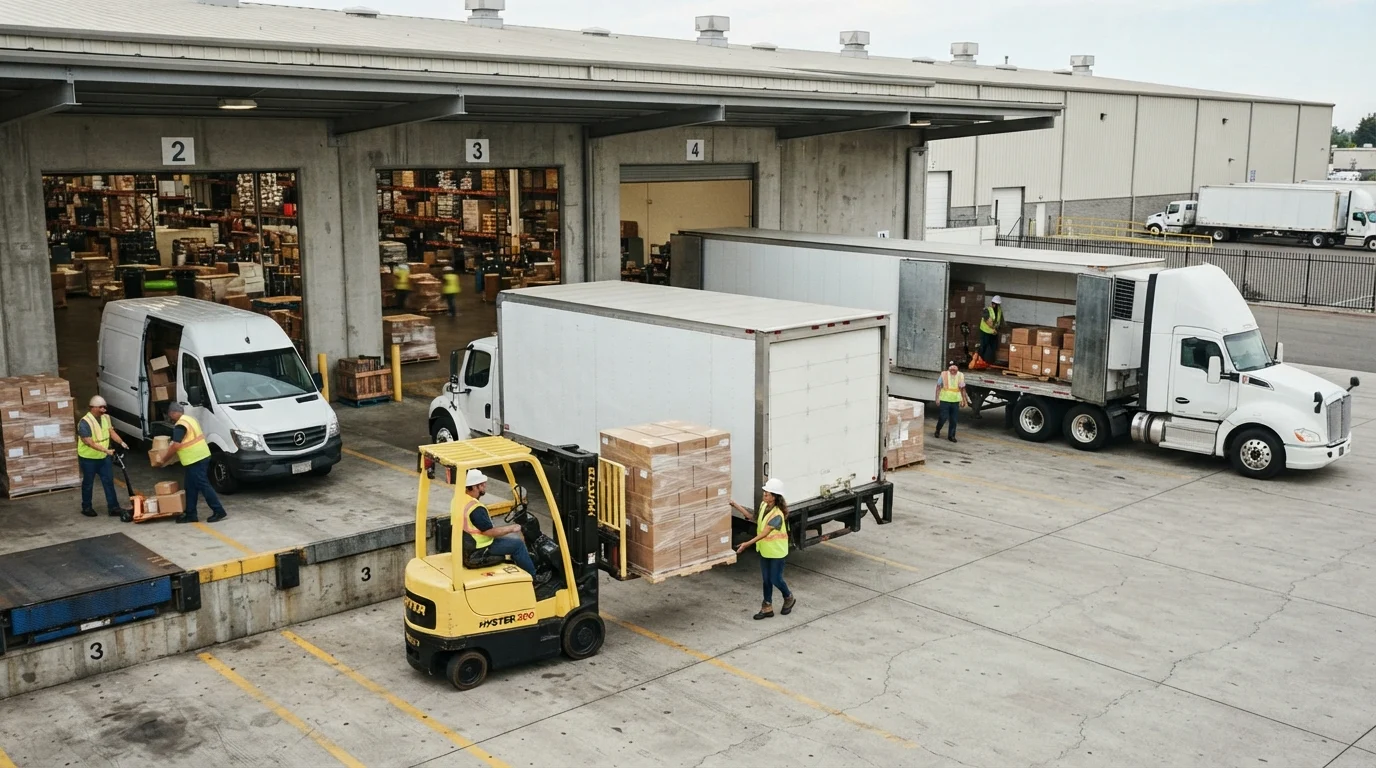
As order volume increases, more carrying capacity is generally needed, but how the increase in volume is distributed is one of the main factors that determine the number of vehicles. An increase in a customer's order quantity may not require additional vehicles if the capacity of the existing vehicle is sufficient. On the other hand, while the total volume remains the same, dividing the orders into more delivery points may require additional vehicles as it increases the route duration and number of stops. At each delivery point, time is spent parking, unloading, paperwork and customer acceptance. Therefore, many small orders may require more operating capacity than a single large order.
The geographical distribution of delivery points also directly affects the number of vehicles. Customers close to each other can be combined on the same route and more deliveries can be made with a single vehicle. On the other hand, if orders are distributed across different regions, it may not be possible for a single vehicle to complete all points within the day. Mismatching delivery times can also make it difficult to combine on the same route. Therefore, even if two different days have the same tonnage and order volume, the number of vehicles needed may be different. During planning, delivery density and geographical distribution as well as total load need to be analyzed.
How are Vehicle Capacity and Route Structure Evaluated in Planning?
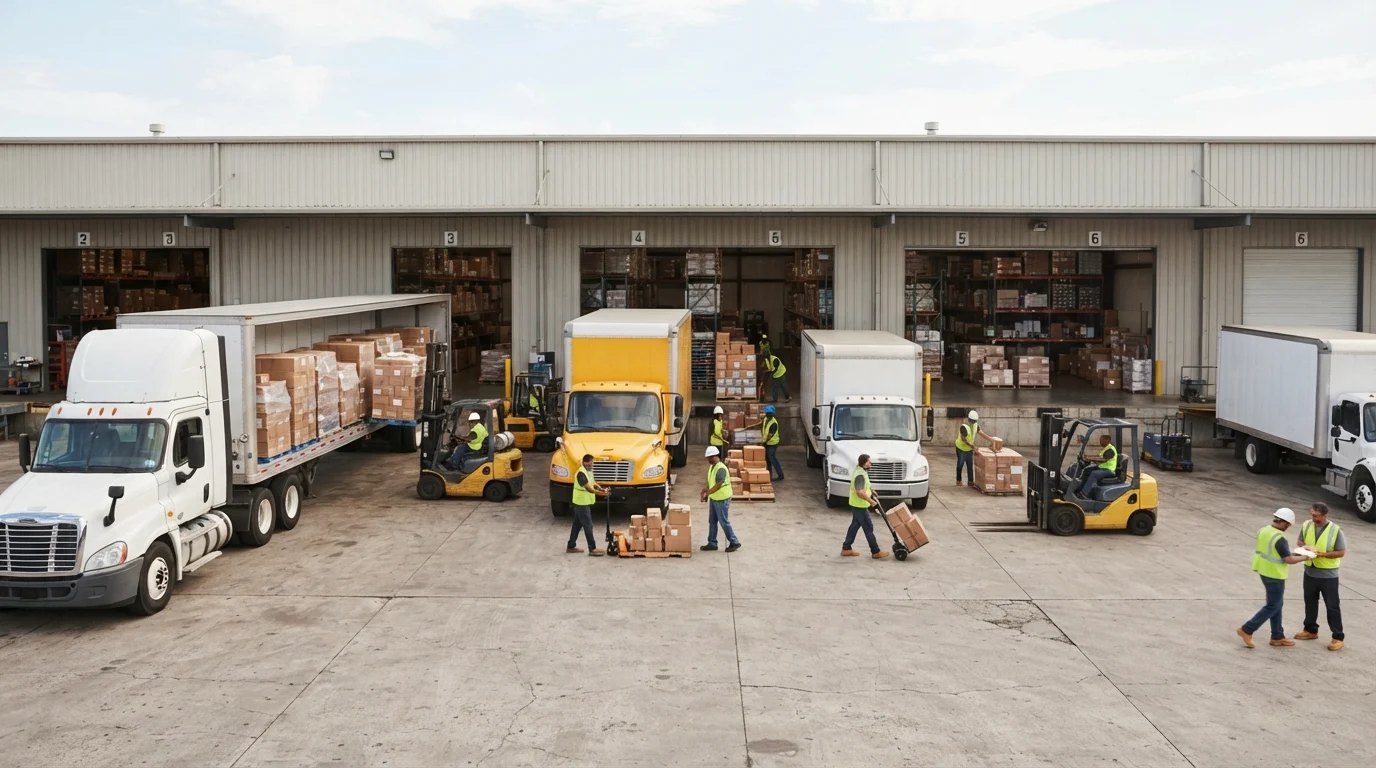
When evaluating vehicle capacity, it is not enough to just look at tonnage information. The volume of the load, the number of pallets, its physical layout and the weight distribution within the vehicle should also be considered together. While light but bulky products can fully use the chassis space before the vehicle's weight capacity is full, the legal carrying limit can be reached for dense and heavy loads, although there is free space left in the vehicle. In addition, the fact that some products cannot be placed on top of each other or require certain loading patterns may create a difference between theoretical capacity and actual capacity. Therefore, when preparing a daily vehicle plan, not only the catalog capacity of the vehicles but also the actual characteristics of the load to be carried should be taken into account.
Route structure is the second basic element that determines how many operations the same vehicle can complete during the day. After completing the delivery on a short-distance and few-stop route, the vehicle can return to the loading point and go on a second trip. On the other hand, on routes with long distances, multiple deliveries or heavy traffic, the vehicle can use most of the day for a single operation. Waiting and unloading times at delivery points also affect when the vehicle becomes available again. Therefore, when calculating vehicle needs, not only how much load will be transported, but also how many times each vehicle can be used during the day should be evaluated.
How to Update Planning When Daily Vehicle Needs Change?
Daily vehicle needs may change during the day due to reasons such as order addition, order cancellation, vehicle malfunction, delivery time change or extension of previous trips. When the need increases, the free capacity that can be used in existing vehicles and the opportunity to add new orders to existing routes should be evaluated first. If suitable orders can be combined into the same vehicle, capacity can be increased without introducing new vehicles. If the current fleet is not sufficient, spare vehicles or external carrier support can be activated. However, the decision for additional vehicles should be made not only by the number of orders, but also by taking into account the route and delivery times.
When demand decreases, the loads of vehicles planned to leave with low occupancy can be combined, if appropriate, and unnecessary vehicle use can be reduced. The plan should be updated again by monitoring the actual return times of the vehicles during the day, the completion status of deliveries and the arrival of new orders. When one of the planned vehicles is delayed, subsequent tasks related to it may need to be transferred to other vehicles. On the other hand, vehicles returning earlier than expected can be used for additional trips. Thus, instead of a fixed plan created at the beginning of the day, a more flexible and efficient vehicle planning can be created that adapts to real operating conditions.