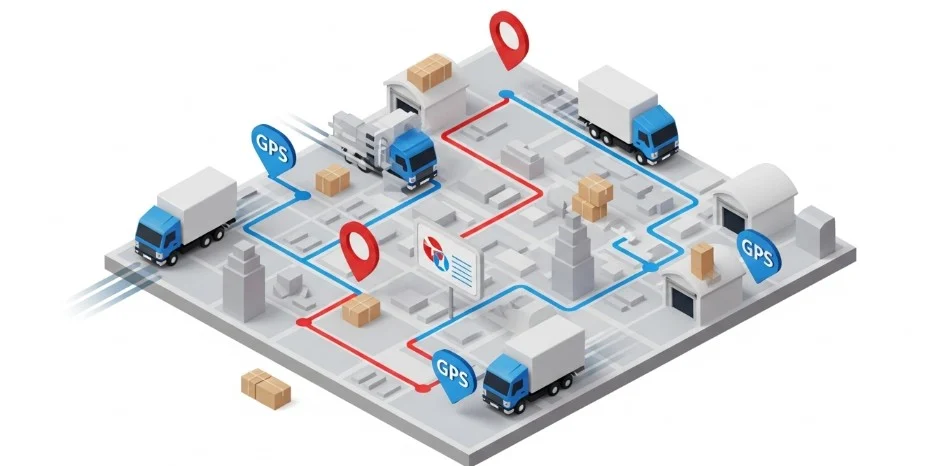
What Does the Vehicle Availability Rate Mean in Logistics?
Vehicle availability rate in logistics refers to the level of vehicles in a fleet that are ready for operation and usable within a certain period of time. Just because a vehicle is registered in the fleet does not always mean that it can be used actively. Vehicles that are under maintenance, broken down, on another mission, without a driver, or not operationally ready for use are included in the total fleet, but are not included in the number of available vehicles. For this reason, the vehicle availability rate is important as it shows how much usable capacity the fleet actually has.
Vehicle availability directly affects fleet planning, especially during busy shipping periods. Even if the total number of vehicles seems high, the low number of available vehicles may cause shipments to be delayed or outsourcing to increase. For this reason, fleet capacity should be evaluated not only on the number of vehicles owned, but on the vehicles that can actually be put into operation.
In logistics, vehicle availability rate, maintenance planning, trip distribution, driver management and capacity utilization require evaluation together. It should be regularly monitored how long the vehicles remain ready for operation, for what reasons they are out of use, and how long it takes for them to become active again. This data allows more accurate identification of bottlenecks in fleet management.
Monitoring the maintenance, duty, malfunction and availability status of vehicles in a single structure throughLogistics programs can help to see the available capacity more clearly. Thus, planning teams can create an operation plan based not only on the total number of vehicles, but also on the vehicles that can actually be deployed in a certain time period.
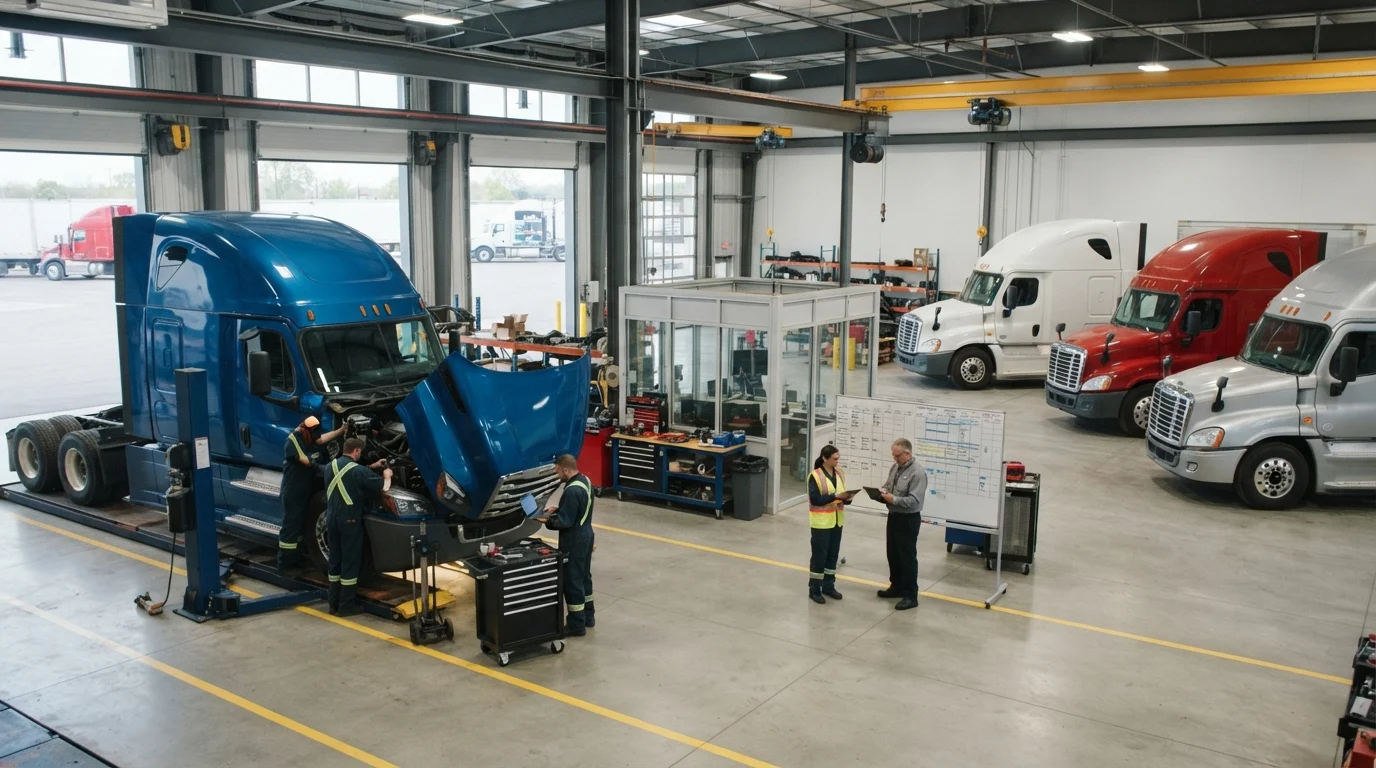
How is the Vehicle Availability Rate Calculated?
Vehicle availability rate is basically calculated by dividing the number of available vehicles to the total number of vehicles. For example, if there are 100 vehicles in a fleet, but 85 of them are ready for operation, the vehicle availability rate can be considered as 85 percent. However, this simple calculation alone may not be sufficient for every operation.
Some businesses measure availability not only on the number of vehicles but also on a time basis. If a vehicle is only available at certain times of the day or is disabled for maintenance for half the day, this may affect the actual level of availability. For this reason, especially in busy fleets, it can be analyzed how many hours the vehicles are ready for operation.
Which situations are considered "available" in the calculation should be defined in advance. For example, even if the vehicle is technically operational, if it does not have a driver, it is not really suitable for operation. Similarly, the vehicle may be vacant but may not be assigned to another task if it is reserved for the next scheduled shipment.
For this reason, technical availability and operational availability can be separated when calculating the vehicle availability rate. While technical availability focuses on the unavailability of the vehicle due to malfunction or maintenance, operational availability indicates whether the vehicle is actually capable of being assigned to a new task.
For a more accurate measurement, the time the vehicles remain in maintenance, breakdown times, duty times and waiting situations can be tracked separately. Thus, not only the availability rate but also the main reasons that reduce availability can be determined.
It is possible to track vehicle availability on a daily, weekly or monthly basis. However, the same measurement method should be used when making comparisons. Applying different criteria in different periods may make it difficult to interpret the rates correctly.
What are the factors that affect the availability of a vehicle?
One of the most basic factors affecting vehicle availability is maintenance status. Vehicles in service may be out of operation for a certain period of time due to planned maintenance. If maintenance is concentrated in the same period, the number of vehicles available in the fleet may decrease rapidly.
Faults also directly affect vehicle availability. Especially unexpected malfunctions can lead to sudden loss of capacity in the operation plan. The type of malfunction, spare parts availability and service duration determine how long the vehicle will be out of use.
Driver availability is also an important factor. Even if the vehicle is technically ready, the lack of a suitable driver may prevent the vehicle from going on a trip. For this reason, vehicle planning and driver planning should not be done independently of each other.
The current duty status of the vehicle also determines availability. If a vehicle is on active duty, it cannot be assigned to another operation until it has completed its delivery and is ready for the new mission. For this reason, vehicle availability should not be evaluated solely based on whether it is parked or not.
Legal working and rest periods are also important, especially in long-distance transportation. Even if the vehicle is ready, if the driver has not completed the legal rest period, the vehicle cannot be used immediately.
Vehicle type is also important in terms of availability. Although there are many vehicles in the fleet, the number of vehicles suitable for a particular load may be limited. For example, only certain vehicles may be used in operations that require refrigerated transportation, special equipment, or specific load capacity.
The location of the vehicles also affects the availability assessment. A technically empty vehicle may not be considered practically suitable for short-term operation if it is located too far from the required loading point. Therefore, when evaluating availability, not only the vehicle condition but also its location should be taken into account.
Reservations and scheduled missions also affect vehicle availability. Even if a vehicle is currently empty, if it is reserved for a critical expedition that will start in a few hours, assigning it to another task may create operational risk. Therefore, true availability requires evaluation of the current situation and planned tasks together.
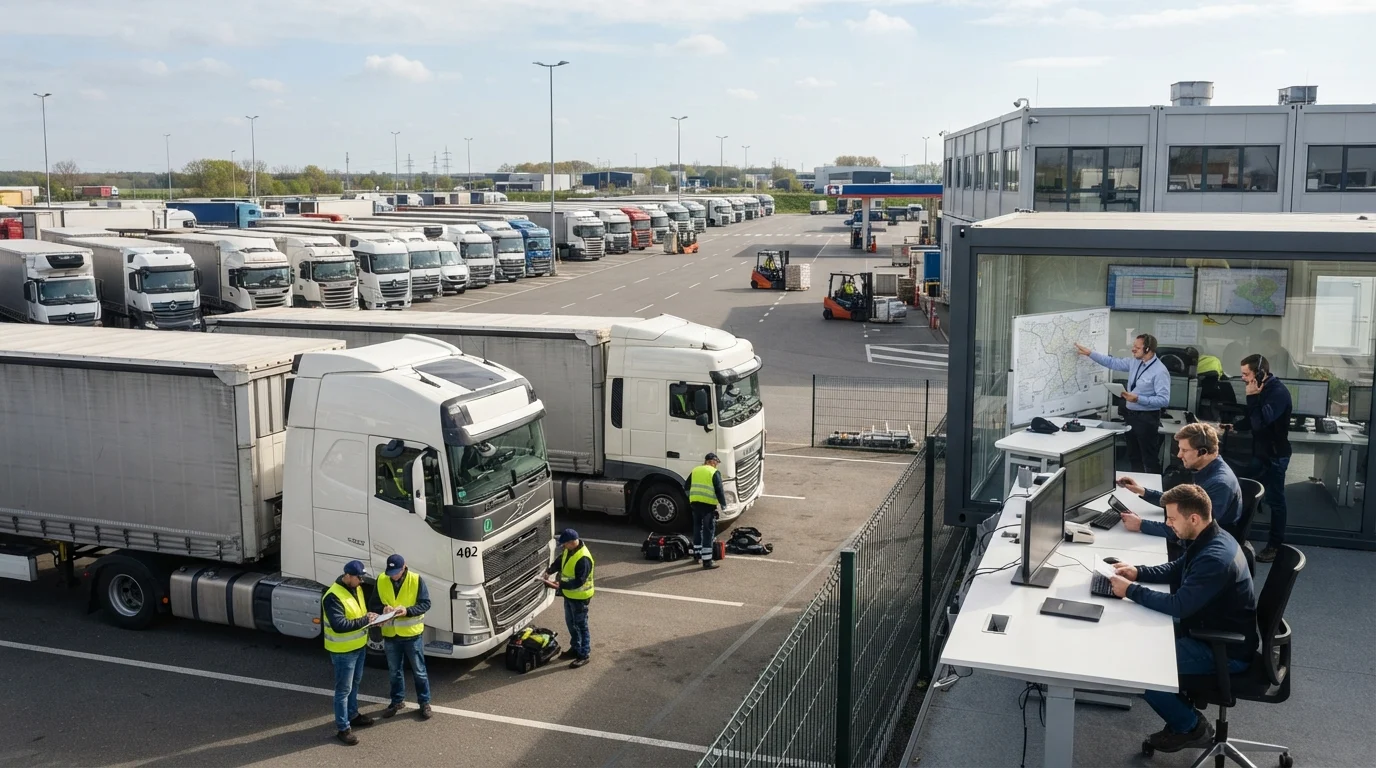
How Does Vehicle Availability Rate Affect Fleet Planning?
Vehicle availability rate helps determine actual capacity in fleet planning. Even if the total number of vehicles is high, if availability is low, it may not be possible to meet all planned shipments with the existing fleet. In this case, additional vehicles, external carriers or different voyage plans may be required.
Low availability reduces operational flexibility. Lack of spare vehicles that can be used when an unexpected new shipment occurs may cause the order to be postponed or to turn to higher-cost alternative solutions.
High availability rate does not always mean maximum efficiency. If a large number of vehicles are always empty and available, this may indicate that the capacity may be more than necessary. Therefore, the availability rate should be evaluated together with the vehicle usage rate and total transportation volume.
The ideal structure in fleet planning is to have a sufficient number of vehicles that can be activated when needed, but to avoid unnecessary empty capacity. This balance becomes especially important in operations where demand fluctuations are high.
Vehicle availability also affects the timing of maintenance plans. Having a large number of vehicles maintained at the same time may reduce available fleet capacity. Therefore, maintenance programs can be balanced according to operational intensity.
When vehicle availability data is used in shipment planning, new jobs can be assigned directly to available vehicles. This can reduce the need for last-minute vehicle searches and make task distribution more controlled.
Long-term monitoring of availability can also influence fleet size decisions. If there is constantly very low availability in the current fleet and the operational demand cannot be met, capacity increase may be on the agenda. On the other hand, if constantly high vacancy is observed, the current fleet capacity can be considered to be excessive.
What Applications Are Made to Increase Vehicle Availability?
In order to increase vehicle availability, planned maintenance processes must first be managed correctly. Distributing maintenance times to periods when operational intensity is low can prevent a large number of vehicles from being out of service at the same time. Regular maintenance also contributes to reducing the risk of unexpected malfunctions.
Reducing downtime also directly increases availability. Quick management of service processes, availability of critical spare parts and reporting malfunctions without delay can ensure that vehicles return to operation in a shorter time.
Driver planning should be done in conjunction with vehicle availability. Waiting for technically ready vehicles due to lack of drivers causes usable capacity to decrease. For this reason, shift, leave and task distributions should be prepared in accordance with the fleet plan.
Following the location of vehicles is also an important practice. When a new task occurs, selecting the closest and most suitable vehicle can reduce the risk of the vehicle traveling long distances empty and starting the new operation late.
Accurate estimation of sailing times can also increase availability. If you miscalculate when a vehicle will return, subsequent missions may be delayed. Regular comparison of planned and actual trip times allows for a more accurate estimate of when vehicles will be ready for a new mission.
The time it takes for vehicles to be ready after the mission should also be monitored. Waiting for a long time in the parking lot of a vehicle returning from delivery, delaying operations such as cleaning, document control or technical inspection may reduce the availability rate. Standardizing these processes allows vehicles to be redeployed faster.
It is also important that the vehicle types in the fleet are compatible with the demand structure. Consistently high demand for certain vehicle types while other vehicles remain idle may result in insufficient operational capacity, even if total fleet availability appears high. Therefore, vehicle distribution should be evaluated according to actual transportation needs.
The purpose of increasing vehicle availability is not to keep all vehicles in continuous operation. The main goal is to create a balanced fleet structure that will ensure that the appropriate vehicle is available when needed. By managing maintenance, driver, voyage and mission plans together, the availability period of vehicles can be increased and fleet capacity can be evaluated in a more controlled manner.