Basic Function of Logistics Profession
Logistics is the planning, implementation and control of the entire process from the point of supply of products, services, information or people to the point of consumption. This process includes not only transportation; It also includes storage, inventory control, packaging, customs clearance and final delivery. Logistics activities aim to deliver the right product in the right quantity, at the right place, at the right time, at the right cost. Coordination of these complex processes requires harmony among all links of the supply chain and should be carried out with a strategic management approach.
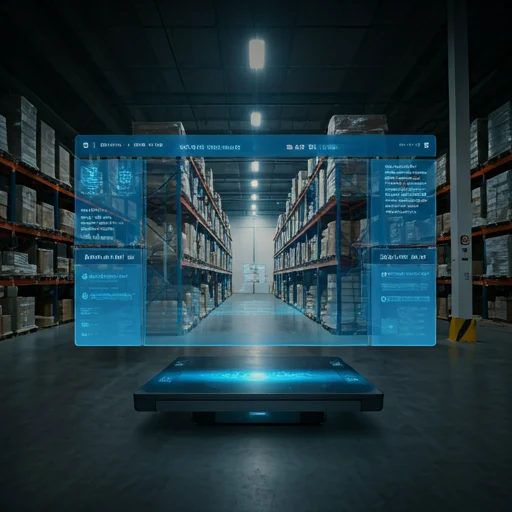
Modern logistics does not only focus on physical transportation; It also includes effective management of data flow. In order to prevent disruptions in the supply chain, logistics operations must be monitored, reported and optimized through digital platforms. At this point, logistics software plays a critical role in the efficient execution of operational processes. Especially in large volume transportation and distribution operations, stock tracking, route optimization and cost analysis can be easily done thanks to software. In this respect, the logistics sector is a versatile business field equipped with both physical and digital solutions.
What Areas Does Logistics Cover?
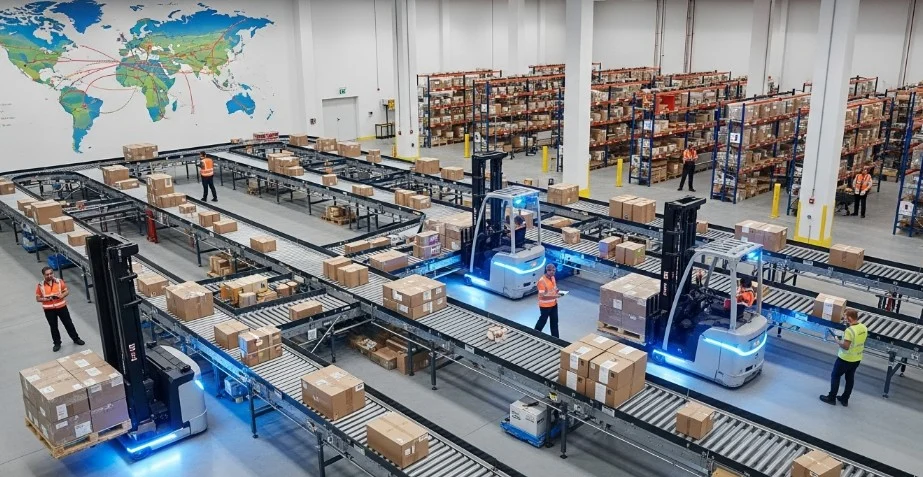
Logistics is not just about transporting goods; It has a wide structure covering many different areas. It mainly includes operations such as transportation, warehousing, inventory management, packaging, order processing and customer service. In addition, areas such as reverse logistics, that is, return processes, management of damaged products and waste control, are also included in the scope of logistics. Thanks to this wide service network, logistics functions as a backbone that manages the entire process from production to the end user.
In addition, logistics has an important place in international trade. Complex processes such as customs clearance, issuance of foreign trade documents, determination of international transportation models and management of the supply chain at the global level are also among the areas covered by logistics. Logistics software systems provide great convenience in managing such multi-stage and multi-location operations. Thanks to this software, processes are carried out in a more traceable, faster and error-free manner. Especially with the growth of e-commerce, logistics areas have become more diversified and intertwined with technology.
What Services Does the Logistics Sector Offer?
The logistics sector has a wide range of services shaped according to the needs of companies. Basic services include land, air, sea and rail transportation; In addition, storage, stock management, distribution, order fulfillment and packaging services are also offered. Some logistics companies develop special solutions for their customers, undertake the entire supply chain and provide end-to-end service. In this way, businesses can manage their logistics processes efficiently by outsourcing while focusing on their main areas of activity.
How to Manage Logistics Processes?
Management of logistics processes is a multi-layered structure that includes planning, implementation and control stages. First, supply planning is done; It determines where, how and when the products will be procured. Transport modes are then selected and warehouse management is planned. Correct storage of products, inventory control according to demand forecasts and on-time delivery processes are critical parts of this management. Each step must be followed systematically because a malfunction in one link of the chain can affect the entire system.
In Which Sectors Are Logistics Services Important?
Logistics services play a vital role in almost every industry; However, its importance is much greater, especially in sectors such as production, retail, e-commerce, health, food and automotive. In the production sector, the entire process from raw material supply to product delivery is carried out by logistics. In the food industry, it is of great importance to transport the products within a certain period of time without spoiling. In such sectors with high time and quality sensitivity, the quality of logistics services is directly reflected in customer satisfaction.
Especially in the e-commerce sector, delivering orders with the right product in a short time and securely provides a competitive advantage. In such sectors with fast and intense traffic, the use of logistics software has become almost mandatory. Thanks to the software, operations such as order tracking, warehouse integration and returns management are carried out smoothly. In addition, advanced logistics solutions are used in the healthcare sector to deliver medical products on time and in accordance with hygienic conditions. In short, logistics is not just transportation; It is also a strategic business line in terms of the sustainability of the sectors.