What is the Distribution Channel in Logistics?
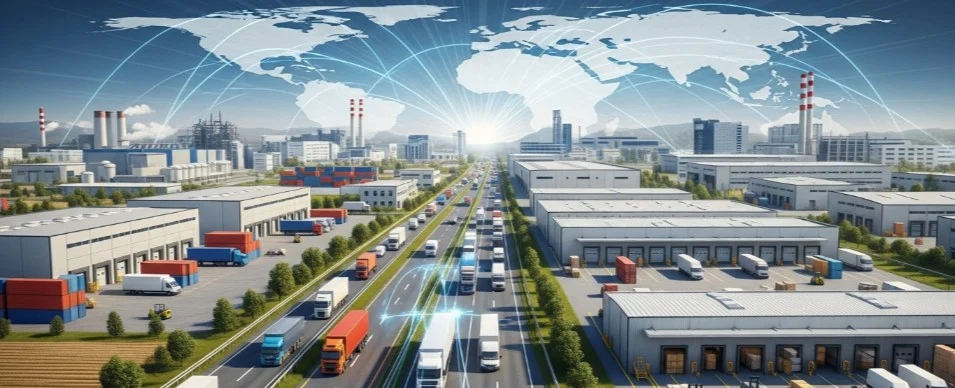
The distribution channel is the structure consisting of roads and intermediaries that enable a manufactured product to reach the consumer from the producer. This channel; It may consist of different actors such as wholesalers, retailers, distributors, dealers or direct sales. Distribution channels apply not only to physical products but also to digital products and services. For example, a software company may sell its product directly through its website, while a physical food product usually reaches the consumer through grocery stores, distributors or dealers. This structure is a basic logistics and marketing function that ensures that the product reaches the consumer at the right time, at the right place and at the right cost.
Why is the Distribution Channel Important for Businesses?
The distribution channel is vital for a business to position its product or service in the market, compete and maintain its profitability. While choosing the right channel increases the speed at which the product reaches the target audience, it also directly affects costs. For example, thanks to the wide distribution network for high-volume and quickly consumed products, quick access to the shelves is ensured, which increases sales. Additionally, the distribution channel shapes brand perception; Prestige products are usually available in a selective and limited number of outlets, while mass consumption products are distributed as widely as possible. For businesses, the distribution channel is a strategic tool that ensures not only sales but also customer experience.
What are the Differences Between Direct Distribution Channel and Indirect Distribution Channel?
Direct distribution channel is where the manufacturer delivers the product directly to the consumer without using intermediaries. For example, a manufacturer opening its own store, selling through an e-commerce site, or making one-on-one sales with marketing teams are examples of this structure. In this method, control is entirely with the manufacturer; pricing, customer relations and after-sales services are managed directly by the manufacturer.
Indirect distribution channel is formed by adding intermediaries such as wholesalers, dealers, distributors or retailers between the producer and the consumer. This method often provides access to larger markets, but some control is transferred to intermediaries. The manufacturer has less say over how the product is presented to the end consumer, but sales volume may increase because it provides access to large audiences. The main difference between the two channels is; It occurs in terms of control, cost, customer interaction and scaling capacity.
What Advantages Does a Single Level Distribution Channel Offer?
In a single-level distribution channel, there is only one intermediary between the producer and the consumer. For example, the manufacturer sells his goods directly to a retailer, and the retailer delivers the product to the consumer. This model provides a more effective structure, especially in fast-moving consumer goods or in certain regions. One of the advantages is that the costs are relatively low; because as the number of intermediaries decreases, the cost of reaching the product to the consumer also decreases.
In addition, since the communication chain is shortened, the manufacturer can more easily monitor the performance of the product in the market. Additionally, the single-level structure makes the distribution process more transparent for both the producer and the consumer. The manufacturer learns the needs of the market faster and can use this information in product development processes.
In Which Situations Is Multi-Level Distribution Channel Preferred?
In the multi-level distribution channel, there are multiple intermediaries between the producer and the consumer. For example; A chain that progresses as producer → distributor → wholesaler → retailer → consumer is an example of this structure. This model is generally preferred for markets spread over wide geographies. Especially common marketing strategies of fast moving consumer goods, beverage industry, electronic products or global brands are based on multi-level channels.
One of the reasons why this method is preferred is that it allows the product to reach very wide and different markets. Each intermediary specializes in its own region and contributes to the product reaching the consumer as soon as possible. In addition, it provides great convenience to the manufacturer as stock management, local marketing and logistics costs are distributed among intermediaries. However, in this system, costs may increase and the sales price of the product may increase due to each intermediary in the chain.