What Does Domestic Return Mean?
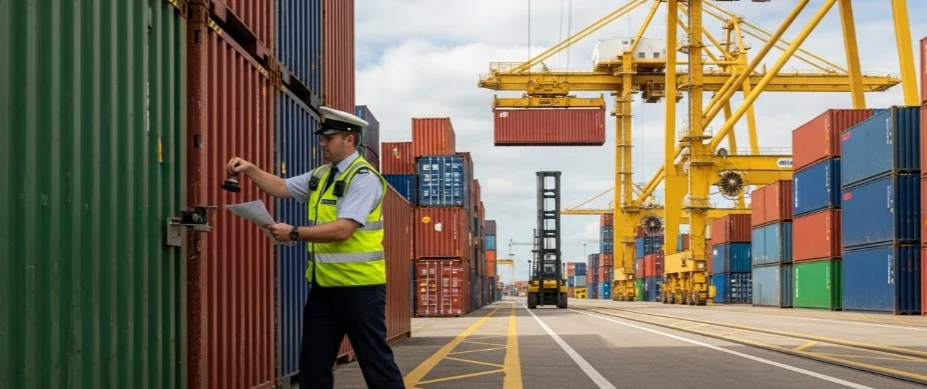
Destination return is the refusal of an imported goods to be accepted for various reasons as a result of the control, inspection or compliance processes carried out at the customs before entering the country's market, and sending it back to the country of origin. This process refers to the redirection of the goods to the exit instead of entering into free circulation. Aim; It is to prevent the entry into the domestic market of goods that do not comply with the legislation, are contrary to technical regulations, pose a risk to health or safety, or are lacking in documentation.
Operationally return to origin; It starts with detection and report, the goods are kept in temporary storage or warehouse, relevant rejection/non-conformity reports are added to the file and the departure of the goods to the country of origin is organized by applying to the customs administration with a petition. During this process, the cargo is under customs supervision; Transportation, storage, terminal and possible analysis costs generally belong to the importer. It should not be confused with other options such as return to origin, destruction or conditional sale to the domestic market; Here, the goods are returned without being brought into the country.
In which cases is the Country Return Procedure applied?
Return of origin mostly arises due to violations of technical regulations and security risks. In products such as food, cosmetics, toys, electrical and electronics, labeling, content, CE marking or compliance with standards are required in accordance with the legislation. Situations such as negative results in analysis or conformity control, near/expiration date, failure to pass security tests, incorrect/missing labels or lack of a Turkish user manual are grounds for return. Suspicion of infringement of trademark rights (counterfeit/distinctive sign violation), incorrect GTIP declaration, contradiction in the invoice/origin documents, incompatibility between the declaration and the actual content may also lead to return to the source.
The process is not limited to “non-conforming goods” only. The importer may also request a refund to the source for commercial reasons (wrong model, features contrary to the order, excessive damage in logistics); However, in this case, the customs administration wants to see that the goods are never brought into the country and that customs surveillance continues uninterrupted. In case of transshipments or erroneous shipments, if the goods are directed to another warehouse/warehouse, each stage must be supported by minutes and records.
Are There Time Limits on Home Return Procedures?
Return to origin works for goods under customs supervision; Therefore, time becomes critical depending on the regime and status in which the goods are found. Action should be taken before the temporary storage period expires, and instructions and correspondence given by the administration should not be delayed. If the goods are placed in a warehouse, the rules regarding the warehouse regime and the processing schedule determined by the administration come into play. It is expected that the return organization will be completed within a "reasonable" period after the notification of eligibility rejections; Otherwise, liquidation provisions or other administrative consequences may arise.
In practice, the customs administration may evaluate requests for extension of time with evidence such as transportation reservation, carrier declarations and exit customs plan, if the intention to return is clear and the documents are complete. However, the extendibility of the periods is not "unlimited"; Especially in risky product groups (food/medicine/chemical), rapid return or destruction is preferred instead of waiting. Therefore, the importer; Documents such as rejection letter, analysis report, transportation reservation, acceptance/revocation letter from the export country should be quickly added to the file and additional information and documents requested by the administration should be submitted in a timely manner.
In Which Sectors Are Domestic Returns More Common?
Original returns become more common in sectors that are heavily regulated and critical to consumer safety. The return rate for food and agricultural products is high due to microbiological/chemical analyses, labeling and origin inspections. Rejection and return processes are common in drugs, medical devices and cosmetics due to compliance with active ingredients, sterilization, biocompatibility and labeling. Physical/chemical safety (small parts, phthalate/azo dyes, heavy metal) tests are critical for toys and baby products.
CE compliance, EMC/low voltage/safety tests, RoHS/REACH compliance are required on the electrical-electronic and machinery-equipment side; In case of non-compliance, refund to the source is on the agenda. In the textile-leather-shoe sectors, chemical restrictions such as azo dyes, PCP, chromium VI and correct composition/label requirements come to the fore. In automotive and spare parts imports, suspicion of counterfeit parts, homologation deficiencies, and safety-related defects are grounds for return. Violations of safety data sheets, classification/packaging/labeling rules for chemicals, pesticides and hazardous substances may trigger return decisions.