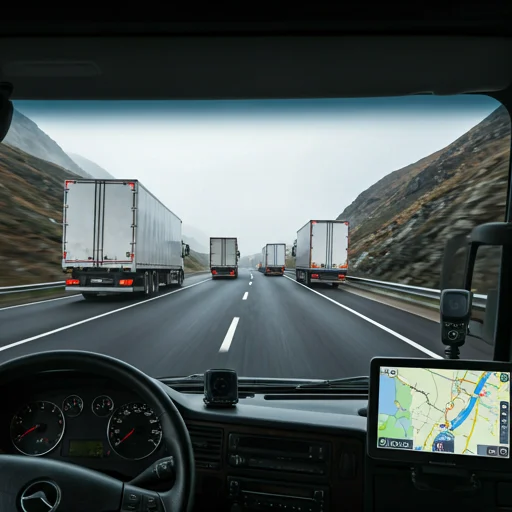
What is the Use of a Tachograph Device?
The tachograph device is a control device that records the speed of vehicles used in commercial transportation, the distance traveled and the working activities of the driver. It helps to check whether drivers are acting within legal working limits by monitoring driving, rest, break and other working periods.
The main purpose of using a tachograph is to reduce the risk of fatigue that may result from long periods of uninterrupted driving. If the driver continues on the road without adequate rest, it may cause loss of attention and traffic accidents. Thanks to tachograph records, driving and rest patterns can be controlled and necessary planning can be made for safe transportation.
Tachograph data is also important for fleet and operations management. When evaluated together with vehicle movement times, driver activities and working order on the route, logistics programs can help prepare voyage plans more realistically. Thus, not only the distance but also the remaining legal driving time of the driver is taken into account when creating the delivery schedule.
What Information Does the Tachograph Record?
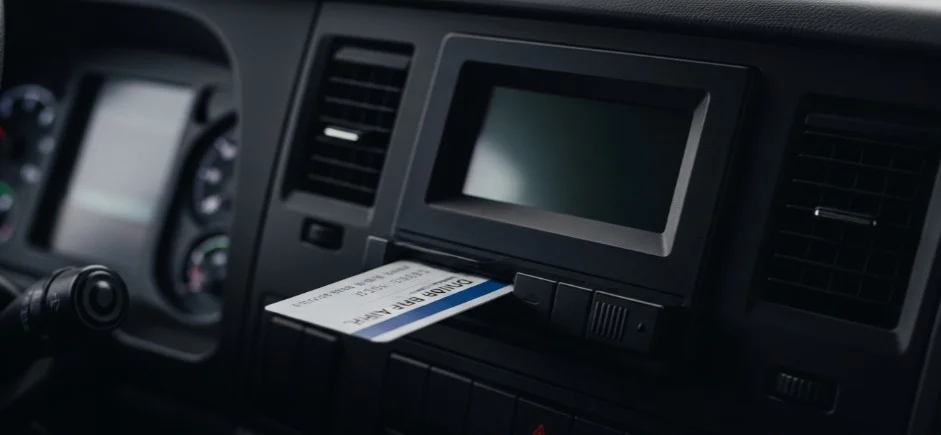
The tachograph device records the vehicle's movement status and the driver's activities with certain time information. These records include the vehicle's speed, distance traveled, driving time, break intervals and rest periods. In digital tachographs, it can also be determined which driver is driving the vehicle through the personal card inserted by the driver into the device.
The device can record not only the time the driver is behind the wheel, but also other periods of work and presence. When activities such as loading, unloading or waiting at the border crossing are marked correctly, the driver's daily work pattern can be seen more clearly. Therefore, correct use of the device is as important as recording.
Tachograph data can be examined during inspections to show whether driving and rest rules are followed. It can also provide information about the vehicle's movements before the incident, such as an accident or speed violation. However, in order for the data to be evaluated correctly, the device time, driver card and activity entries must be used appropriately.
For transportation companies, these records support driver and vehicle planning. Assigning a driver a new assignment without knowing their remaining driving time may result in a forced break during the trip and delay in delivery. Including tachograph information in the operation plan allows such incompatibilities to be foreseen.
What is a Digital Tachograph?
Digital tachograph is a type of tachograph that records driving and vehicle information electronically. Device memory and personal driver cards are used instead of paper recording disks used in analog devices. Before the driver starts using the vehicle, he inserts his card into the device and his activity information is associated with this card and recorded.
In the digital system, information such as driving time, rest period, speed and distance can be stored more regularly. The electronic record structure makes it easier to read and archive data compared to analog records. Authorized inspection units or businesses can download and examine these records when necessary.
In Turkey, the transition to digital tachograph has been completed and vehicles that are required to install a tachograph must have a digital tachograph. However, having the device in the vehicle alone is not enough. The driver card must be used correctly, the data must be downloaded and stored in due time and the device must have a valid inspection.
When digital tachograph data is evaluated together with logistics programs or fleet management systems, a daily operation plan can be prepared more realistically. The remaining time available to the driver, the need for a mandatory break and the planned delivery time can be examined within the same framework. In this way, voyage plans that exceed legal limits can be prevented.
For which vehicles is a tachograph mandatory?
The tachograph obligation is evaluated according to the intended use of the vehicle, maximum permitted weight, passenger capacity and exceptions in the relevant legislation. In general, vehicles that carry loads by road and exceed the maximum permitted weight of 3.5 tons, and vehicles suitable for carrying more than nine passengers, including the driver, are included in the scope of obligation.
Therefore, it is not enough to just look at whether the vehicle is called a truck, tow truck or bus. The intended use in the license, maximum weight and seat capacity should be examined together. Additionally, current legislation must be checked on a vehicle-by-vehicle basis as there may be exceptions depending on the area of use or type of transportation.
The absence of the device in a vehicle that requires a tachograph, its non-compliance with the relevant qualification or its lack of a valid inspection may be considered as a serious defect in the vehicle inspection. In the current defect table applied as of June 1, 2026, these situations are stated as serious defects. Therefore, it is important not only that the device is installed, but also that it is kept functional and in compliance with the legislation.
Transportation companies should not view tachograph data as merely an audit obligation. Regular monitoring of drivers' driving and rest periods reduces the risk of fatigue and helps plan trips within legal limits. When the vehicle and driver suitability is checked before the operation begins, the risks of penalties, waiting and delivery delays on the road can also be reduced.