What is Contract Logistics?
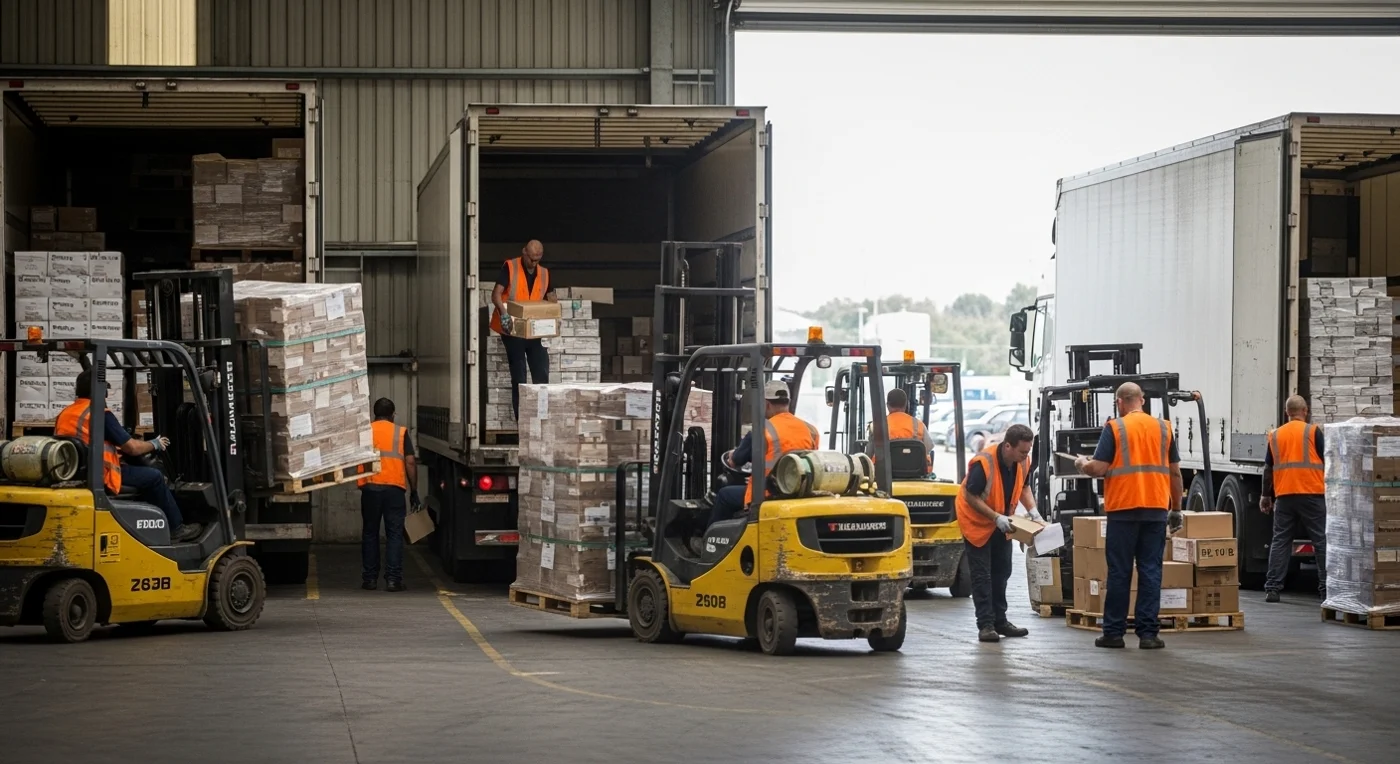
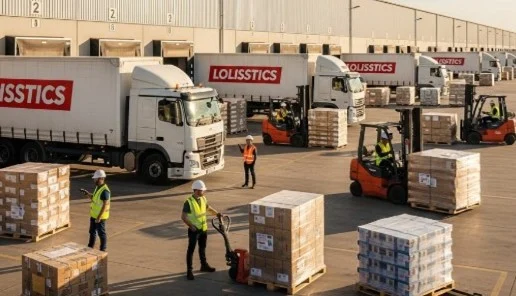
Contract logistics is the partial or complete outsourcing of a business' logistics operations to a professional service provider. In this system, the business leaves processes such as transportation, storage, distribution, stock management and order tracking to the logistics company within the scope of a specific contract. The aim is to reduce operational load, increase efficiency and enable the business to focus on its main field of activity.
Today, contract logistics has become an important part of supply chain management. Thanks to this model, businesses both gain cost advantages and minimize operational risks. Contract logistics systems, especially those integrated with logistics software, make all processes digitally traceable; Thus, the level of transparency and control is maximized.
What Services Does Contract Logistics Cover?
Contract logistics is not just about transportation or storage services; It covers a wide range of operations. These services include processes such as warehouse management, stock tracking, order preparation, distribution, return process management, customs clearance and packaging. Some providers also offer value-added services (labeling, assembly, quality control, etc.) and produce customized solutions for customer needs.
Modern contract logistics services integrate all processes end-to-end. In this way, businesses can control all their operations from a single center. Especially in e-commerce, production and retail sectors, flexible systems that can respond quickly to demand fluctuations provide a competitive advantage.
What kind of advantages does contract logistics provide to businesses?
Contract logistics provides businesses with great advantages both operationally and financially. First of all, it facilitates cash flow as it replaces fixed logistics investments (warehouse, vehicles, personnel, etc.) with a service-based cost model. In addition, these systems managed by expert teams reduce errors and increase service quality.
However, thanks to contract logistics, companies can benefit from economies of scale. Professional providers optimize carrying, stocking and distribution costs because they work with multiple customers. As a result, the business can direct its resources to strategic areas such as product development, sales or marketing.
In Which Sectors Is Contract Logistics Preferred?
Contract logistics is widely used especially in the production, automotive, retail, e-commerce, health and food sectors. Because these areas have high volume and complex supply chains, outsourcing reduces costs and makes operations more flexible. Contract logistics creates a great competitive advantage, especially for e-commerce companies that require fast delivery.
In addition, in sectors where seasonal demand changes are intense (for example, textile, FMCG or technology products), contract logistics allows businesses to easily increase or decrease capacity. Thus, companies gain flexibility in terms of both workforce and warehouse space; This makes logistics operations more sustainable and efficient.