The Effect of IoT and Real-Time Tracking Systems on Logistics
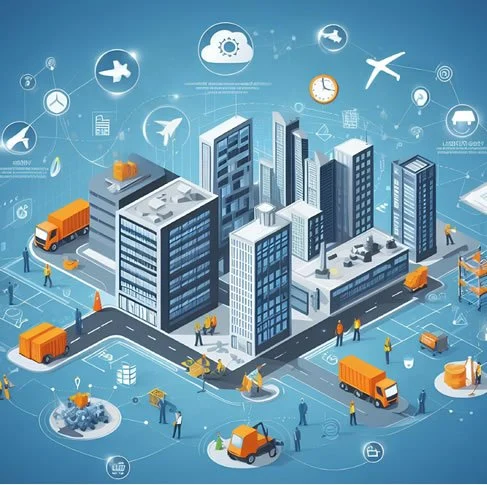
The use of IoT (Internet of Things) and real-time tracking systems in the logistics industry has greatly increased the transparency and manageability of operations. Many physical elements such as transport vehicles, warehouses, product packaging and even pallets can now be equipped with sensors that can connect to the internet. In this way, companies can intervene faster by instantly monitoring the location of the products, environmental conditions such as temperature and possible delays.
Thanks to these technologies, not only monitoring is possible; At the same time, strategic benefits such as optimizing routes, increasing vehicle occupancy rates and detecting unexpected risks in advance are also provided. This transformation not only increases customer satisfaction; It also increases competitiveness by offering time and cost advantages to businesses.
How is Instant Data Collection Provided in Transportation Processes with IoT Devices?
IoT devices collect various data such as temperature, humidity, vibration, location and even lid opening status through sensors integrated into vehicles and load units during transportation. This data is transferred to cloud-based systems over networks such as GSM, LoRaWAN or Wi-Fi. Thus, logistics managers have instant information about the status of the transported products.
These systems are of critical importance, especially in the transportation of sensitive products (medicine, food, electronics). For example, in cold chain transportation, a temperature deviation of a few degrees may cause product deterioration. With IoT sensors, such deviations can be detected immediately and necessary precautions can be taken quickly. This both ensures product safety and prevents customer complaints.
How Do Real-Time Tracking Systems Affect Supply Chain Management
Real-time tracking systems constantly show where products are throughout the supply chain, what condition they are in and at what stage they are. This reduces uncertainties in planning processes and enables more accurate and data-based decisions to be made. In this way, each link of the supply chain becomes more synchronized and efficient.
Especially in large-scale operations, situations such as delays or loss of shipments can cause serious problems. Real-time monitoring systems make it possible to detect delays at an early stage and provide solutions. Additionally, visibility of the entire chain from supplier to customer reduces operational risks and increases overall performance.
What Has Changed in Inventory Tracking and Warehouse Management with IoT Technology?
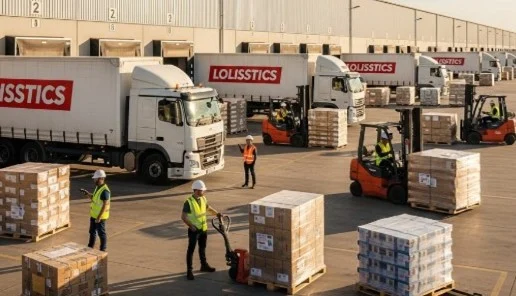
IoT-based solutions have enabled manual counting and control processes to be replaced by automatic systems in warehouse management. The movements of products in the warehouse can be constantly monitored with RFID tags, smart shelving systems and sensors. In this way, stock accuracy increases and inventory losses are minimized.
In addition, with IoT technology in warehouses, product placement has become possible with smarter algorithms. The system predicts which product will be released and when and places it in the most appropriate location. This saves labor and speeds up the picking-ordering processes. All of these increase warehouse efficiency and also contribute to reducing operational costs.
What is the Contribution of Vehicle Tracking Systems to Delivery Times?
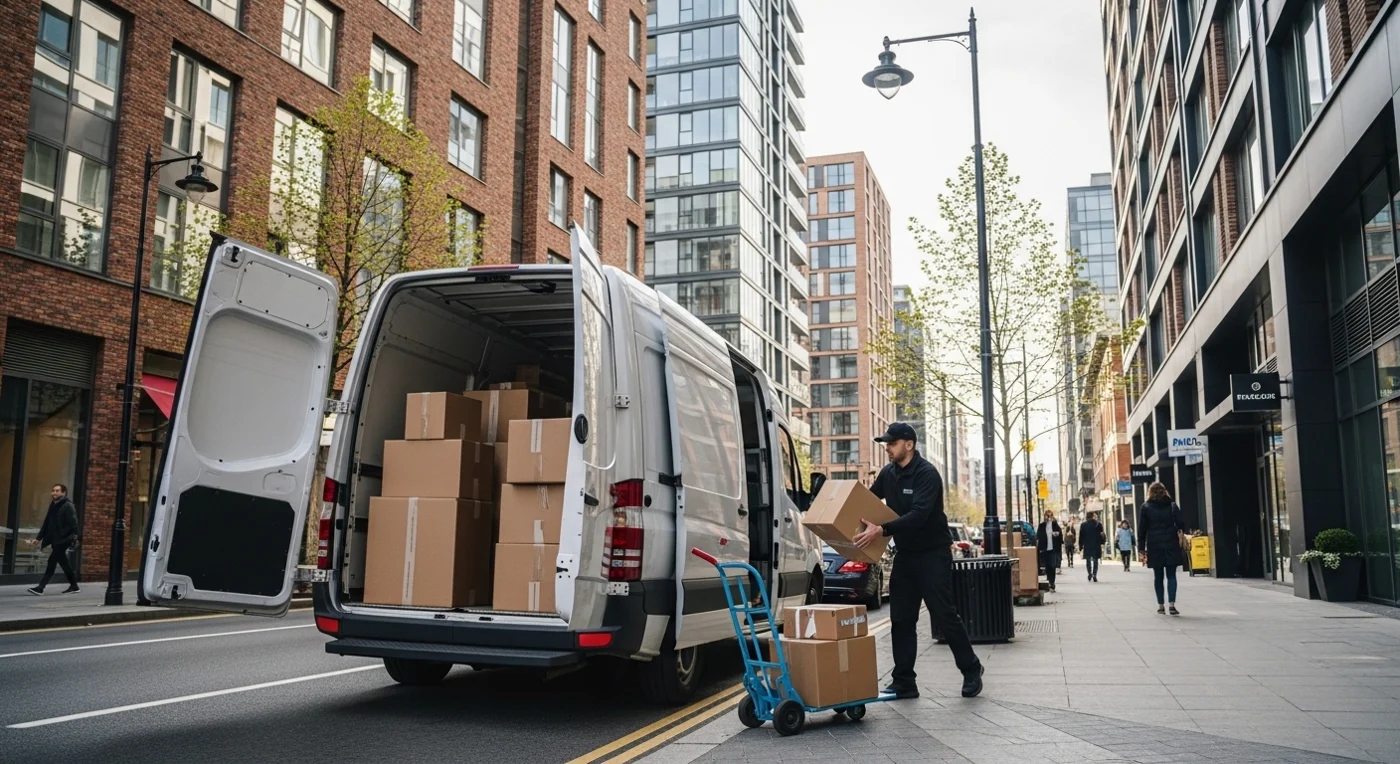
Vehicle tracking systems allow monitoring every moment of the delivery process, instantly detecting off-route deviations, pauses and delays. Thanks to these systems, route optimization can be made and deliveries can be accelerated by determining alternative routes according to the traffic situation. This both reduces delivery time and reduces fuel costs.
In addition, instant notifications provided to customers eliminate uncertainties regarding the delivery process. Estimated delivery times become more accurate and customer satisfaction increases. Especially in the e-commerce and fast delivery sectors, these systems play a decisive role in helping companies stand out in the competition.
What are the Effects of Using IoT in Logistics on Cost and Efficiency?
IoT solutions make it possible to reduce costs and optimize resource use in logistics processes. For example, vehicle maintenance times can be accurately planned thanks to sensors; This prevents unplanned breakdowns and stops in the middle of the road. Likewise, by reducing empty vehicle movements, fuel consumption is significantly reduced.
From an efficiency perspective, IoT systems enable more effective use of the workforce. As manual controls are replaced by automatic monitoring systems, the rate of human error decreases and processes run faster. Additionally, thanks to accurate data-based decisions, shipping plans are optimized and operational performance is maximized.