What is Last Mile Logistics Used for?
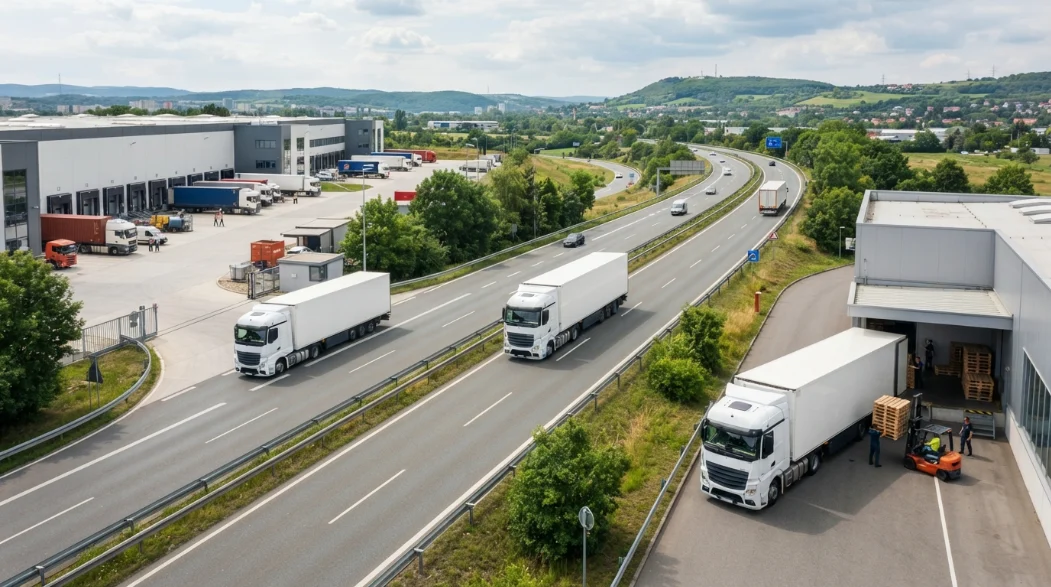
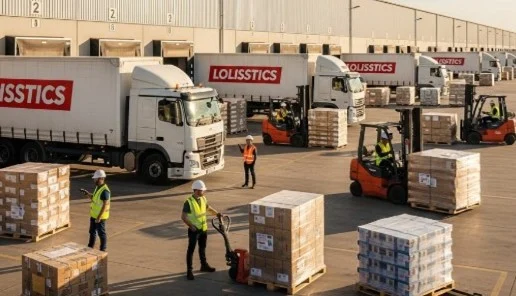
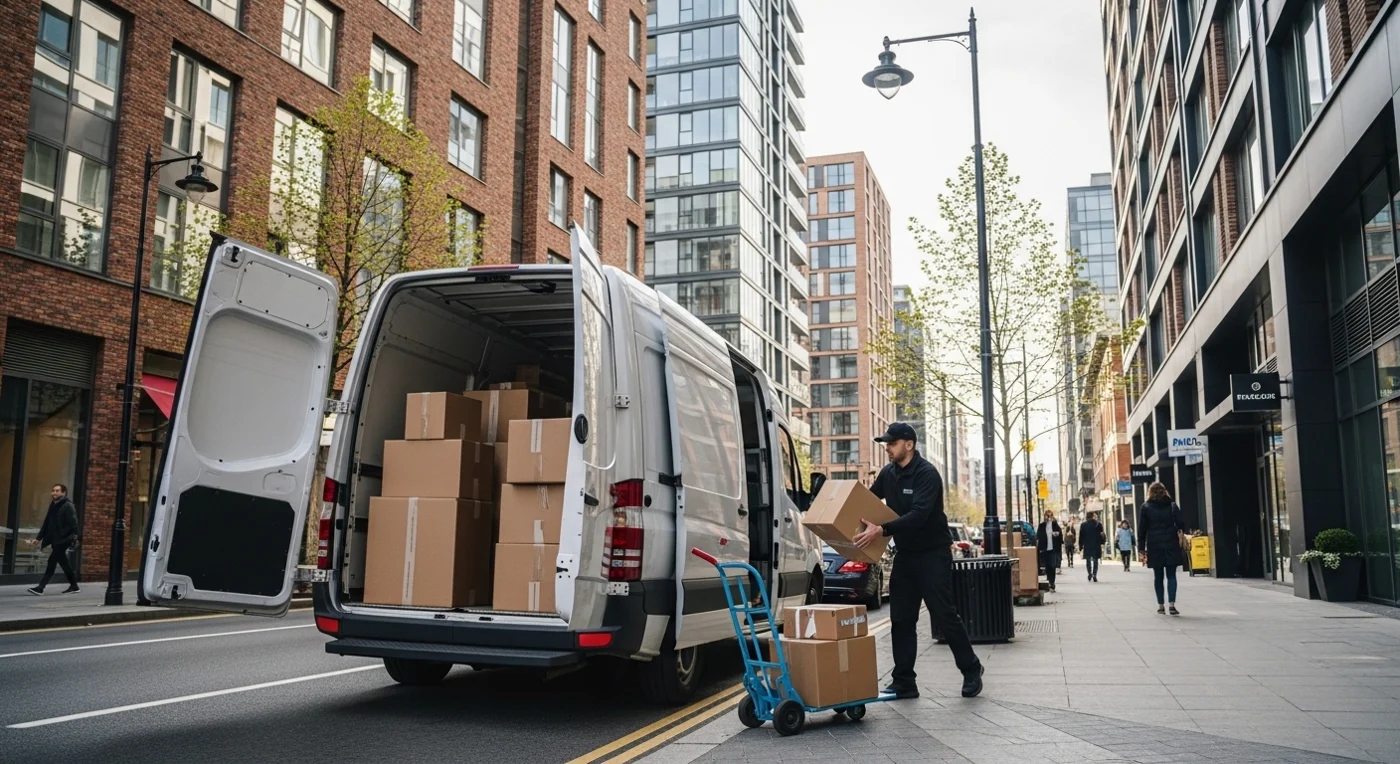
Last mile logistics refers to the final stage in which an order reaches the final buyer after leaving the warehouse or distribution center. This is the seemingly shortest but often the most complex part of the transport chain. Because the product has now left the general shipment plan and entered the delivery process that directly contacts the customer. At this stage, it is determined that the order arrives on time, reaches the correct address, is delivered undamaged and meets the buyer's expectations. Therefore, last mile logistics is not just a distribution step, but a critical process that directly affects the quality of operation and brand perception.
While many businesses focus on the main body of transportation, warehouse capacity and shipping plan, they are late to realize the impact of the final delivery section. However, when evaluated from the customer's perspective, what is important is not how regularly the order is processed in the warehouse, but when and how it reaches the door. If the product arrives late, arrives incorrectly, or there are problems during delivery, all previous operational success becomes secondary. This is where the fundamental function of last mile logistics emerges. It builds the bridge between the commercial value of the order and customer satisfaction.
The importance of this area increases especially in businesses that engage in e-commerce, fast-moving consumption, retail distribution, dealer shipment and urban delivery. Because as the number of delivery points increases, address diversity increases and delivery expectations accelerate, last mile management becomes more difficult. Many factors come into play at the same time, such as traffic density, incorrect address information, absence of the person receiving the delivery, narrow delivery time window and daily capacity of the field teams. That's why last-mile logistics requires more precise planning than classical distribution logic.
Verimli bir son kilometre yönetimi için teslimat planı, rota kurgusu, saha iletişimi ve anlık görünürlük birlikte ele alınmalıdır. here logistics softwareprovides a significant advantage. Which order will be delivered in which order, which vehicle will be directed to which region, at what hours the delivery density increases and where delays occur in the field can be seen more clearly with digital systems. Thanks to this visibility, the operation proceeds in a more controlled manner and delivery performance is based on measurable data, not just field experience.
What is its Importance in the Delivery Chain?
The importance of last mile logistics in the delivery chain comes from the fact that it is the single point of contact where the order meets the customer. No matter how well the procurement, storage, collection and preparation processes are managed, when the product does not reach the customer at the right time, the most visible link of the chain is considered to have failed. Therefore, the last mile process is the part of the delivery operation that produces results. While other stages are preparatory, the last mile produces direct output.
Another reason why this stage is important in the delivery chain is that it carries the most variables at the same time. In-warehouse operations are carried out in more controlled areas. The main transportation plan can proceed with larger volumes but more standard flows. On the other hand, at the last mile stage, differences in delivery points, street-based access problems, traffic density, building entrance conditions, security procedures and the condition of the recipient at the time of delivery come into play. This makes the process more precise.
Moreover, it depends on this stage whether the order is actually considered completed. Appearing dispatched on the system is an indicator of progress for the operation. However, the commercial result occurs when the product reaches the buyer. Therefore, last mile logistics is decisive in terms of completing the sale and creating the customer experience. Delivery quality can also affect future demand, especially in industries with high repeat orders.
The last mile also makes visible points of vulnerability in the delivery chain. Small disruptions experienced in the period between leaving stock and delivery to the door may become magnified at this stage. If the wrong product is loaded, the delivery address is missing, the site plan is poor or the vehicle capacity is adjusted incorrectly, the impact of this is directly reflected on the customer. Therefore, for businesses, the last mile process should be seen as an area that tests the health of the entire chain, not just a delivery operation.
How Does It Affect Time and Cost Management?
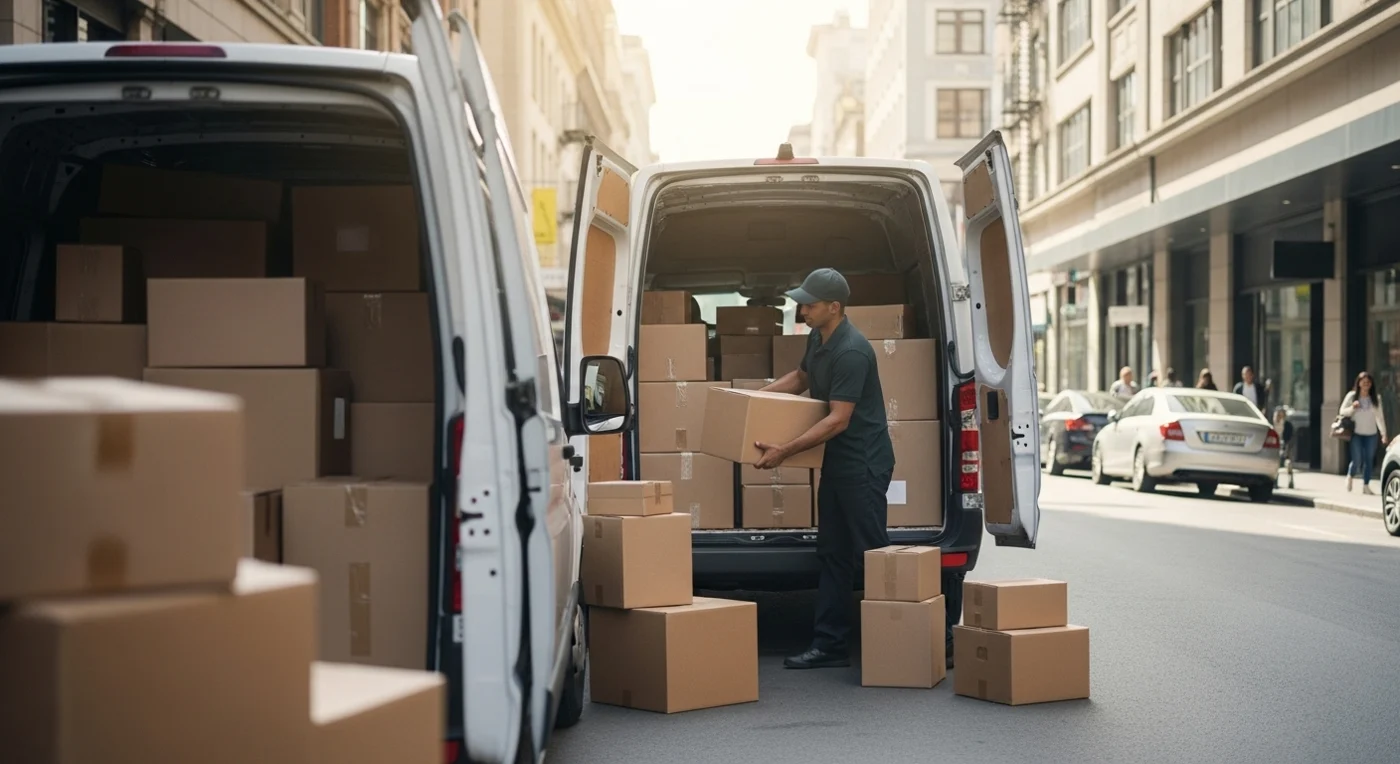
Last mile logistics is the stage that affects time and cost management simultaneously. Because the heaviest delivery traffic often occurs here. Although a vehicle travels longer distance on the main distribution line, it may make fewer stops. On the other hand, during the final delivery process within the city, many delivery points are visited within a short distance. This makes time planning difficult and increases the cost of operation.
The biggest problem in terms of time management is that delivery does not depend only on distance. Many factors such as traffic conditions, address availability, floor exit, building entrance rules, availability of the person to receive the delivery and vehicle parking availability may extend the delivery time. Even if an order seems close in theory, in practice it may take longer than expected to be completed. Therefore, when planning the last mile, not only the map distance but also the actual conditions in the field should be taken into account.
On the cost side, the most important element is the delivery efficiency per vehicle. If the vehicle makes many stops but completes a small number of deliveries, the cost increases. If the delivery sequence is poorly established, fuel consumption increases. If orders in the same region are issued at different times, the operation is split. Failed delivery attempts occur if address verification is weak. All of these are areas that increase the cost but are not noticeable at first glance.
To achieve cost control in last mile logistics, correct route planning, correct vehicle selection and correct delivery timing are required. Using large vehicles for small volume orders, incorrect zoning, or preparing a plan without analyzing the delivery density on an hourly basis reduces efficiency. Likewise, distributions made without taking into account the capacity of field teams also increase the cost per delivery.
Logistics software makes a significant contribution here. More realistic plans can be prepared when order density, vehicle occupancy, delivery area, driving time and waiting time are analyzed together. The system can see which delivery slows down in which region and at what time, which vehicle type offers higher efficiency, and which distribution model increases the cost. In this way, time and cost management are shaped not intuitively but through measurable data.
How Does It Shape Customer Experience
Last mile logistics directly shapes the customer experience because delivery is often the only stage the customer physically encounters in the ordering process. Arriving on time, delivering the product to the right person, undamaged and clear communication determines the customer's general perception of the brand. Even if the ordering process looks smooth on the screen, if the delivery is poor, a negative experience is created in the customer's mind.
One of the most important expectations for the customer is that delivery is predictable. Knowing when the order will arrive, being informed in advance if there is a delay, and not experiencing uncertainty at the time of delivery increases the feeling of confidence. Businesses with strong last-mile logistics do not just deliver products to customers; It also offers clarity about the process. This is a serious competitive advantage, especially for brands that receive a lot of orders.
Another element that shapes the delivery experience is speed. However, just being fast is not enough here. It is more important to deliver at the right time. If the customer does not expect same-day delivery but receives their product in full within the specified time frame, the experience can be positive. On the other hand, the process becomes negative when an order that appears to be delivered very quickly arrives at the wrong time or cannot be received. For this reason, speed and consistency should be evaluated together in last mile management.
Damage-free delivery is also an essential part of customer satisfaction. The last mile phase is one of the sections where the product sees the most physical movement. The risk of product damage increases if the interior fit-out is poor, the delivery order is irregular, and the field team does not have sufficient information. This not only results in a refund process, but also creates a loss of trust.
In addition, the approach of field personnel, communication quality and professionalism at the time of delivery also affect the customer experience. It is also important that the order is delivered properly as well as arriving on time. Therefore, last mile logistics shapes customer satisfaction not only with operational speed but also with contact quality.
What Role Does It Play in Solving Problems in the Field?
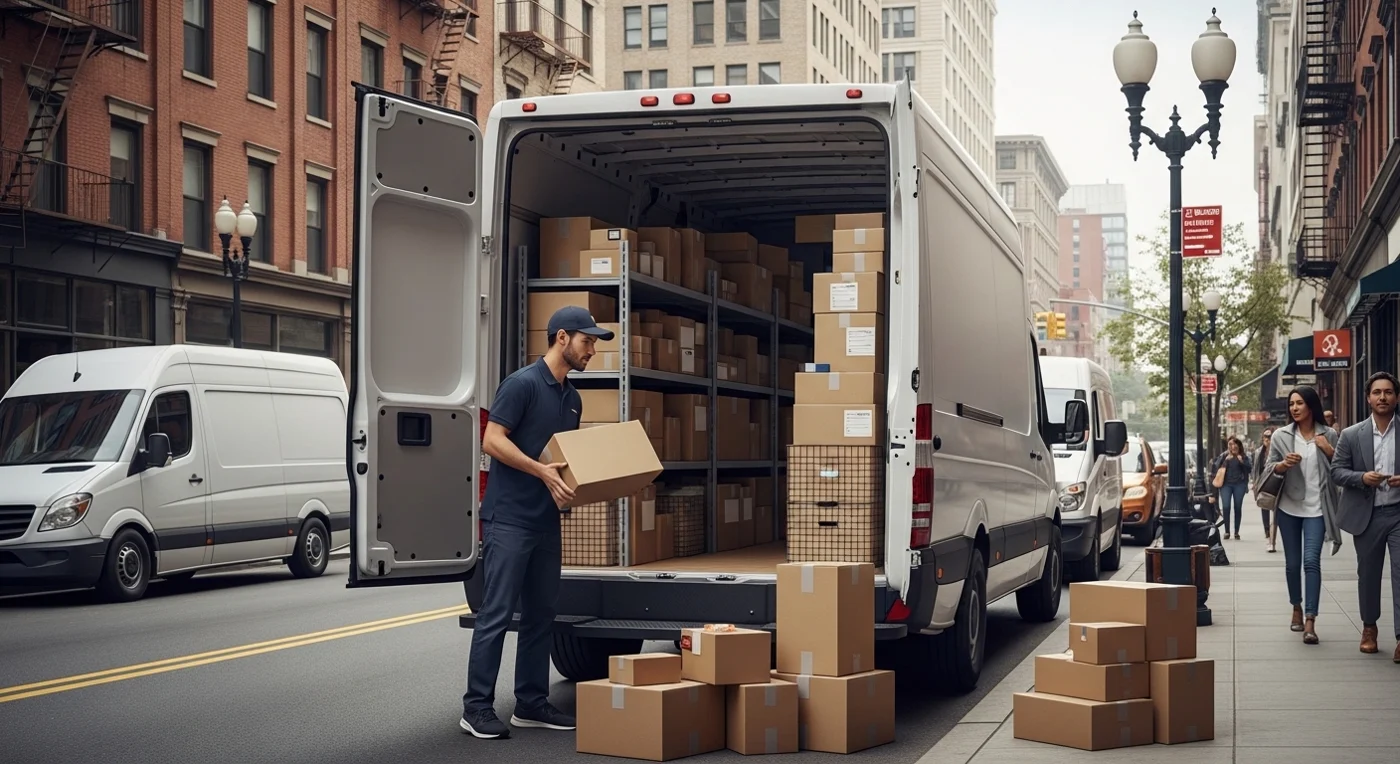
Last mile logistics plays a central role in solving problems in the field because this is the part where the operation encounters real conditions. The plan that looks correct in the warehouse may change when it reaches the field due to traffic, address problems, undeliverable orders, vehicle access barriers or time pressure. Therefore, a good last mile management is not a system that does not cause problems, but a system that can produce quick solutions when problems arise.
One of the most common problems in the field is address accuracy. Incomplete or incorrect address information prolongs delivery time and increases the rate of unsuccessful delivery. In this case, not only the delay appears in the system; At the same time, vehicle capacity is wasted. If the last mile process is managed well, address confirmation, region verification and field routing are resolved at an earlier stage.
Another important problem is delivery timing. A second visit may be needed if the customer is not present, the workplace is closed, or the delivery time is incorrectly planned. This both creates costs and disrupts the delivery chain. Businesses with strong last-mile planning better distribute delivery intensity, run notification processes more regularly, and reduce the likelihood of unsuccessful deliveries.
Instant visibility is also critical in solving problems in the field. If it is not possible to monitor where the vehicles are, which delivery is delayed, in which region there are frequent problems, and which teams are at capacity, the problem will not be noticed until it grows. That's why last-mile logistics is not just about delivery teams; It also gets power from a management structure that monitors the field, directs it and revises the plan when necessary.
Operational flexibility also becomes important here. In urban distribution, the same conditions do not occur every day. Weather, local density, campaign periods, sudden order increases and regional jams may affect the plan. Therefore, the role of last mile logistics is not only to create routes in advance. At the same time, it is to establish a management basis that will adapt to changing conditions during the day.
In short, although last mile logistics is the last link in the delivery chain, it is one of the areas with the widest impact. It simultaneously determines time, cost, customer satisfaction and quality of solution to field problems. The moment the order reaches the customer is the moment when the operational success of the business becomes visible. Therefore, it is difficult to permanently improve delivery performance in a distribution structure without strong last mile management. When the right planning, the right field setup and the right technological support come together, the last mile process turns into a structure that not only delivers but also strengthens the operation.