What Does Empty Kilometer Mean in Logistics?
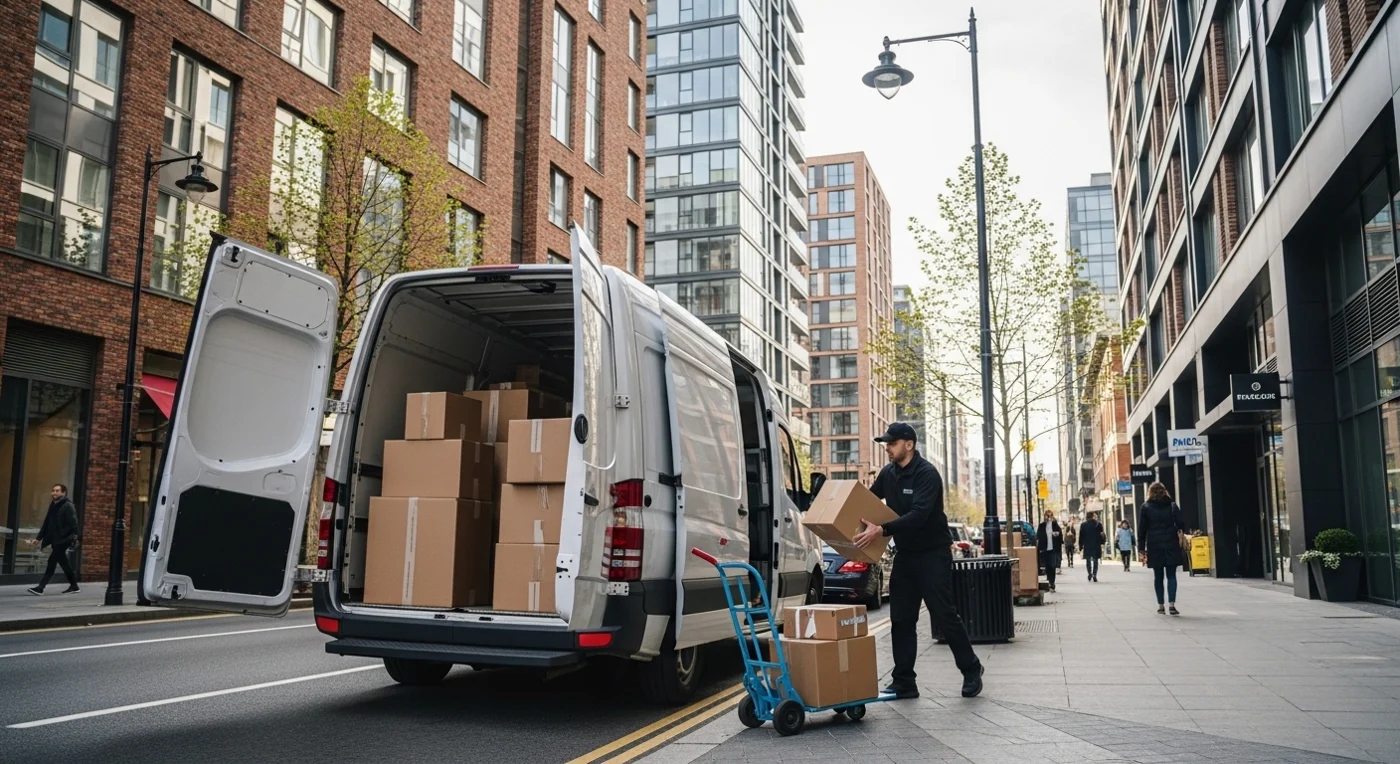
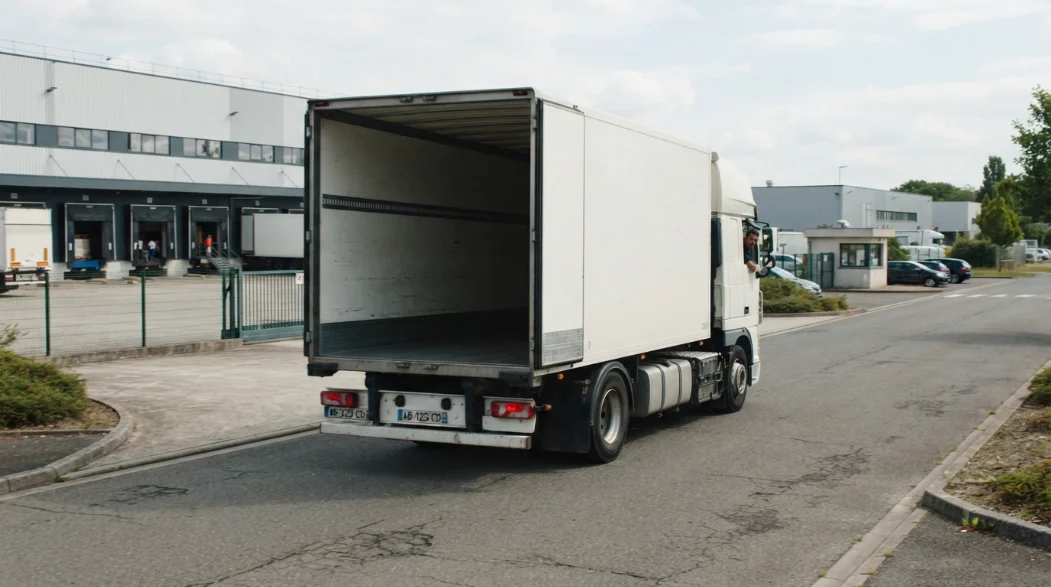
In logistics, empty kilometer refers to the distance traveled by a transportation vehicle without any commercial cargo on it. The most common example is when the vehicle returns to the starting point after completing the delivery without picking up a new load. However, the vehicle traveling empty to a different facility to pick up a load or moving unloaded between operations can also be considered within the scope of empty mileage.
Impact mileage is a type of movement that does not directly generate income, but creates fuel, driver time, maintenance and vehicle usage costs. Therefore, in transportation operations, it is important to monitor not only the kilometers carried by the load, but also how much of the total movement of the vehicle is empty.
It is not possible to completely eliminate every empty kilometer. Vehicles reaching loading points, failure to find suitable new load after delivery, or concentration of operations in different regions may cause empty movements. However, a persistently high empty mileage rate may indicate that there are opportunities for improvement in route planning, return load organization or vehicle assignment structure.
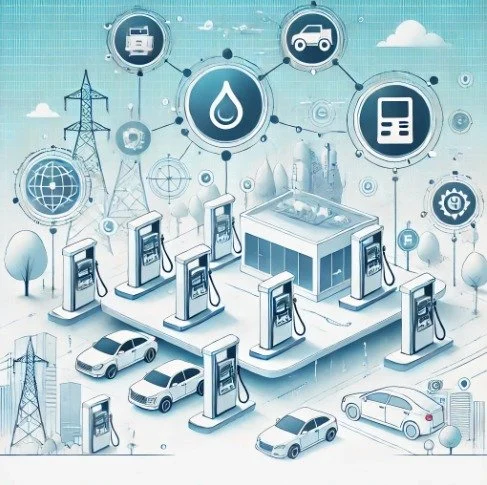
Logistics software When the loading, delivery and return movements of the vehicles are tracked together, it can be seen which routes or operations have more empty kilometers. This data makes it easier to evaluate vehicle planning over the entire voyage cycle, not just outbound transports.
In Which Situations Do Vehicles Have Empty Mileage?
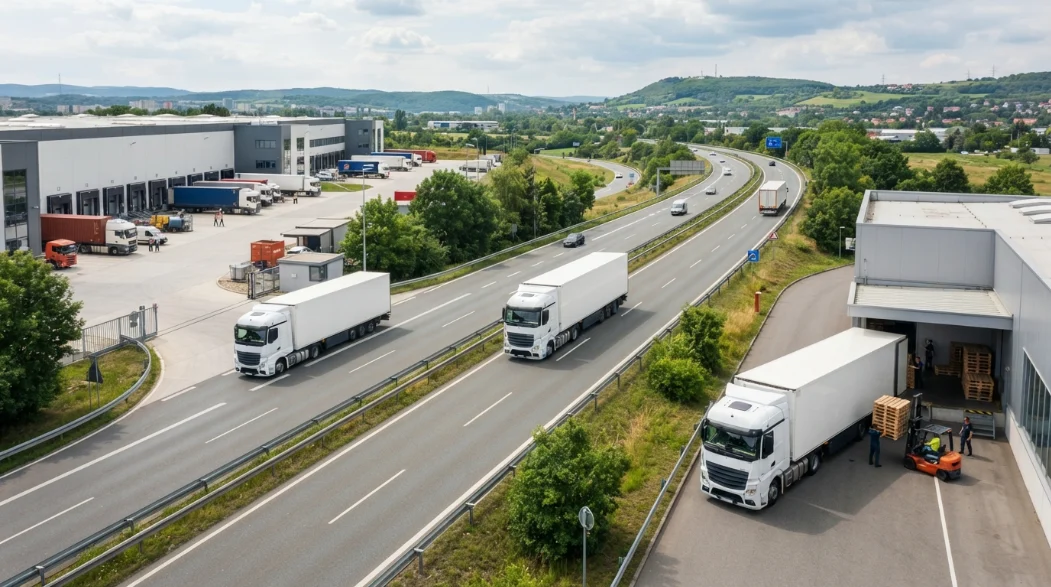
The most common cause of empty mileage is no return load after delivery. If the vehicle cannot receive a new load from the same region after delivering its load, it may have to return to the center or another operation without a load.
Geographically uneven distribution of loading and delivery points can also increase empty mileage. When intensive shipments are made to a certain region, the amount of cargo to be transported back from that region may be low. In this case, it becomes more common for vehicles to travel full in the direction of departure and empty in the direction of return.
Inadequate vehicle assignments may also create unnecessary idle movements. Assigning a vehicle further away for a load instead of a vehicle located nearby may cause the vehicle to travel empty for a long distance to the loading point.
Changes in the operating schedule may also create empty mileage. Canceling a load, changing the loading time, or updating the delivery point may cause the vehicle to move empty from its current location to the new task.
Incompatibility of vehicle types with loads is also an important factor. Even if there is a return load in a certain area, the vehicle may have to return empty if the vehicle type, volume, weight or transportation conditions are not suitable for this load.
One-way scheduling of deliveries can also increase the empty mileage rate. In the operation plan, only the delivery of the load to the customer is taken into account, but if the subsequent movement of the vehicle is not planned, empty returns may become normal.
In addition, moving different vehicles independently of each other in the same areas may also create inefficiency. If one vehicle is returning empty and another vehicle is driving empty in the same area to pick up a load, not evaluating the vehicle locations together may result in unnecessary mileage.
How Does Empty Mileage Affect Transportation Costs?
Operation costs continue to occur even if the vehicle is not carrying loads during the empty mileage. The vehicle consumes fuel, driver working time is used, and the vehicle's mileage-based maintenance need increases. Therefore, empty movements have a direct impact on the total transportation cost.
Fuel cost is one of the most visible impacts. Even if the vehicle is not full, it continues to consume a certain amount of fuel. In fleets with high mileage, empty distances that seem small can cause serious fuel consumption in total.
Driver cost is also affected by empty mileage. The time the driver spends with the empty vehicle cannot be used for another income-producing transportation task. Particularly in operations with working time limitations, empty movements may reduce the number of transports that can be carried out during the day.
Maintenance and tire costs are also related to total mileage. Even if the vehicle is unloaded, the engine, tires, brakes and other mechanical parts continue to be used. For this reason, empty mileage should not be evaluated only in terms of fuel.
Depreciation cost is also important. The economic lifespan of vehicles is largely dependent on mileage and usage time. While kilometers that do not generate income consume a part of the vehicle's lifespan, they do not directly generate income from transportation.
A high empty mileage rate may increase the cost per transportation. For example, if the vehicle travels 300 kilometers carrying load and then returns 300 kilometers empty, only half of the total vehicle movement of 600 kilometers is carrying load. In this case, the pricing of outbound transportation may also have to cover the return cost.
Therefore, the possibility of a return load is an important factor in some transportation prices. In regions where one-way freight movement is intense, transportation costs may differ depending on the routes with two-way freight flow.
How Does Empty Mileage Affect Fleet Efficiency
Fleet efficiency is not evaluated solely by how much vehicles move. It is also important how much of the vehicle's mileage turns into productive transportation activity. Therefore, a fleet that covers a lot of kilometers does not always mean an efficient fleet.
Increasing the empty mileage may cause the usable capacity of the vehicles to be wasted. While the vehicle travels unloaded from one area to another, it can potentially carry another load in the same period of time. This situation leads to the fleet capacity not being fully evaluated.
A high empty mileage rate can also make it seem like there is a need for more vehicles. If a significant portion of existing vehicles are wasting time with idle movements, the business may feel the need to add new vehicles to meet the increasing transportation volume. However, in some cases, better planning of the existing fleet can increase capacity.
Vehicle availability is also affected by idle movements. A vehicle that makes a long empty return will be ready for the new mission later. For this reason, the number of trips that can be completed during the day may decrease.
The effect of empty mileage may vary depending on the route. Some regions may have regular return freight, while others may be predominantly delivery points. Therefore, it may not be correct to use the same empty mileage target for all routes when evaluating fleet efficiency.
Vehicle type also affects the result. While a return load can be easily found for a standard vehicle, it may be more difficult to find a suitable load for vehicles that require special equipment. Empty return may become inevitable in some operations in refrigerated, tanker or special-sized transportation vehicles.
For this reason, the empty mileage rate should not be considered as a performance indicator alone; The operating conditions should be analyzed together with the vehicle type, regional load balance and service requirements.
How to Reduce Empty Mileage in Logistics Operations
One of the key ways to reduce empty mileage is through return load planning. Before the vehicle goes to the delivery area, researching suitable loads that can be carried in the return direction can reduce the possibility of returning empty. Thus, transportation can be carried out in both outbound and return directions in a single trip.
It is also important to track vehicle locations centrally. When a new load occurs, assigning the closest and most suitable vehicle can prevent vehicles from traveling unnecessary distances to pick up the load.
Interconnected scheduling of shipments can also reduce empty mileage. If there is another loading operation close to the point where a vehicle is delivering, the vehicle can be directed directly to that task. Thus, a new transport cycle can be started instead of returning to the center empty.
Routes need to be analyzed. When regions with constant empty returns are identified, alternative load sources can be investigated in these regions or shipment days can be rearranged. Combining multiple loads on the same day and area can provide more balanced vehicle movement.
Capacity sharing between carriers may also be a solution in some operations. While one business may not have any cargo in the return direction, another business may need transportation in the same area. Sharing carrying capacity under appropriate operating conditions can reduce empty movements.
The choice of vehicle type is also important. Using a very specialized vehicle may limit return load options. If transportation conditions allow, the use of vehicles suitable for more flexible load types can increase the probability of finding a return load.
During planning, only the initial delivery cost should not be considered. Even if a vehicle seems to be the lowest-cost option for initial transportation, if it returns empty for a long distance after delivery, it may increase the total operation cost. For this reason, vehicle assignment should be made taking the entire expedition into consideration.
Completely resetting the empty mileage may not be realistic for every operation. The aim is to distinguish between inevitable idle movements and planning-induced idle movements and to systematically reduce the part that can be reduced.
When the empty kilometer rate, route-based empty movements and return load rate are regularly monitored, areas for improvement in the operation structure can be seen more clearly. Thus, more cargo can be transported with the same fleet capacity, non-revenue-generating movements of vehicles can be reduced, and transportation costs can be managed in a more controlled manner.