What Does Cross Docking Mean?
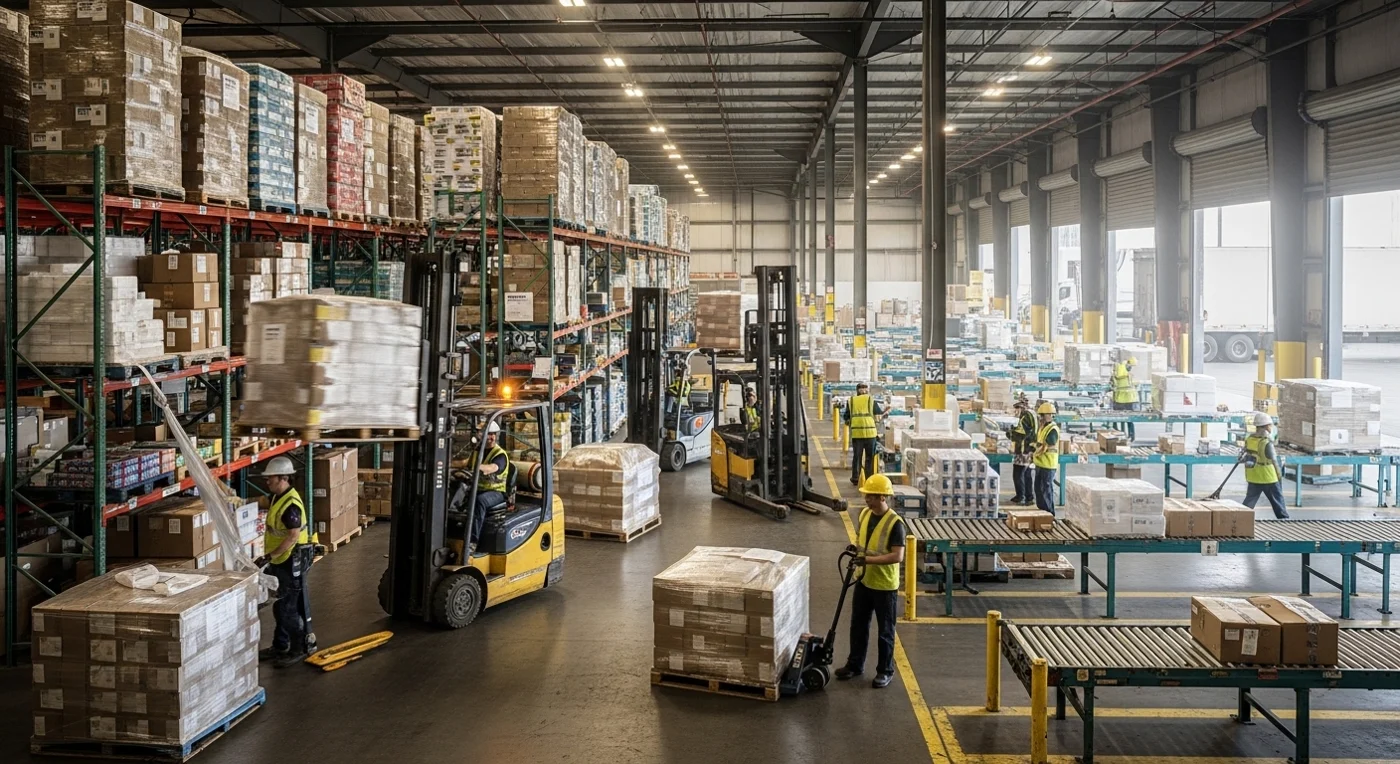
Cross docking is a logistics operation model in which products coming from suppliers are directed to exit vehicles after acceptance, control and sorting processes, without being stored in the warehouse for a long time. In this method, called cross-docking in international logistics terminology, the warehouse functions as a transfer center where entry and exit movements are brought together, rather than a classical stock area where products are kept for a long time.
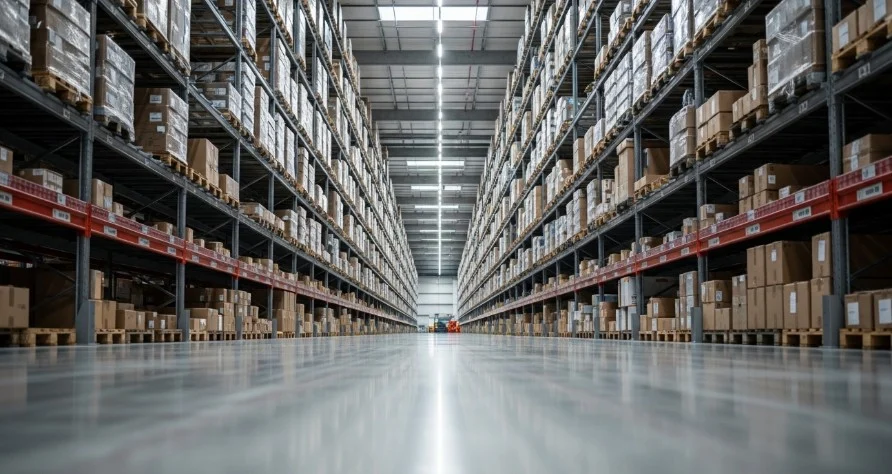
In traditional warehouse operations, after the products are unloaded from the vehicle, they are checked, placed on the shelves, and when an order is placed, they are collected again and prepared for shipment. In cross-docking, a significant part of these steps is eliminated. Which store, customer, order or distribution region the product will be sent to is often determined before it reaches the warehouse. Accepted products are directed to the relevant exit area and shipped when the appropriate vehicle is ready.
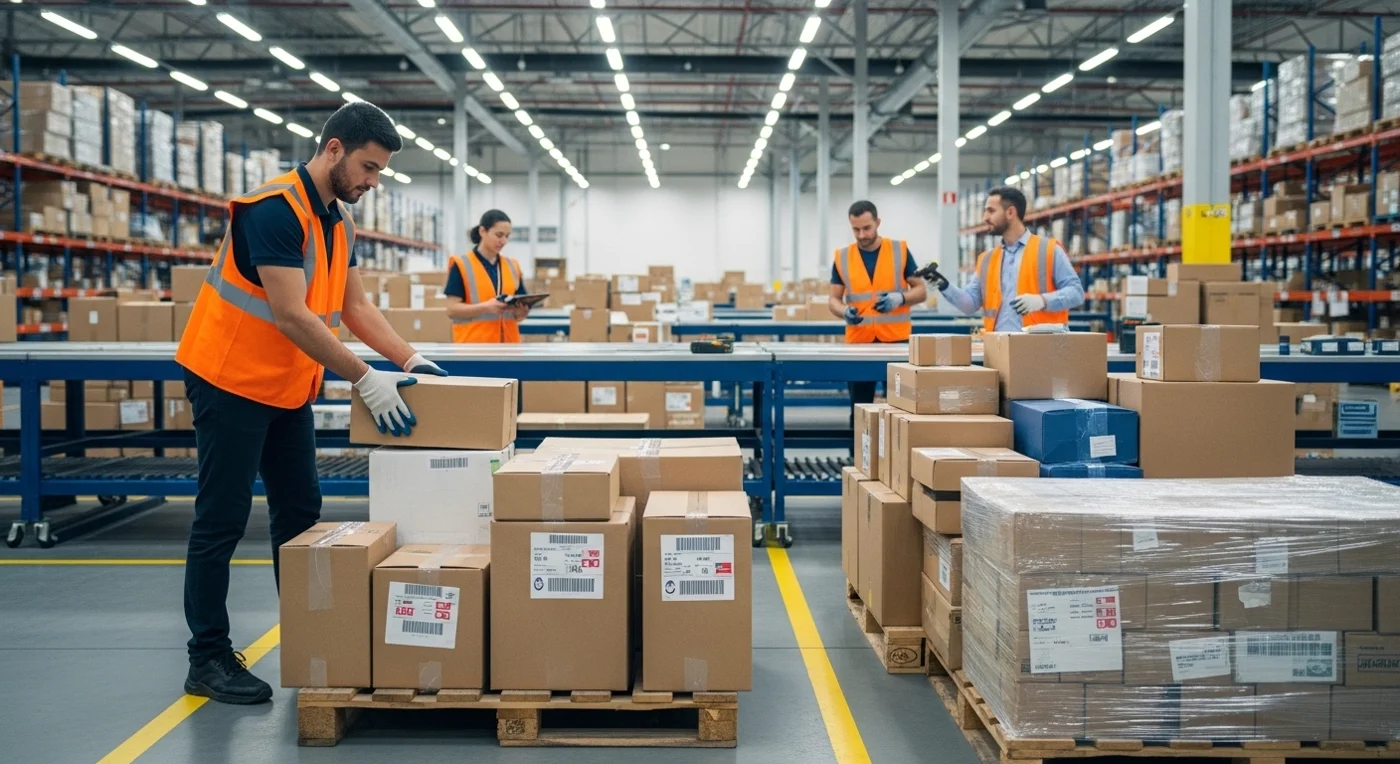
For example, beverages, cleaning products and packaging materials from different manufacturers can be separated on a store basis in a retail distribution center. Different products to be sent to the same store can be combined into a single exit load and loaded onto the distribution vehicle. Thus, instead of each supplier sending separate vehicles to the store, the products are brought together at the center in a short time and a more regular distribution plan is created.
In order for cross-docking to be implemented, entry and exit movements must be planned appropriately. The supplier vehicle arriving early or late, the expected product quantity being missing, or the exit vehicle not being ready on time may cause congestion in the operation area. Since no long-term waiting area is planned for products, even a small delay may affect subsequent loading gates and vehicle exits.
Therefore, cross-docking should not be considered merely as quickly transferring products from one vehicle to another. Order information must be prepared in advance, supplier delivery times must be determined, loading gates must be planned, products must be labeled correctly and exit vehicles must be ready on time. Because each step in the process is interconnected, data accuracy directly affects the success of the operation.
Logistics programs help track expected entries, product quantities, supplier vehicles, delivery points and exit plans in cross-docking operations through a common system. Thus, products arriving at the warehouse can be matched with relevant orders more quickly, which loading gate they will be directed to can be determined, and operations at risk of delay can be detected earlier.
Cross Docking Advantages
One of the main advantages of cross-docking is that it reduces the need for long-term storage. Not keeping products on the shelves for days or weeks can reduce the stock space needed by the business. Expenses such as shelving equipment, in-warehouse transportation vehicles, energy consumption and labor used for stocking can be reduced depending on the operation structure.
Reducing the number of transactions performed in the warehouse is also an important advantage. In a traditional process, after the product is unloaded from the vehicle, it is transported to the reception area, placed on the shelf position, collected again when the order arrives and taken to the shipping area. In cross-docking, shelf placement and order picking steps are reduced as the product is directed directly from the acceptance point to the sorting or exit area.
Less movement of the product can also contribute to controlling the risk of damage. Every unloading, transporting, placing and reloading operation creates additional risk, especially for products that are fragile or have fragile packaging. Moving products in a shorter flow from entry to exit can reduce unnecessary handling. However, in order to achieve this, barcode, label and product matching must be done correctly.
Cross docking can also shorten order fulfillment time. Directing the products for shipment without waiting for shelf placement and collection queues reduces the time it takes to reach the customer from the supplier. This is especially important for fast moving consumer goods, campaign products, seasonal collections and products with limited shelf life.
Shorter product runs can also reduce the risk of loss of value due to waiting in stock. Keeping products whose demand changes rapidly in the warehouse for a long time may create overstock and retention problems. Directing products for distribution in line with predetermined orders or store needs can help keep the stock amount more controlled.
More efficient use of vehicle capacity is one of the important benefits that cross-docking offers to transportation operations. Products coming from different suppliers and destined for the same region or delivery point can be combined. Thus, instead of launching more than one vehicle with low occupancy, joint distribution trips with higher occupancy rates can be prepared.
For example, if products are to be sent from different suppliers to five stores in the same city, each supplier's separate distribution may increase the total number of vehicles. When products are consolidated on a store-by-store basis in a cross-docking center, deliveries can be planned based on route and vehicle capacity. This approach can reduce total mileage, vehicle density and transportation cost per delivery.
A more organized operation can also be created in terms of delivery points. Instead of accepting multiple supplier vehicles throughout the day, a store or manufacturing facility can accommodate several consolidated distribution vehicles. This can reduce congestion in the goods receiving area, waiting times and conflicts in delivery appointments.
Cross-docking can also be used to increase supply chain visibility. When the entry vehicles will arrive, which products they will bring, which exits the products will be transferred to, and when the shipments will be completed can be recorded. When this information is monitored regularly, it is easier to determine which supplier, product or operational stage the delays are caused by.
However, the advantages of cross-docking can be reversed if the operation is not planned correctly. Failure to arrive on time for the expected product may cause the exit vehicle to wait, incorrect labeling may cause the product to be directed to a different customer, and inadequate door plan may cause vehicles to accumulate on the field. Therefore, the success of the system depends not only on reducing storage time, but also on managing input and output processes on the same plan.
In Which Sectors Is Cross Docking Preferred?
Cross docking is more commonly used in sectors where product movement is fast, shipment volume is regular and delivery points are predetermined. The fast moving consumer goods sector is one of these areas. Food, beverages, cleaning and personal care products to be sent to market chains can be brought to the distribution center from different suppliers and sorted according to store orders.
In the retail industry, cross-docking can become an important distribution model as products need to be sent regularly to many stores. When the needs of the stores are determined in advance, there is no need to keep the products in the central warehouse for a long time. Incoming products can be combined on a store basis and transferred to planned distribution flights.
In the food industry, reducing the time products spend in storage is important in terms of quality and shelf life. Products that are consumed daily, require a cold chain or have a limited expiration date may need to be distributed without being kept for a long time. However, the cross-docking area and the vehicles used must meet the temperature conditions required by the product.
Cross docking can also be applied in e-commerce operations. Products coming from the supplier and whose customers are pre-determined can be matched with the order and directed to the cargo or last mile distribution line without being stocked in the distribution center for a long time. This model can shorten the order fulfillment time, especially in pre-order, marketplace or supplier stock sales processes.
In e-commerce, it is of great importance that product information is accurate. If the product code received from the supplier does not match the code in the customer order, this may cause the product to be sent to the wrong customer or to remain in the operation area. It is therefore necessary to verify the barcode, order number, address and package information through the system.
In the automotive industry, the parts needed by the production line must be delivered at the right time. Parts coming from different sub-industry suppliers can be separated by factory, production line or time of use in the consolidation or cross-docking center. Shipping parts in accordance with the production schedule can reduce the need for stock space within the factory.
In automotive operations, the cross-docking plan is quite sensitive as there is a risk that a wrong or delayed part will stop production. The part number, production sequence, quantity, delivery time and vehicle schedule must match each other. In case of supplier delay, preparing alternative plans in advance is important for operational continuity.
This model can be used in the textile and fashion industry because seasonal products need to be distributed quickly to stores. When new season products or campaign collections reach the distribution center from manufacturers, they can be sorted and shipped according to store orders. Delivering the products to the stores before the sales period begins ensures more efficient use of the season time.
Electronic products and spare parts operations may also be eligible for cross-docking. Pre-ordered products or parts to be sent to certain service points can be transferred to distribution without waiting at the center for a long time. For products requiring serial number, product code or warranty registration, the control process must be carried out quickly but without errors.
Cross docking can also be applied in the pharmaceutical and healthcare products industry, provided the necessary legal, safety and temperature conditions are met. The batch number, expiration date and temperature information of the products should be followed. Even if the product's stay at the center is short due to control requirements, the registration and verification stages should not be skipped.
Eligibility for cross-docking is not determined solely by the sector in which the business operates. It is also important that product demand is predictable, suppliers can comply with the delivery schedule, order information is available in advance, and products do not need long quality control processes.
Products whose demand is uncertain, whose recipient has not yet been determined, or which require detailed quality control may not be suitable for cross-docking. These products may first need to be taken to the stock area and shipped after the necessary procedures are completed. For this reason, businesses should make decisions based on product group and operation features instead of including all products in the same model.
Cross Docking Types
Cross docking can be implemented in different types depending on the extent to which products are planned before they reach the warehouse and what operations are carried out in the transfer center. The order structure, number of suppliers, product volume, delivery frequency and technological infrastructure of the business are effective in determining the method to be used.
In pre-planned cross-docking, it is clear which customer, store or order the product will be sent to before it reaches the warehouse. The supplier ships the products sorted, packaged and labeled according to their delivery point, if possible. After accepting the products, the warehouse team directs them to the relevant exit area.
This model can ensure that the products remain in the center for a very short time. However, the information from the supplier and the physical product must match exactly. Receiving fewer or more products than expected, using the wrong label, or writing the delivery point incorrectly may disrupt the exit plan.
In the pre-planned model, it is also important for suppliers to comply with specific delivery times. A supplier's delay may cause other products to be sent to the same store to be waiting in the vehicle. It should be determined in advance whether the exit vehicle will be sent with the missing load or whether the delayed product will be left for the next time.
In consolidated cross-docking, products from different suppliers are combined for the same customer, store or route. Products can wait for a short time in the transfer center until the necessary loads are completed, but they are not placed on classic stock shelves. When all loads arrive, a common exit vehicle is prepared.
This method can increase the vehicle occupancy rate and reduce the number of vehicles to the same delivery point. However, the delay of one of the loads in the consolidation group may cause other products to be delayed. Therefore, waiting time limits and missing product scenarios should be planned in advance.
In distributed cross-docking, high-volume cargo from a single supplier or main shipment is separated according to different delivery points. For example, a vehicle full of products coming from the manufacturer can be divided into store quantities at the distribution center and loaded into different regional vehicles.
In this type, accurate separation and counting operations are critical. Redirecting a product that should be sent to a store to another outlet may create stock differences at more than one delivery point. Barcode reading, order matching and loading control can be used to reduce the risk of errors.
In opportunity-based cross-docking, the product may have been initially sent to the warehouse. However, if a suitable customer order or exit vehicle is found waiting for the product when it arrives, it is directed directly to shipment without being placed on the shelves. Thus, the stocking process is reduced by taking advantage of the matching opportunity.
This model is more flexible than pre-planned cross-docking. However, in order for it to be implemented, stock, order, vehicle capacity and delivery information must be up-to-date. If the correct matching cannot be made on the system, the product required for another order may be accidentally directed to the exit.
Continuous cross-docking is a model in which product entry and exit continues in a regular flow throughout the day. It can be used in large retail chains and high-volume distribution centers. Products arrive within specific time periods and move according to pre-prepared release plans.
In the continuous flow model, balanced use of loading doors, personnel and field area is required. Delay at one entrance gate can affect the sorting area and the movement of subsequent vehicles. For this reason, operation performance should be monitored instantly and the door or personnel plan should be updated when congestion occurs.
A mixed cross-docking model may be used in some operations. While some of the products are directed to pre-planned orders, another part may be held for a short time for consolidation or taken to the stock area. This approach offers a more flexible operation to businesses with different product features and demand structures.
When choosing the appropriate cross-docking type, storage costs should not only be considered. Supplier performance, delivery frequency, need to control products, order accuracy, vehicle capacity and waiting area at the center should be evaluated together. Choosing the wrong model may cause products to accumulate in the operation area and vehicles to wait for a long time.
Businesses should analyze their product groups and current operation flows to determine which products can be directed directly to the exit. While products with regular demand and pre-orders can fit into the pre-planned model, small loads from different suppliers can be transported more efficiently with the consolidated model. The correct model should be determined as a result of an evaluation based on product and operation.