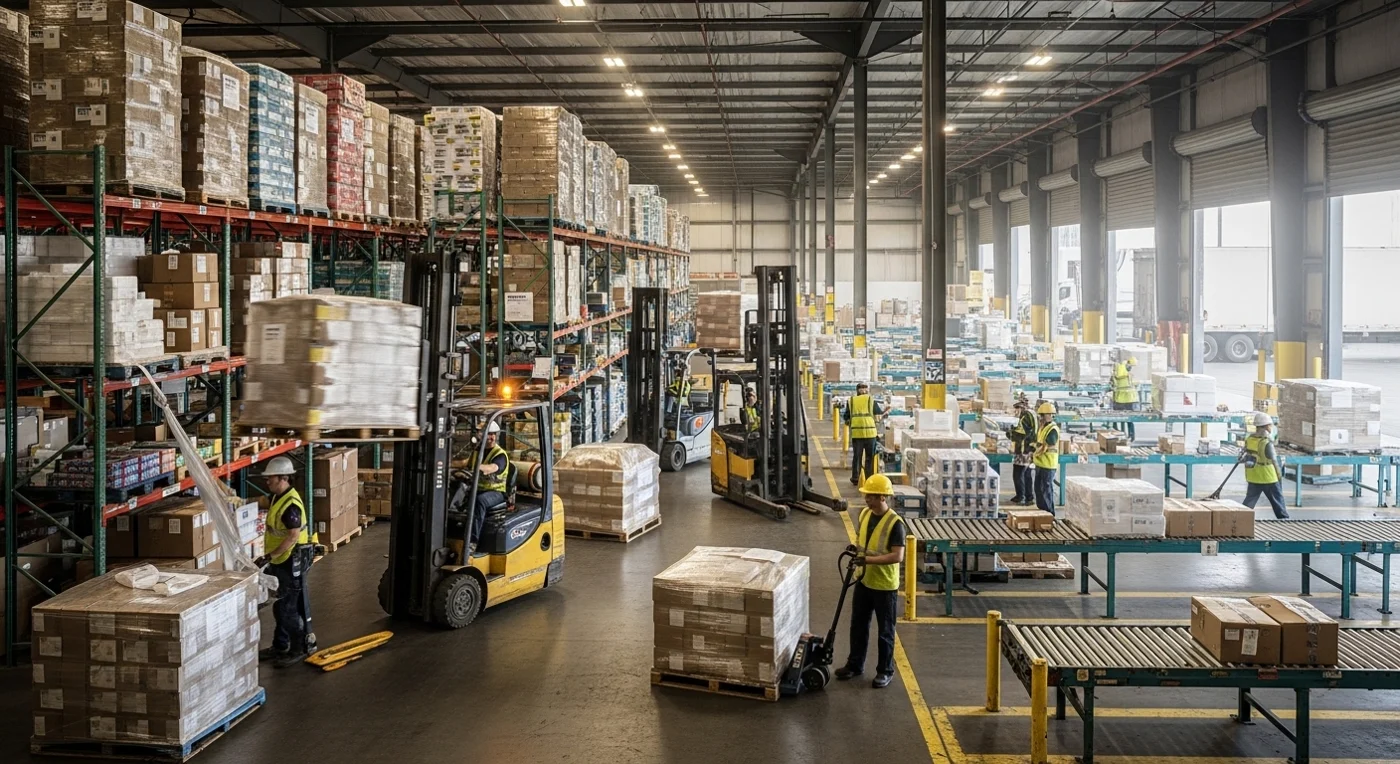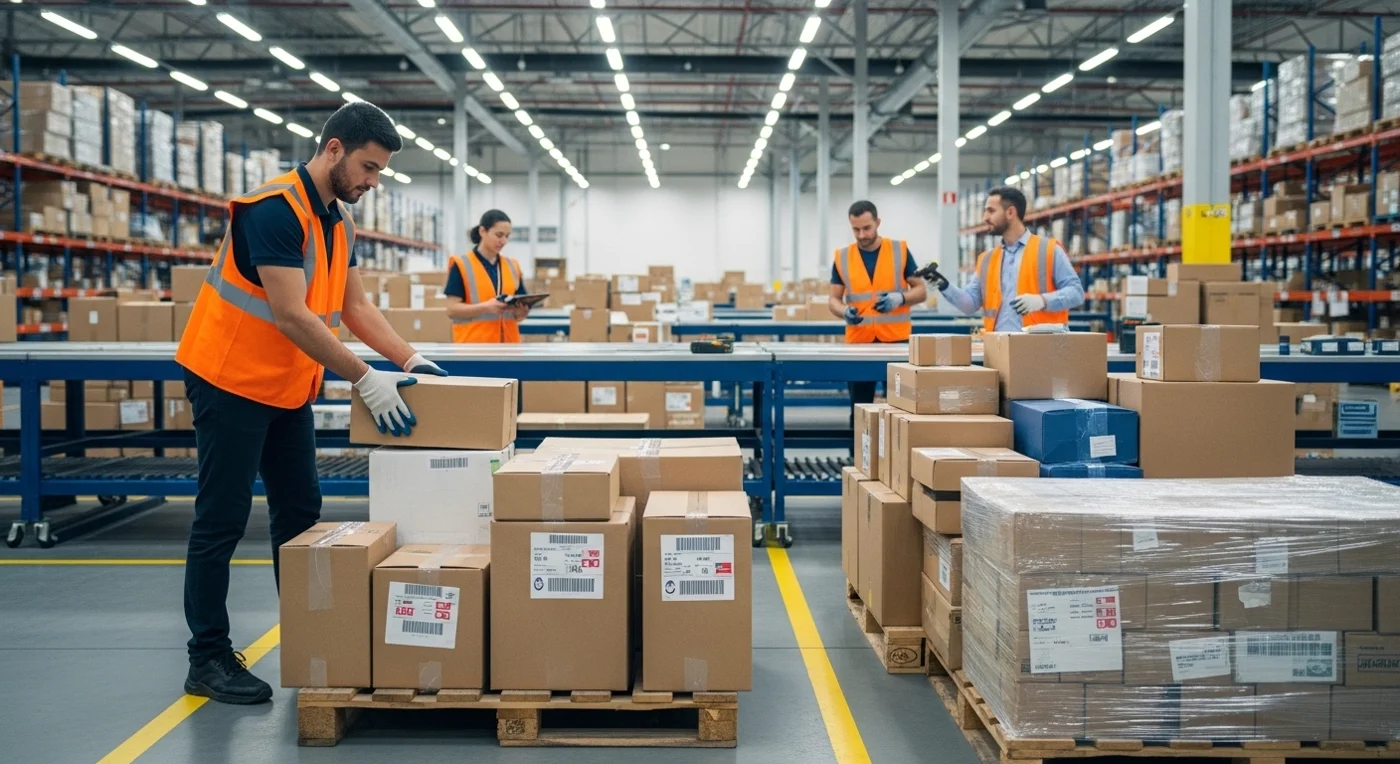
What Does Shipment Consolidation Mean?
Shipping consolidation is the combining of different orders, different loads, or shipments destined for similar delivery areas under a single shipping plan. The aim is not just to put loads in the same vehicle. The main goal is to use transport capacity more efficiently, reduce unnecessary vehicle output, simplify the delivery flow and make the total logistics cost more controlled. Shipment of loads going to the same line separately often creates empty capacity, excessive trips and loss of time. On the other hand, a correctly done combination allows more work to be done with less resources.
In many companies, as the number of orders increases, the shipping structure becomes more complex. Products destined for areas close to each other on the same day may be loaded into different vehicles, repeated exits may occur, and the transportation plan may be unnecessarily fragmented. This situation does not only create a cost problem. Warehouse exit slows down, loading area becomes congested, vehicle schedule becomes disorganized and delivery performance weakens. Shipment consolidation becomes important at this point. Because it turns the messy shipment flow into a more planned and balanced order.
When applied correctly, this method increases vehicle occupancy, reduces the number of shipments and makes the intensity of operations on the same day more balanced. It provides a great advantage especially for companies that make multi-point distribution, make regular shipments to certain regions and work with daily vehicle planning. However, the important point here is not to combine each load randomly. Real efficiency occurs only when shipments that are truly meaningful to be delivered together are brought together with the right criteria.
For this reason, the consolidation process should not be seen as an instant decision made only at the warehouse site. Order time, delivery priority, vehicle type, route structure, load characteristics and customer expectations should be evaluated together. Especially companies that use logistics software can see more clearly which orders need to be shipped together. Thus, decisions are made based on visible data, not guesses.
What is the Purpose of Combining Shipments?
The purpose of consolidating shipments is primarily to improve capacity utilization. When loads destined for the same area are distributed to different vehicles, space inside the vehicle is created. The vehicle sets off, consumes fuel, driver time is used and the operational resource is activated, but the amount of load carried remains low. This increases the cost per transportation. Bundling shipments makes it possible to transport more freight with the same resource.
The second goal is to simplify the operation flow. Issuing separate shipments for each order increases the workload of the planning team. Separate vehicle assignments, separate loading patterns, separate exit tracking and separate delivery organizations quickly create management difficulties. When compatible shipments are collected under the same plan, the process proceeds more regularly. Warehouse exits become clearer, vehicle movements are reduced and the operation is easier to monitor.
Another important goal is to strengthen the delivery pattern. While the dispersed shipping structure may lead to more vehicle movements than necessary in some areas, it may cause low capacity utilization in other areas. This imbalance also affects delivery quality over time. On the other hand, consolidating shipments in a controlled manner makes the regional load distribution more balanced. This establishes a more predictable structure in field management.
The purpose of combining shipments is also related to warehouse efficiency. Loads shipped separately require more preparation, more loading space usage and more human resources. Whereas, a consolidated shipping model can reduce movement within the warehouse. Picking, sorting and loading become more planned. This provides efficiency not only on the transportation side but also on the warehouse exit layout.
However, the main point to be considered here is this. The decision to merge should not be made solely to increase vehicle occupancy. Any combination made without taking into account delivery time, product compatibility and operation flow can create problems rather than advantages. The right goal is not to bring together more loads, but to bring together more right loads at the right time and with the right vehicle.
How to Plan Shipment Consolidation
The first step when planning shipment consolidation is to classify the orders correctly. Not every order has the same priority, at the same time and under the same delivery condition. Therefore, the region, delivery date, volume, weight, product nature and customer type of the shipments must first be clarified. If this basic data is not healthy, it cannot be determined correctly which shipments can go out together.
The second step is to evaluate carrying compatibility. Although two loads going in the same direction seem to be combined in theory, in practice they may not be suitable for transportation in the same vehicle. Sensitive products, loads that require special stacking, orders that need to be delivered within a certain time period, or shipments that require a different vehicle type may require separate planning. Therefore, planning should be done according to actual operating conditions, not just address proximity.
Vehicle capacity is also at the center of planning. Just fitting a shipment into a vehicle is not enough. Weight balance, volume usage and delivery order should be considered together. If the loading order is disrupted while trying to increase vehicle occupancy, field performance will decrease. The first load to be delivered being left at the bottom, in-vehicle access problems, or misuse of capacity may weaken the plan, which looks good on paper, in the field.
Timing also directly affects the consolidation plan. The time period in which the loads will depart on the same day, the delivery promise given to the customer and the regional traffic density must be taken into account. Combining just for the purpose of doing more work with a single vehicle will not produce correct results if it disrupts delivery hours. Therefore, planning must strike a balance between capacity efficiency and service quality.
System support provides great convenience here. A more accurate plan can be made when order density, vehicle availability, delivery region and past performance are seen together. Logistics software, in particular, makes it more visible which shipments provide an advantage when they leave together. Thus, planning ceases to depend on personal experience and is placed on a more measurable basis.

Effect of Shipment Consolidation on Costs
The impact of shipment consolidation on costs is directly felt. Its most basic effect is to reduce unnecessary vehicle use. When loads destined for the same line are shipped separately, fuel, driver time, vehicle usage and operation expenses are repeated. Combining shipments correctly reduces these repetitions. When the same job is completed with fewer resources, the cost per transportation decreases.
The impact on fuel consumption is particularly significant. Every additional vehicle movement doesn't just mean extra kilometers. It also increases maintenance, tire, service and general operating expenses. These differences, which seem small in companies that make regular shipments, can create serious monthly and annual cost pressures. Therefore, consolidation is not only a planning choice but also a cost management tool.
It also provides cost advantages on the warehouse side. Separate shipments require more preparation time, more loading space usage and more workforce. The combined shipment model makes warehouse exits more regular. When it is clear in advance which loads will be prepared together, chaos in the loading area is reduced. This increases workforce efficiency and reduces indirect costs.
However, cost advantage does not always occur automatically. Consolidation done incorrectly can result in delivery delays, additional on-site waits, and more complex on-board layout. In this case, even if the number of vehicles seems to decrease, the delivery time will be longer and different cost items will arise. That's why it's not enough to just look at how many vehicles are released. Delivery success, route balance and operation time should also be evaluated together.
With a properly established structure, shipment consolidation reduces costs and preserves operational quality. The main difference here is between unplanned defragmentation and controlled defragmentation. When data-based planning is done, it becomes clearer which model is truly advantageous. This makes cost management sustainable, not short-term.
Points to Consider in Shipment Consolidation
The first thing to consider is delivery priority. Not every order has the same flexibility. Including urgent shipments into the general rush may create delays rather than facilitate the operation. For this reason, it should be determined from the beginning which shipments must be managed separately. Consolidation is not the appropriate solution for every load.
The second important point is product compatibility. Shipments loaded on the same vehicle must be compatible with each other. Products that are sensitive, breakable, require special stacking, or require different transportation conditions may cause problems within the same plan. Combining loads without assessing whether they can be carried together increases the risk of damage and disrupts the delivery order.
The delivery order should also not be overlooked. If the in-vehicle layout does not serve the delivery flow, capacity gain may turn into loss in the field. Loading the first deliverables to hard-to-reach areas creates a waste of time at each stop. Therefore, the consolidation plan and the loading plan should be considered together. The efficiency achieved in the warehouse must be maintained in the field.
Data quality is also critical. Incorrect order information, incomplete address, wrong product size or outdated delivery note can disrupt the whole plan. In structures that manage a large number of orders, such seemingly small errors quickly turn into major operational problems. Therefore, it is not possible to establish a strong consolidation model without data accuracy.
Finally, performance monitoring must be done. Which regions were advantageous in consolidation, which shipment types caused delays, which vehicle type was used more accurately, and which order groups were moved together more efficiently should be examined regularly. Consolidation is not a one-time decision. It is a planning approach that needs to be constantly reviewed.
When shipment consolidation is implemented correctly, capacity utilization increases, unnecessary vehicle output decreases and the operation flow becomes more balanced. If applied incorrectly, it may disrupt the delivery order. Therefore, success is not in bringing together the loads, but in bringing together the right shipments with the right rules. The consolidation process is managed much more soundly when a structure is established that has increased visibility with software support, is fed with data and is analyzed regularly.