What Does Freight Mean?
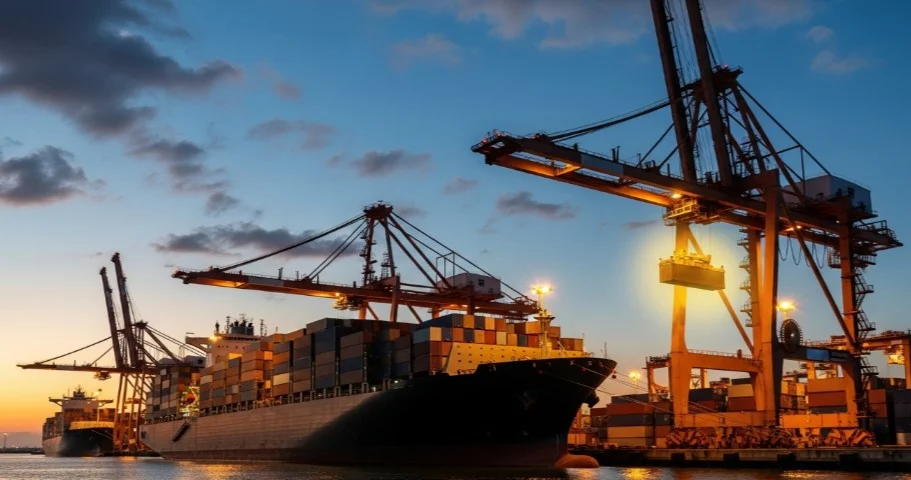
Freight is the main transportation fee paid to the carrier for transporting a load from a certain point of origin to its destination. Although this concept first became widespread in maritime transportation, it is now also used in road, air, railway and multimodal transportation processes. In short, freight is the basic fee of the transportation service.
Freight only refers to the main price determined for the transportation of the cargo. However, in logistics processes, the total cost is often not limited to just freight. Fuel differences, terminal expenses, security surcharges, port expenses, exchange rate fluctuations, seasonal density and special service fees may increase the total transportation cost. For this reason, freight and total logistics cost should be evaluated separately.
Especially for companies engaged in foreign trade, freight is an important item that directly affects the final cost of the product. Incorrectly calculated freight cost may negatively affect the sales price, profitability and delivery process. Therefore, the type of cargo, its volume, weight, mode of transportation, route and delivery conditions should be carefully analyzed in the freight calculation.
Freight is not the same as demurrage, detention, storage or customs costs. Demurrage and detention are additional costs that generally arise due to the container being used for more than the specified period or waiting at the port. Storage may occur as a result of the cargo waiting at the port, warehouse or terminal. These items are evaluated outside of freight and may be reflected to the buyer or seller according to the terms of the contract.
What is a Freight Contract?
Freight contract is a legal agreement between the carrier and the cargo owner that regulates the transportation of the cargo on a certain route, under certain conditions and for a certain fee. This contract clarifies the parties to the transportation process, the nature of the cargo, the transportation cost, the delivery point, responsibilities and possible additional costs.
In maritime transportation, the freight contract is often associated with transport documents such as bills of lading or sea waybills. These documents include information such as who sent the cargo, to whom it will be delivered, on which ship it was transported, and the loading and unloading ports. The bill of lading can also be an important document showing ownership of the cargo.
In charter transportation, the freight contract is prepared more comprehensively. In different models such as voyage charter, duration charter or bare ship charter, the loading time, unloading time, waiting conditions, dead freight, port costs and transportation responsibilities of the parties are determined in detail. In liner transportation, the tariff and reservation conditions determined by the carrier are more prominent.
It is of great importance to declare the cargo correctly in the freight contract. The weight and volume of the cargo, whether it is a dangerous substance, whether it requires special temperature conditions or whether it is in the sensitive product class affects the transportation cost and responsibilities. Incomplete or incorrect declaration may lead to additional costs, delays or legal liabilities.
How Are Freight Rates Calculated?
Freight charges; It is calculated according to the type of transportation, weight, volume of the load, route, distance, equipment type, seasonal density and carrying capacity. The calculation method may be different for each transport model. For this reason, the freight calculation logic for sea, road, air and railway transportation should be evaluated separately.
In maritime partial cargo transportation, the volume and weight of the cargo are usually compared. The calculation is made according to whichever creates the higher value in terms of freight. For full container loads, pricing is generally applied per container. Equipment types such as 20' container, 40' container, high cube container, reefer container or open top container directly affect the freight fee.
Freight in road transportation; It is determined according to distance, load volume, weight, vehicle type, partial or complete transportation preference, delivery time and route conditions. Whether the load is stackable, whether it requires special equipment or not, and whether the delivery point is outside the city center may also change the price.
In rail transportation, pricing can be made based on container, wagon, pallet or tonnage. Rail can often be advantageous for regular, heavy and high volume loads. However, terminal connection, transfer need and delivery time should be taken into account in the freight calculation.
In freight calculation, it is not enough to look only at the main transportation cost. Fuel surcharge, terminal handling charge, security supplements, peak season difference, port charges, document fees and destination charges may change the total cost. For this reason, companies need to see all cost items separately, not just the freight cost, when receiving a quote.
How is Freight Fee Calculated in Air Cargo Transportation?
In air cargo transportation, pricing weight is the basis of freight calculation. The charging weight is determined by comparing the gross weight with the volumetric weight. Whichever is higher, that value will be used as the basis for billing. This method is especially important for transporting light but bulky products.
Volumetric weight is calculated according to the width, length and height dimensions of the load. For example, a large but lightweight product may have a higher charge weight than its actual weight. For this reason, packaging dimensions in air cargo transportation are as important as the actual weight of the product.
Air cargo tariffs are generally determined in kilogram-based levels. At higher weights, the unit cost per kilogram may decrease. However, this is not the same for every route, airline and season. Direct flights, connecting flights, urgent deliveries, capacity availability and operational intensity in the destination country may change the price.
In addition to air cargo freight, additional costs such as fuel surcharge, security control fee, terminal expense, storage, handling, hazardous material transportation fee or temperature controlled transportation service may occur. These costs become more evident in special cargo such as pharmaceuticals, electronics, perishable food, sample products or sensitive equipment.
Air cargo freight is generally more costly than sea or road freight as it provides the advantage of fast delivery. For this reason, air cargo is preferred for products that need urgent delivery, high value, small volume or time sensitivity.
Who Pays the Freight Cost?
Who will pay the freight cost is determined according to the commercial agreement made between the parties and the delivery method used. In international trade, Incoterms rules are most taken into consideration in this regard. Incoterms are rules that determine the responsibilities of the seller and buyer regarding transportation, insurance, customs clearance and risk sharing.
With EXW delivery, the buyer is responsible for most of the transportation process. In this case, the freight cost is usually paid by the buyer. In FOB delivery, the seller is responsible until he delivers the cargo to the ship; The main transportation freight is mostly borne by the buyer. In delivery methods such as CIF and CIP, the main transportation fee is paid by the seller. With DDP delivery, the seller is responsible for almost all costs, including import duties.
In sea and air transportation, the method of payment for the freight cost is generally stated as "Freight Prepaid" or "Freight Collect" in the transportation documents. Freight Prepaid indicates that freight has been prepaid by the shipper or seller. Freight Collect means that the freight cost will be paid by the buyer upon arrival.
However, the fact that the freight is paid by the seller does not mean that the buyer will not encounter any additional costs. Items such as destination port expenses, terminal fees, delivery order fee, customs clearance expenses, storage or inland transportation may be borne by the buyer according to the terms of the agreement. For this reason, payment responsibility and additional expenses should be clearly stated in freight offers.
The healthiest approach for companies engaged in foreign trade is to consider the freight cost as a part of the total delivery cost, not just as a transportation fee. In this way, the product cost is calculated more accurately, surprise expenses are prevented, and disputes that may arise between the buyer and the seller are reduced.