What Does FTL Transportation Mean?
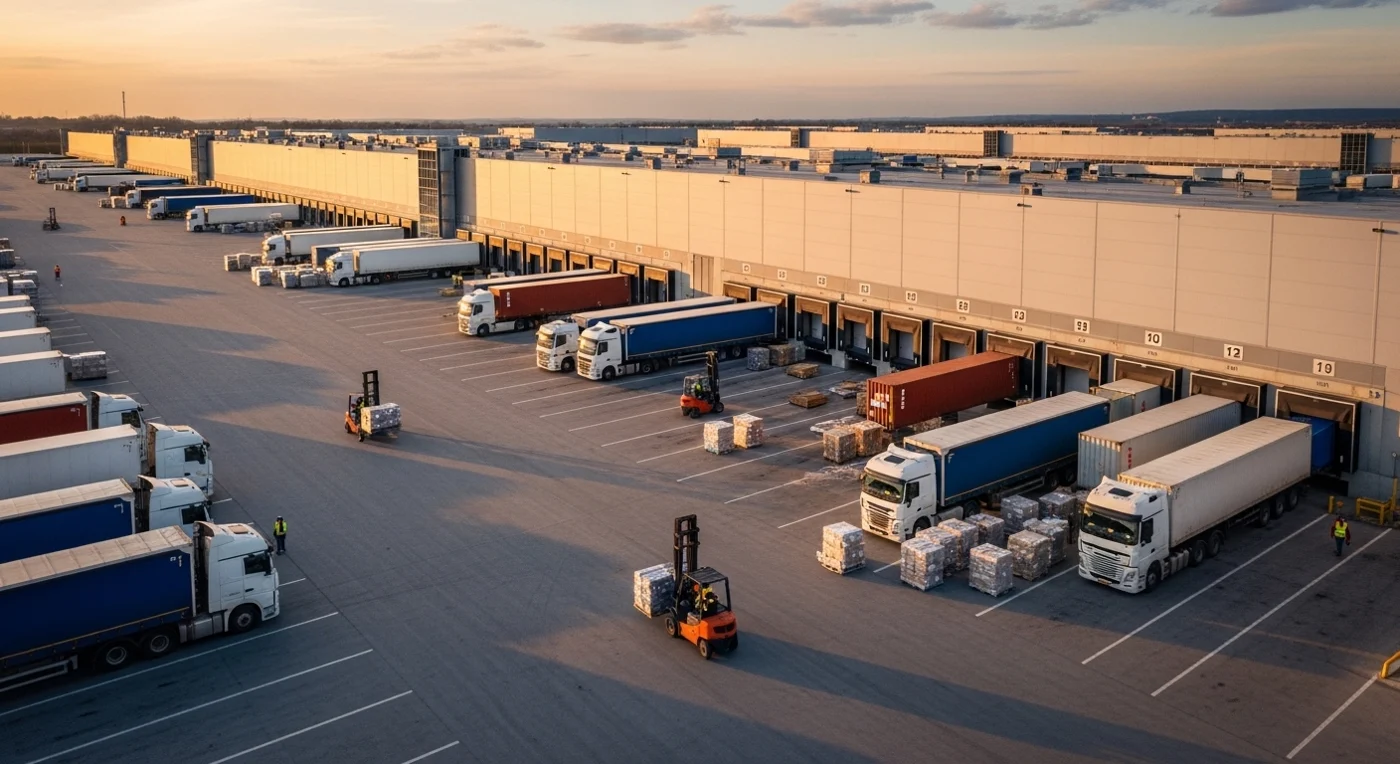
FTL Transportation is the abbreviation of “Full Truck Load” and refers to the transportation of an entire vehicle by filling it with the load belonging to a single sender. In this model, after the vehicle leaves the loading point, it heads directly to the delivery address and loads from different senders are not added in between. This both simplifies operational processes and makes delivery time predictable. The FTL model is preferred especially for shipments that are time sensitive, high volume or require special transportation conditions. Since transportation planning, route optimization and delivery tracking are carried out on a single load, the process is more controlled. In addition, since the in-vehicle layout belongs entirely to the sender, the loading plan can be designed more flexibly. This structure reduces the risk of damage and increases operational efficiency. It offers a more systematic solution compared to the partial model for large volume shipments.
The basic logic in FTL transportation is to allocate the capacity of the vehicle for a single customer. In this way, processes such as transfer, intermediate storage or contact with different loads are eliminated. This model provides high performance, especially in bulk shipments from production facilities to distribution centers. For companies that want continuity in supply chain management, FTL creates a planned and orderly flow. Thanks to end-to-end management of the operation, delivery times can be determined more clearly. In addition, since the load belonging to a single sender is transported, the shipping process is more transparent. This facilitates both logistics planning and cost control. FTL stands out as a strategic choice, especially in high tonnage and volume shipments.
In Which Situations Is FTL Transport Preferred?
FTL Transportation is generally preferred when there is enough cargo to fill most of a vehicle. This model is advantageous if the shipment volume is high and sharing with different companies is not desired. At the same time, FTL offers a faster and more direct solution when delivery time is critical. It minimizes time loss, especially in shipments made directly from production to retail distribution centers. If the load is sensitive or valuable, allocating a single vehicle is important for safety. FTL is also frequently preferred for cold chain transportation or shipments requiring special equipment. In addition, this model simplifies the process in operations where shipment must be made from one point to another. FTL is a powerful alternative in planned shipment organizations for large-scale businesses.
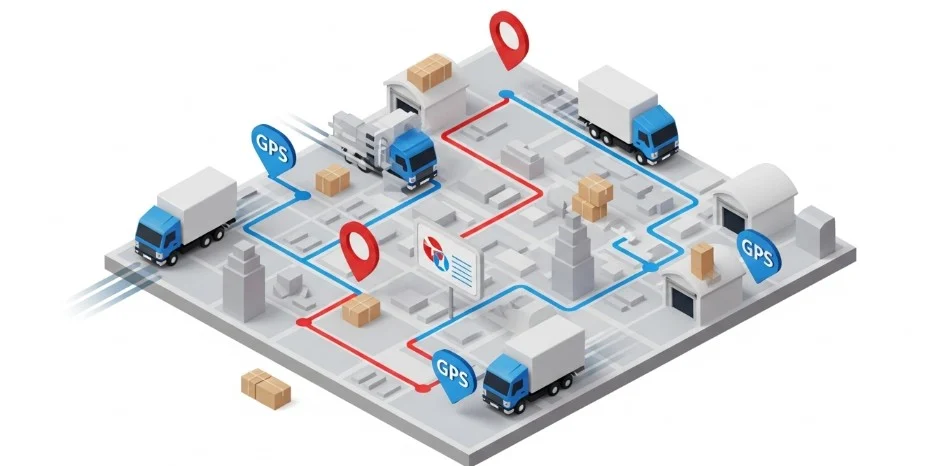
Another important reason for preference is the need for operational control. Lack of contact with different loads reduces the risk of damage and maintains load integrity. Companies that make regular shipments use the FTL model to make their planning more systematic. At this point, digital tracking of operations becomes important and companies carry out route, vehicle and delivery time planning in an integrated manner, using logistics software to manage their processes more effectively. Thus, vehicle occupancy rates are optimized and cost management is made more sound. Additionally, FTL is more advantageous in terms of customs and time planning for large volume export shipments. Controlling the process end-to-end increases operational efficiency. For this reason, FTL is preferred for high volume and regular shipments.
How is the Cost Calculated in FTL Transportation?
In FTL Transportation, cost calculation is made by allocating the entire vehicle to a single sender. For this reason, pricing is generally determined on a kilometer-based or route-based basis. The distance to be transported, route conditions and road tolls have a direct impact on the cost. Additionally, vehicle type, trailer type and special equipment requirements are among the factors that determine the price. Fuel prices and driver costs also constitute a significant part of the total cost. In international transportation, customs procedures and border crossing costs are also taken into account. In this model, since the vehicle capacity is allocated to a single company, the unit cost may vary depending on partial transportation. However, a total cost advantage may occur in high volume loads.
The weight and volume of the load are also taken into account in the cost calculation. If the load fills the vehicle's full capacity, the cost is distributed more efficiently. However, if FTL is preferred before the entire vehicle is filled, the cost rate increases. Additional services such as expediting delivery time or requesting special routes may increase the price. In addition, insurance coverage and the value of the load also play a role in the cost calculation. Companies that make planned and regular shipments can obtain more balanced prices with long-term agreements. Therefore, FTL cost is determined not only by distance but also by operational requirements. With correct planning, FTL transportation can be optimized in terms of cost.
How to Ensure Load Safety in FTL Transportation?
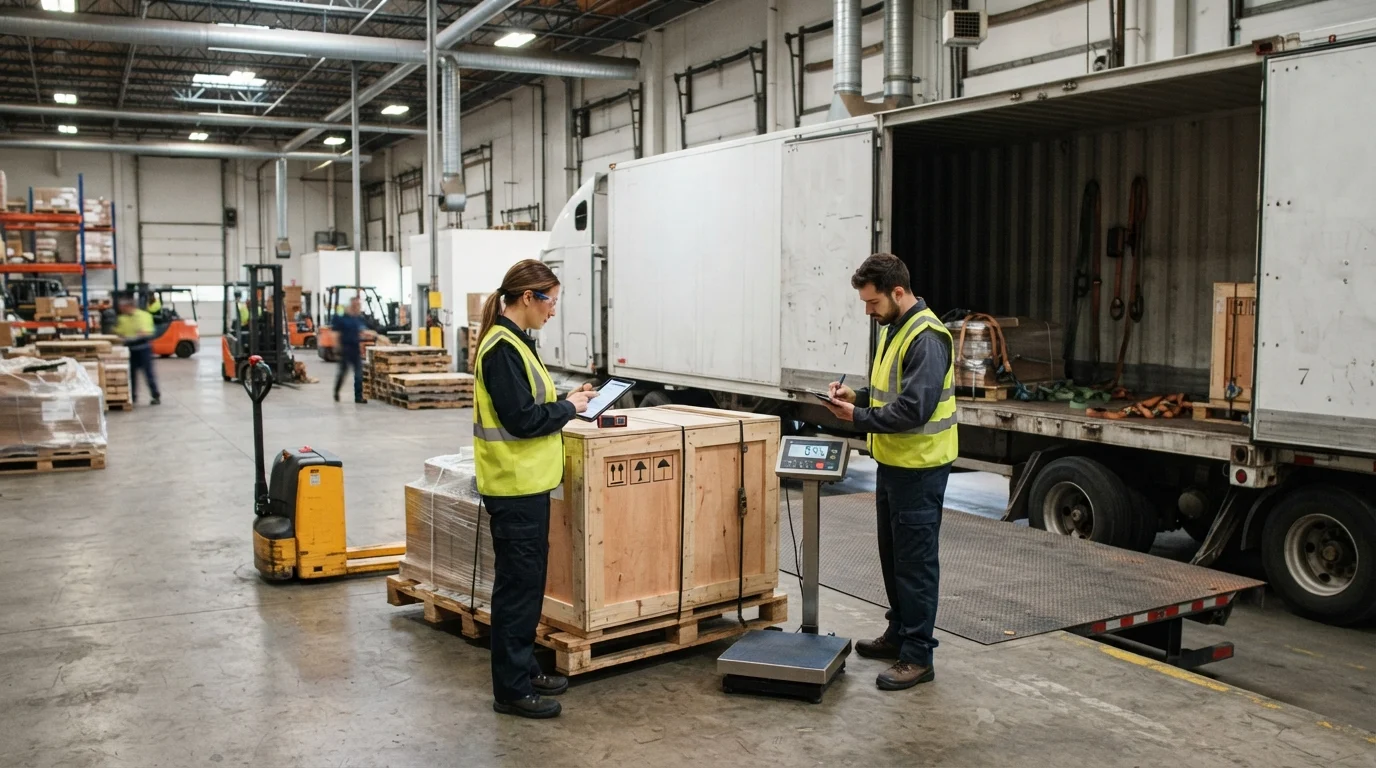
Load security in FTL Transportation is ensured in a more controlled manner, as the entire vehicle belongs to a single sender. Using the correct fastening equipment is the essential step in the installation process. Pallet layout, weight distribution and balance planning reduce the risk of damage. In addition, appropriate packaging is required depending on the nature of the load. Additional protection measures are applied to delicate or breakable products. For products that require a cold chain, temperature-controlled vehicles are used. Sealing vehicle doors and not opening them throughout shipment increases security. These methods play an important role in maintaining load integrity.
During transportation, vehicle location can be monitored instantly thanks to GPS tracking systems. Thus, off-route movements are taken under control. Additionally, driver experience and operational discipline are important parts of safety. Regularly maintained vehicles minimize technical risks. Security procedures are applied even more strictly in international transportation. Insurance policies provide additional assurance against possible risks. Transporting the load in a single vehicle eliminates the risk of contact with different loads. This makes the FTL model advantageous in terms of security.
For Which Freight Types Is FTL Transportation Ideal?
FTL Transport is the ideal solution for high volume and heavy loads. Palletized products, production batches and bulk shipments are especially suitable for this model. Sending goods coming off the production line of a single factory directly to the distribution center becomes easier with FTL. In addition, it is an important advantage that there is no contact with different shipments for sensitive and valuable cargo. FTL is frequently preferred in cold chain products, medicine and food shipments. Likewise, separate vehicle allocation is necessary for safety in dangerous goods transportation. Large-scale retail chains use this model for their regular shipments. The operation proceeds more efficiently when the amount of load is high.
In addition, special loads within the scope of project transportation are also suitable for FTL. Machinery, equipment and industrial parts are often shipped in a single vehicle. FTL is preferred for land transportation before container filling for export shipments. Making the trip to a single point shortens the delivery time. Additionally, it is important for quality control that the cargo does not mix with other shipments. FTL is a reliable model for companies that want continuity and planning in their logistics operations. It is an ideal transportation method, especially for businesses that make regular and high-volume shipments.