What Does Green Logistics Mean?
Green Logistics, as one of the most important concepts of modern logistics, refers to the integration of environmentally friendly practices into logistics processes. Traditional logistics activities create a serious burden on nature due to reasons such as intense use of fossil fuels, high carbon emissions, excessive energy consumption and failure to manage waste correctly. Therefore, today, both government policies and consumer expectations force companies to develop sustainable solutions. Green logistics has turned into a business model that minimizes environmental impacts while increasing the brand value of companies and providing cost advantages in the long term.
Global warming, climate change and rapid depletion of natural resources have brought environmental awareness to the forefront in the business world. Adopting environmentally friendly practices, especially in energy-intensive sectors such as logistics, plays a critical role not only in terms of social responsibility but also in terms of economic sustainability. Now, the main goal has become not only to transport products, but also to manage this process with minimum energy consumption and carbon emissions. In this context, green transformation in the logistics sector is seen as one of the biggest investments of the future.
What Applications Does Green Logistics Cover?
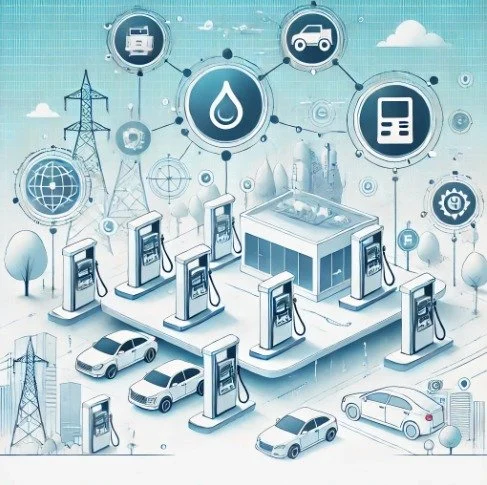
Green logistics includes not only transportation; It has a wide application area covering all processes such as storage, packaging, inventory management and recycling. The most important of these applications is the use of electric and hybrid vehicles. Choosing electric vehicles instead of traditional diesel trucks provides a significant reduction in carbon emissions. Likewise, using route optimization systems to reduce fuel consumption is also an environmentally friendly solution. In this way, delivery times are shortened and the environmental burden caused by fossil fuel consumption is reduced.
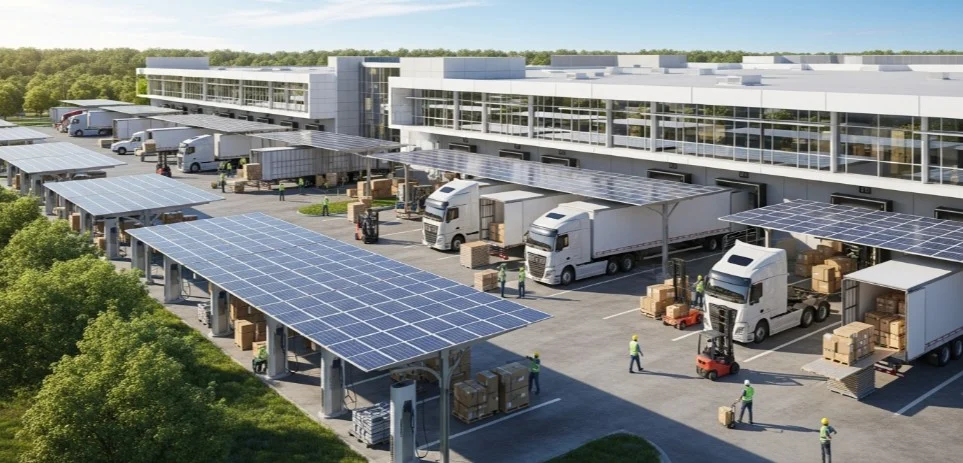
In warehouse management, energy efficient technologies come to the fore. Generating electricity with solar panels, preventing unnecessary energy consumption with smart lighting systems, and minimizing manpower with automation solutions are frequently used methods within the scope of green logistics. In addition, choosing packaging materials from recyclable or biodegradable products and making waste management more conscious are also part of this understanding.
Another application that has come to the fore in recent years is intermodal transportation. Choosing more environmentally friendly options such as maritime and railway instead of transporting cargo only by road significantly reduces carbon emissions. This approach both increases energy efficiency and offers cost advantages to companies in the long term. Especially in Europe, many companies protect the environment and make the logistics chain more sustainable by transporting their products by train or sea instead of road.
How Does Green Logistics Play a Role in Reducing Carbon Emissions?
Carbon emission is one of the main causes of environmental problems worldwide, and the logistics sector accounts for a significant share of this emission. In particular, truck and truck transportation releases a significant amount of carbon dioxide into the atmosphere due to intense fossil fuel consumption. Green logistics aims to change this negative picture. Using alternative fuels, creating energy-efficient vehicle fleets, and adopting environmentally friendly technologies in transportation are among the most effective methods in reducing carbon emissions.
Electric trucks, hydrogen-powered vehicles and biofuels stand out among the solutions developed to reduce carbon emissions. With the spread of such vehicles, the use of cleaner energy in the logistics sector becomes possible. In addition, digital solutions developed for route optimization and fleet management play a critical role in reducing carbon emissions. Thanks to advanced logistics software, vehicles are prevented from traveling unnecessary distances, fuel consumption is minimized and the environmental burden is greatly reduced.
In addition, choosing intermodal transportation is one of the most effective strategies to reduce carbon emissions. For example, transporting a load by sea instead of road can reduce emissions by approximately 70%. Rail transport similarly provides lower energy consumption and less environmental impact. For this reason, many countries are increasing their investments in sea and railway transportation within the scope of green logistics.
Which Methods Are Used for Sustainable Transportation?
Sustainable transportation plays a key role in the future of the logistics industry. This concept was developed not only to reduce costs but also to minimize environmental impacts. One of the most important methods is artificial intelligence-supported route planning. These systems determine the shortest and most efficient routes by analyzing traffic density and weather conditions. Thus, while delivery times are shortened, fuel consumption is also significantly reduced.
The technologies used in warehouses are also a part of sustainable transportation. Generating energy with solar panels, reducing electricity consumption with LED lighting and preventing unnecessary energy use with smart automation systems provide environmental benefits and also offer cost advantages to companies. Changes to packaging materials are also a critical part of this process. Using recyclable materials instead of cardboard boxes or choosing biodegradable packaging makes waste management more conscious.
In addition, consumers have a great role in sustainable transportation. Today, many consumers prefer environmentally friendly brands, forcing companies to take steps in this direction. Companies that adopt green logistics practices not only contribute to the environment but also increase customer loyalty. This shows that green logistics has great economic value.