What Does Reverse Logistics Mean?
Reverse logistics is a concept that operates opposite to traditional logistics processes and expresses the movement of products from the end consumer to the manufacturer. Returning products, collecting them for recycling, reusing them or repairing them and putting them back on the market are the basic components of this process. It has great strategic importance, especially in terms of being compatible with environmental sustainability targets, reducing companies' carbon footprint and increasing resource efficiency.
Today, with the increasing e-commerce volume, the scope of reverse logistics has also expanded. In online shopping, where return rates are high, meeting customers' demands for easy and fast returns has become a critical element that determines the competitive advantage of businesses. Additionally, reverse logistics is not limited to product returns only; It also includes many applications such as recycling packaging waste, collecting products under warranty and disposing of electronic waste in an environmentally friendly way.
Which Processes Does Reverse Logistics Cover?
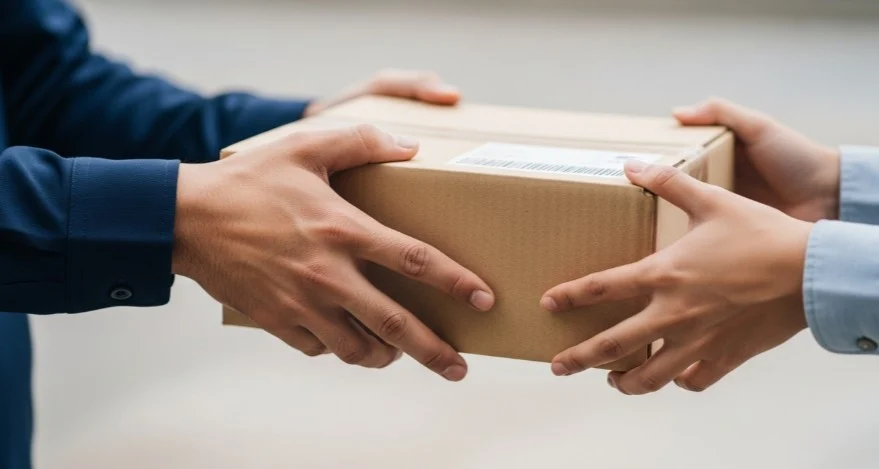
The reverse logistics process includes every stage of the journey of products from consumer to manufacturer. First of all, customer returns include the collection of products that are damaged or do not meet expectations. However, delivering products recalled under warranty to the manufacturer is also an important part of the process. After the products are collected, sorting, quality control, repair, repackaging or recycling are carried out. Thus, the product is either reintroduced to the market or converted into raw material and introduced into the production cycle.
In addition, the recovery of packaging materials used in the logistics chain is an important dimension of reverse logistics. In particular, costs are reduced by reusing pallets, crates, plastic containers or cargo boxes. In addition, electronic waste, textile products or spoiled goods in the food industry are also included in this process and disposed of without harming the environment. This comprehensive structure both optimizes the costs of businesses and contributes to sustainability goals.
The Importance of Reverse Logistics
One of the most important contributions of reverse logistics is that it provides cost advantages for businesses. Reprocessing, repairing or recycling products significantly reduces raw material costs. At the same time, fast and smooth management of return processes increases customer satisfaction and directly contributes to brand loyalty. The modern consumer evaluates not only the product but also the environmental and social sensitivity of the brand he buys; Therefore, reverse logistics also plays a critical role in terms of brand image.
The environmental dimension is also one of the factors that strengthens the importance of reverse logistics. Reducing waste, using resources efficiently and minimizing carbon emissions enables businesses to both comply with regulations and fulfill their social responsibilities. Additionally, with the rise of the circular economy model, reverse logistics has become one of the basic building blocks for companies to achieve sustainable growth in the long term. Therefore, it is seen not only as a logistic process but also as a strategic management tool.
Reverse Logistics Examples
One of the most well-known examples of reverse logistics is product return processes in the e-commerce sector. For example, customers sending clothes they do not like back to the store or warehouse via courier companies is considered in this context. In the electronics industry, sending devices that fail within the warranty period to the manufacturer and delivering them back to the customer after repair is a common practice of reverse logistics. Additionally, the recovery and reuse of packaging materials provides both cost and environmental benefits.
Apart from this, in the automotive industry, collecting and reprocessing old vehicle parts or directing batteries to recycling facilities without harming the environment are among the strong examples of reverse logistics. In the food industry, the collection of products whose expiration date is approaching from markets and their use for different purposes is included in the process. These examples reveal that reverse logistics is of great importance not only in terms of business efficiency, but also in terms of environmental sustainability and social benefit.